
Taming the Trapezius

The trapezius is one of the most influential, yet poorly understood muscles in the body. It connects the skull to the spine, arms, and hips while helping with respiration and movement of the cranial bones. Because of the laundry list of functions, dysfunction of the trapezius can be quite troublesome. At best it can manifest as tightness and discomfort in the neck and shoulders. At its worst it can contribute to pain and worsen neurological issues.
Despite this, the best advice you will probably find on the internet is a bunch of stretches that may mute your symptoms for a short while only for them to come back again. This is the unfortunate reality for most myofascial problems, the solutions that are most commonly offered at usually worthless.
In order to fix a muscle it helps to understand a little about it first. Having a little appreciation and perspective for why it might be doing what it does can bring more light to what it takes to fix it. It can make the reasoning make more sense. For the trapezius, fixing chronic pain or tightness will not be solved with one simple exercise or stretch. It normally requires an overhaul of how you’re breathing, moving, and even just existing because of its connections to the autonomic and enteric nervous systems.
With this in mind the notion of just doing a cute little stretch to permanently fix a problem you’ve had for years will be nothing short of insanity.
History & Anatomy
The human trapezius is an evolved version of the cucullaris muscle in fish. The cucullaris elevates the gill flaps, flushing water over them and allowing the fish to breathe. In humans this muscle eventually split in two: the sternocleidomastoid and the trapezius.


Ancestral Breathing

Respiration, the procurement of oxygen for cellular metabolism, is a requirement for all vertebrates. The first of these used gills, specialized fan-like organs filled with blood vessels for gas exchange. As vertebrates moved onto land, and gills became lungs, much of the anatomy behind this process changed. However, given that terrestrial vertebrates a…
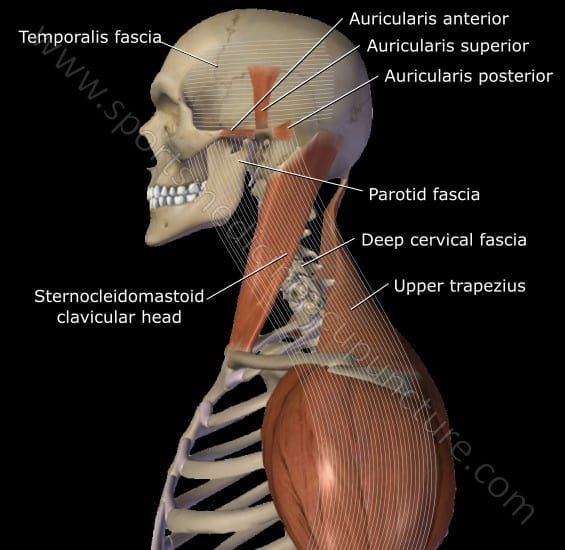
These two muscles possess different attachments and slightly altered roles but both are innervated by the accessory nerve and share fascial connections with one another. They still share a close relationship and are often dysfunctional at the same time. In this article, much of what applies to the trapezius also applies to the sternocleidomastoid as well. It’s likely that if someone is dealing with problems in one of these muscles they are also dealing with issues in the other.
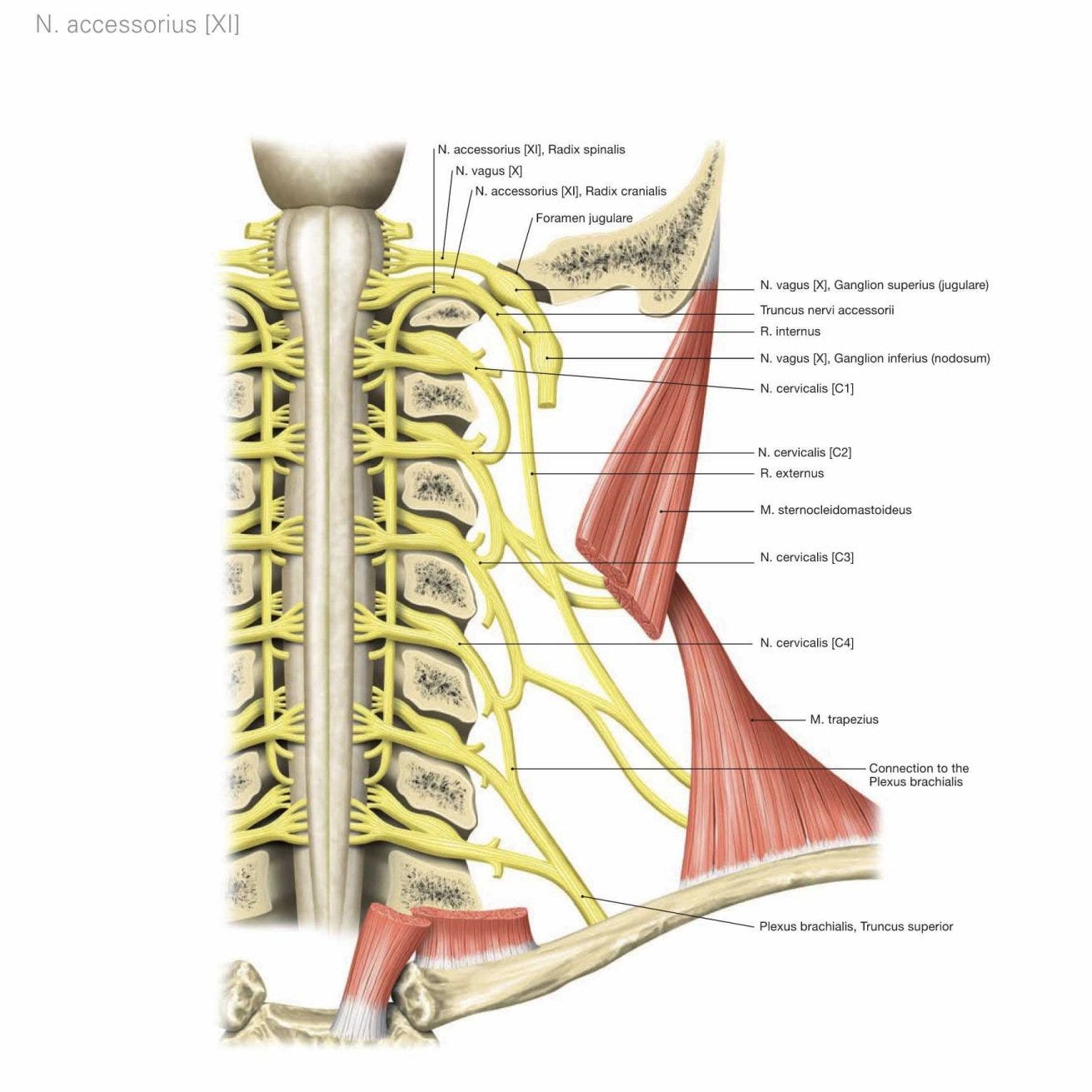
The trapezius is unique in that it is one of the only large skeletal muscles —other than the SCM— to be innervated by a cranial nerve (CN XI). This wouldn’t be the case unless control was of major importance to the organism. The brain wants to be as close and connected to the traps as possible and does so via the accessory nerve. The accessory nerve is intertwined with the vagus nerve and innervates muscles of the pharynx and larynx, suggesting a relationship that goes far beyond “just” controlling a skeletal muscle.
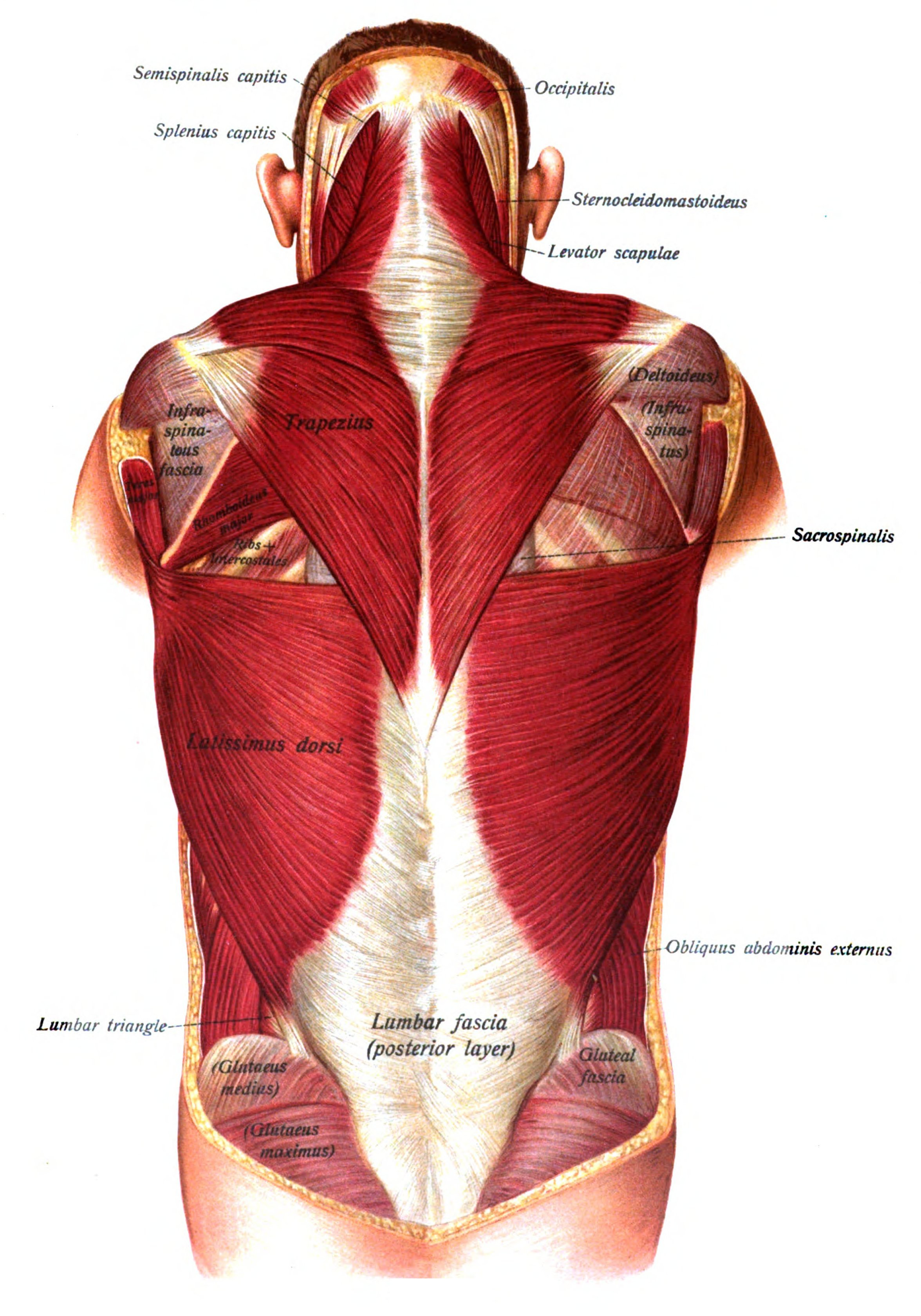
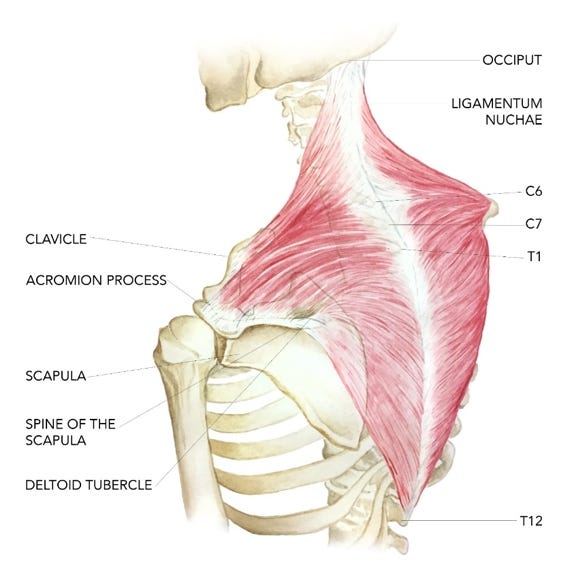
The trapezius muscle originates from the middle of the skull and spine, attaching to the spinous processes of the vertebrae from the neck all the way down to the final thoracic vertebrae (T12). In the cervical region it attaches to the nuchal ligament and the superior nuchal line on the occiput. From here its fibers fan out and insert onto the spine of the scapula and the lateral third clavicle. Lower portions of the muscle also insert into the thoracolumbar fascia.
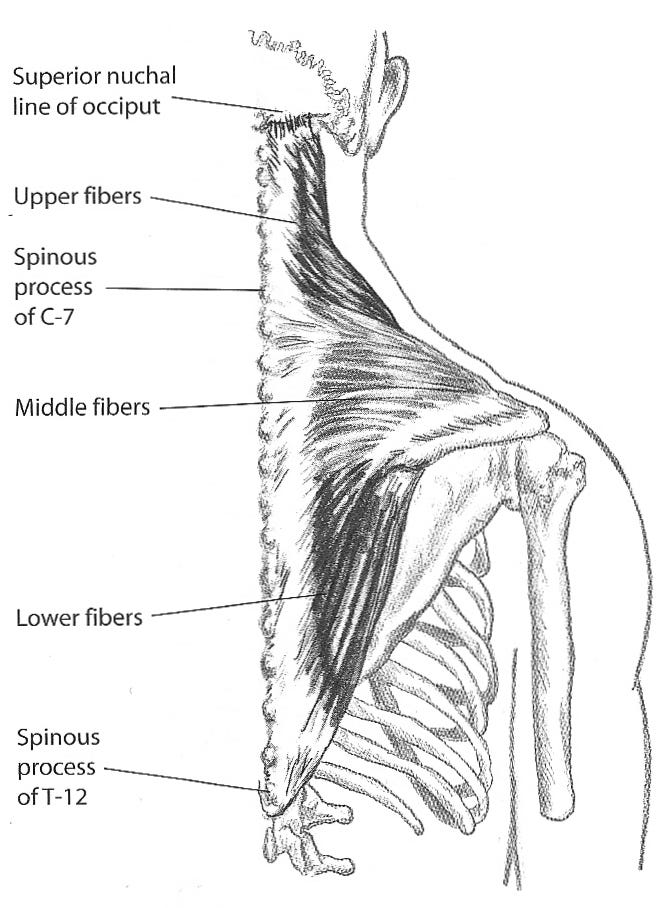
So the trapezius spans from the base of the skull out to the shoulders and all the way down to the lumbar spine. To call the traps a “neck muscle” is only taking into account a fraction of what it does. This also means that when something goes wrong with your traps you may need to look further than just your neck as even your hips could be influencing the matter.
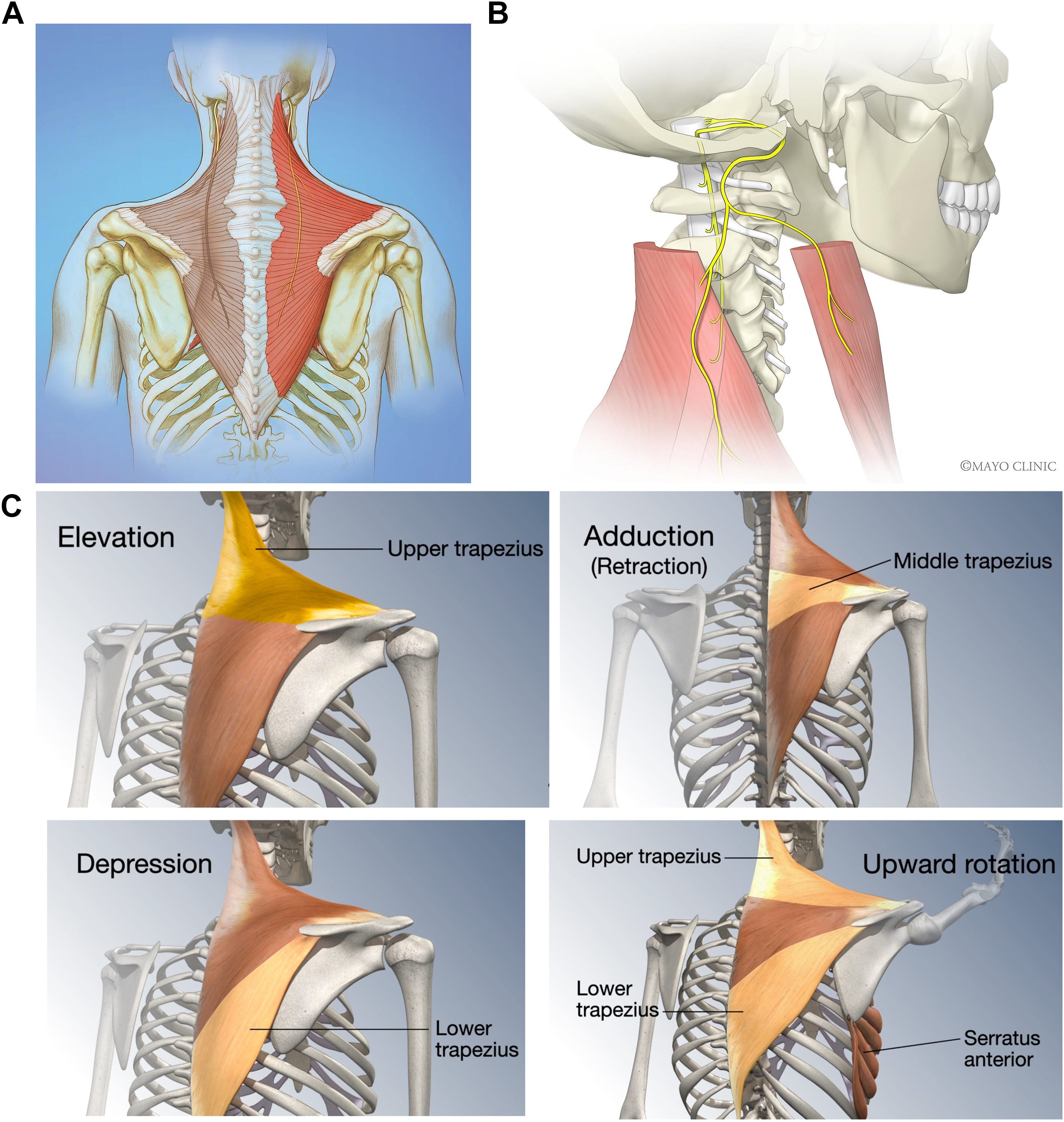
Actions of the trapezius include:
Upper fibers: Elevation of scapula, extension/rotation of head
Middle fibers: Elevation/upward rotation/retraction of scapula
Lower fibers: Depression/retractation/upward rotation of scapula
This highlights a multifaceted muscle but leaves out many intricacies. If your understanding of a muscle comes from just its designated textbook “functions” then you will likely miss a number of important details.
Other Physiological Roles
The first job of the human trapezius is to lift the clavicles, rib cage, and scapulae in conjunction with the SCM. This allows for maximal expansion of the lungs as the diaphragm pulls downward. Yes there will be people who are thinking: “But you’re only supposed to breathe with your diaphragm, those are accessory breathing muscles!!!” Breathing is a full body action that requires the lungs to expand in three dimensions. The diaphragm can only expand the lungs downward, which is great but the lungs also need to expand upwards as well.
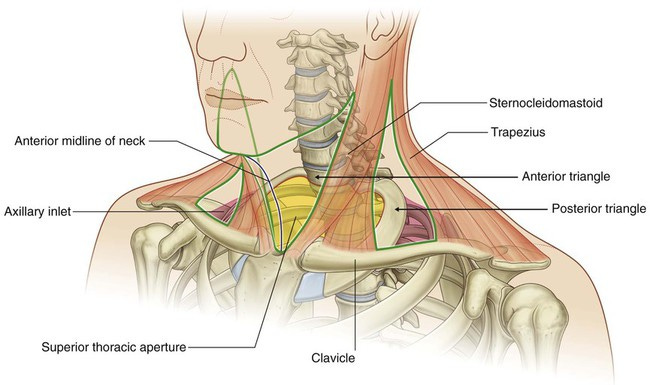
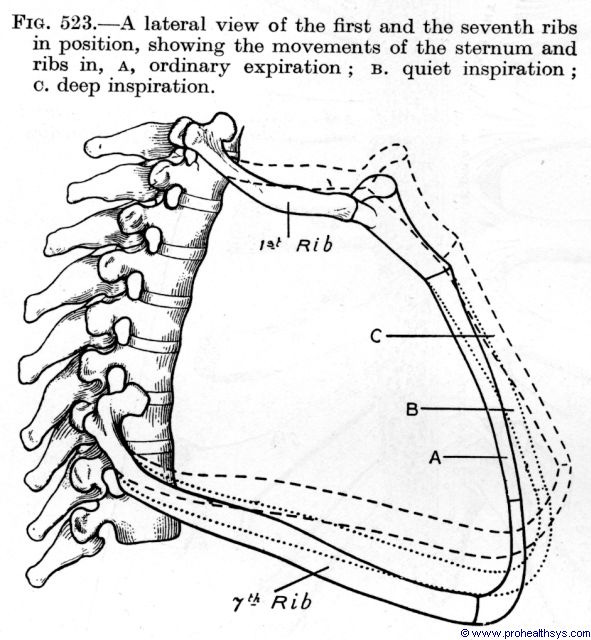
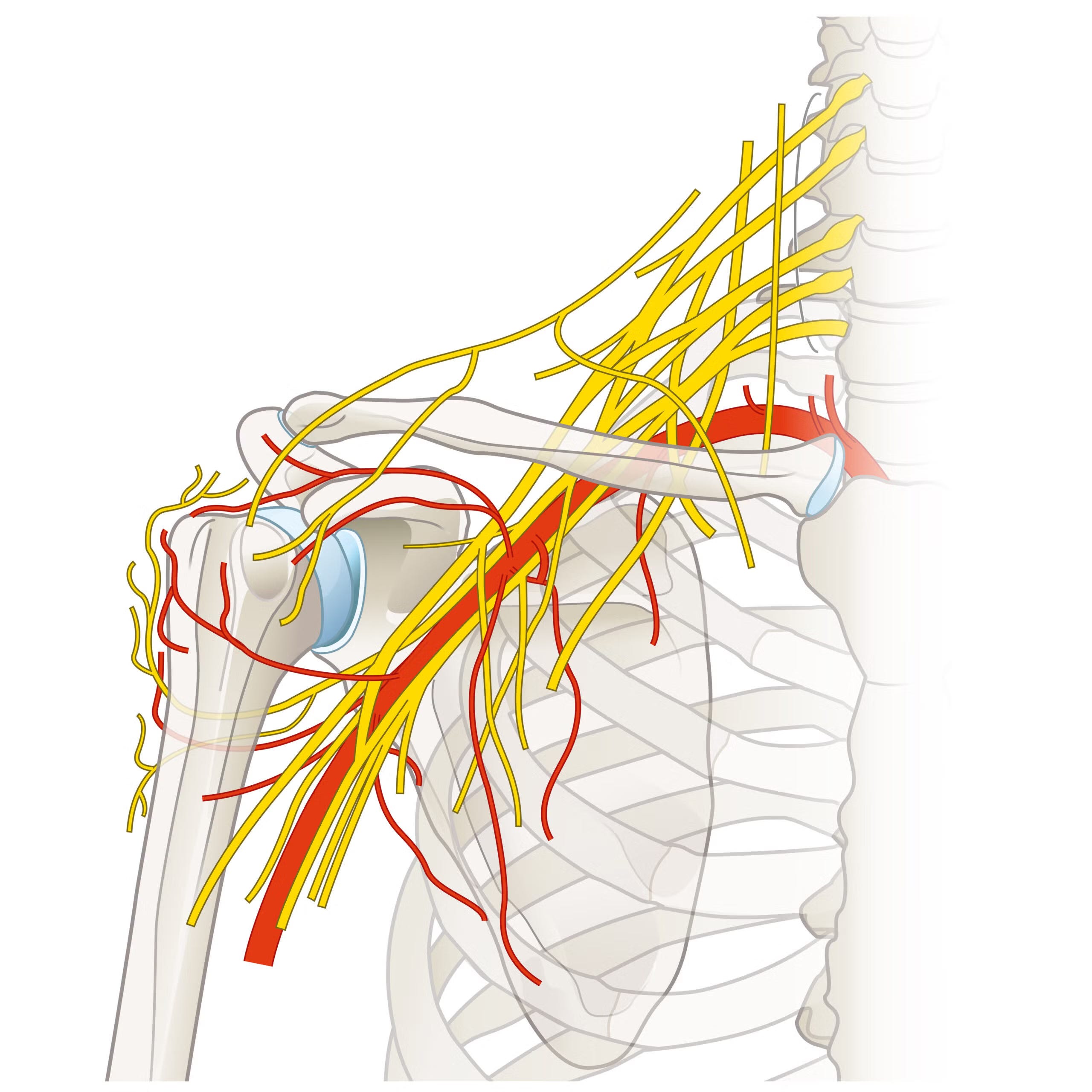
This upward pull on the clavicles and scapulae also help to retain space for the brachial plexus as well as the vasculature to the arms. When this space disappears the nerves and blood vessels can become compressed, leading to what is known as “thoracic outlet syndrome” (TOS). TOS can occur to varying degrees, from a mild annoyance to debilitating. It usually is present alongside TMD, neck pain, and autonomic issues.
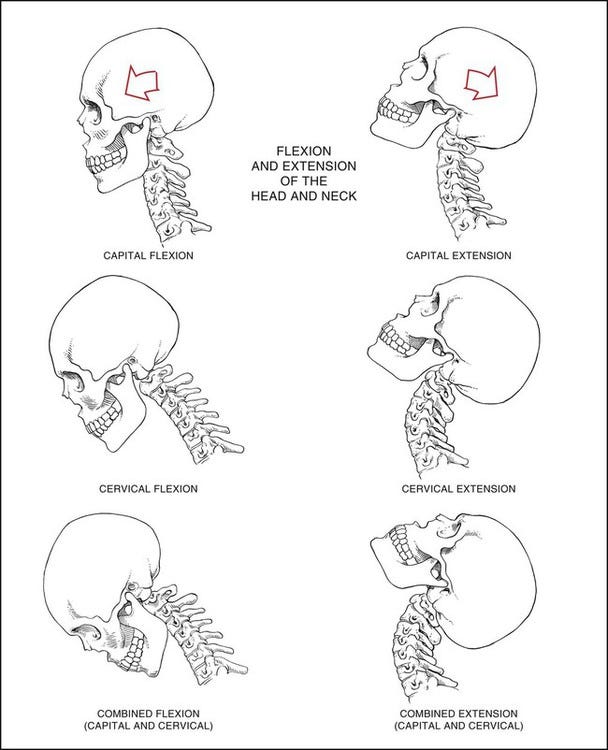
The trapezius exerts force on the occiput, pulling it into extension —looking upward toward the sky. This isn’t necessarily a primary function because of the orientation of the muscle fibers, but it does occur in conjunction with the SCM.
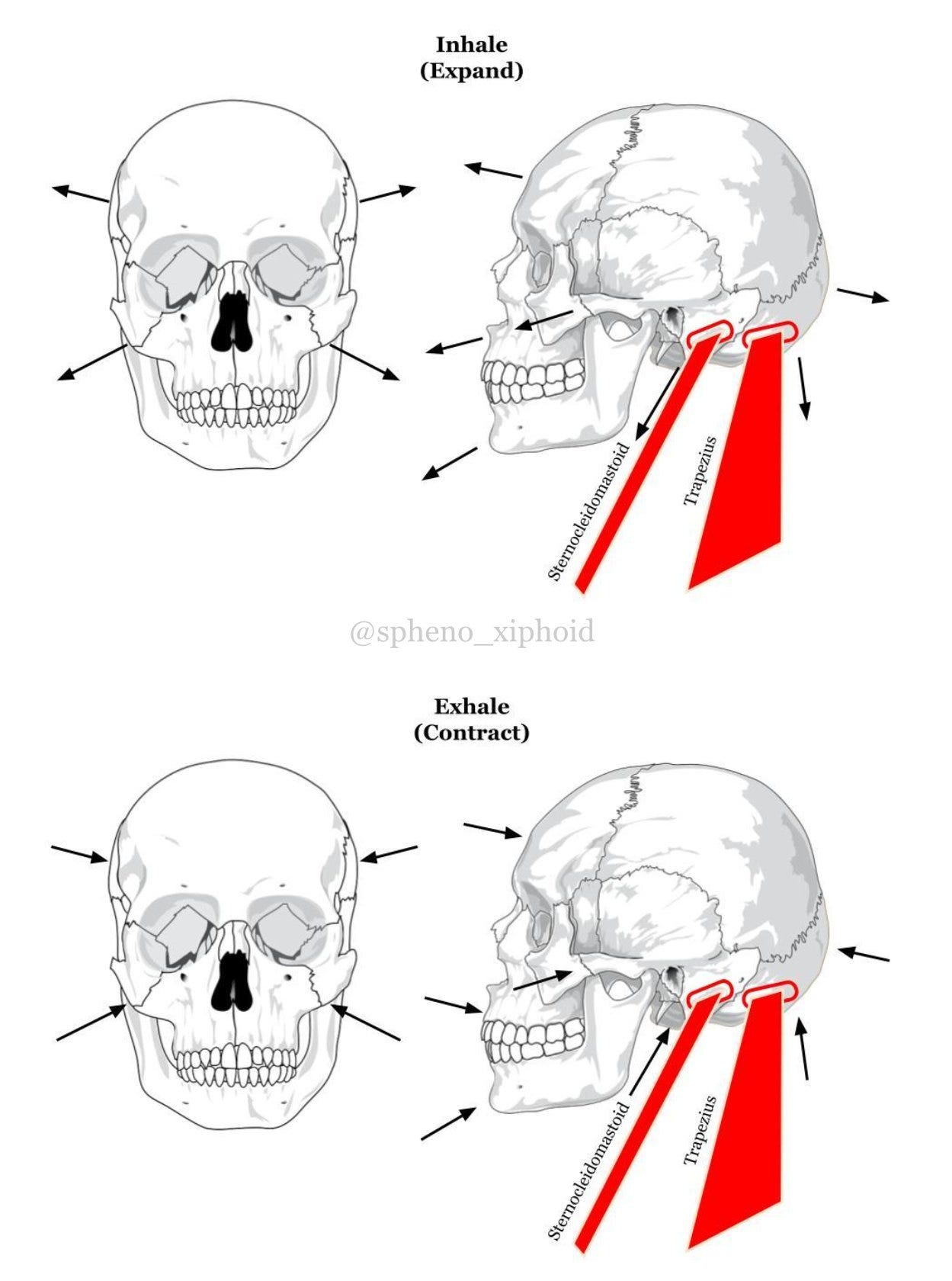
The origination from the occiput allows the trapezius to assist in “opening” the skull and allowing the flow of CSF into the brain during craniosacral rhythm. Again it works with the SCMs as they pull on the temporal bones simultaneously. This makes the trapezius a major mover in the eventual shape of the face and skull. I have some more articles on the matter that I will link below.
The Craniosacral System

The brain and spinal cord float in a clear liquid known as cerebrospinal fluid (CSF). This fluid helps to protect, nourish, and remove waste from the vital tissue. Thought as the medium for consciousness, the state of the CSF will determine that of the entire organism.
How to Unlock Your Skull

Your brain, along with other vital organs like your eyes, are protected by a bony shell that you know as your face and skull. These bones are not fixed and move (slightly) every time you breathe. This cyclic movement of the cranium and face are what allow your brain to breathe, pumping cerebrospinal fluid throughout the meninges and supplying the energy hungry brain with the nutrients it needs.
A Unified Theory of The Face

I think it’s about time someone put together a unified theory of the face, skull, and what eventually determines their shape. Trends like “Mewing” have tried to do so and have done a lot of good in the process. It’s opened people’s minds to the reality that the shape of their face is not entirely due to some omnipotent force like “genetics” but from various inputs into
The trapezius is involved in stabilizing the head and neck as the jaw and/or tongue move. It plays a part in swallowing and helps infants suckle from the teat. In adults it is still active though more subtly. You can feel this yourself if you stick your tongue out, your traps and other neck muscles should respond.


This connection is further strengthened by the accessory nerve’s innervation of the pharynx and larynx. The trapezius is then going to affect functions like swallowing, speaking, tongue movements, and even breathing via patency of the upper airway.


The trapezius is also a major stabilizer of the head and upper limbs. It attaches to the occiput, claviculae, scapulae, and down into the thoracolumbar fascia. It essentially binds the skull, spine, shoulders, and hips together. Nearly all movement is mediated by the traps in some manner.
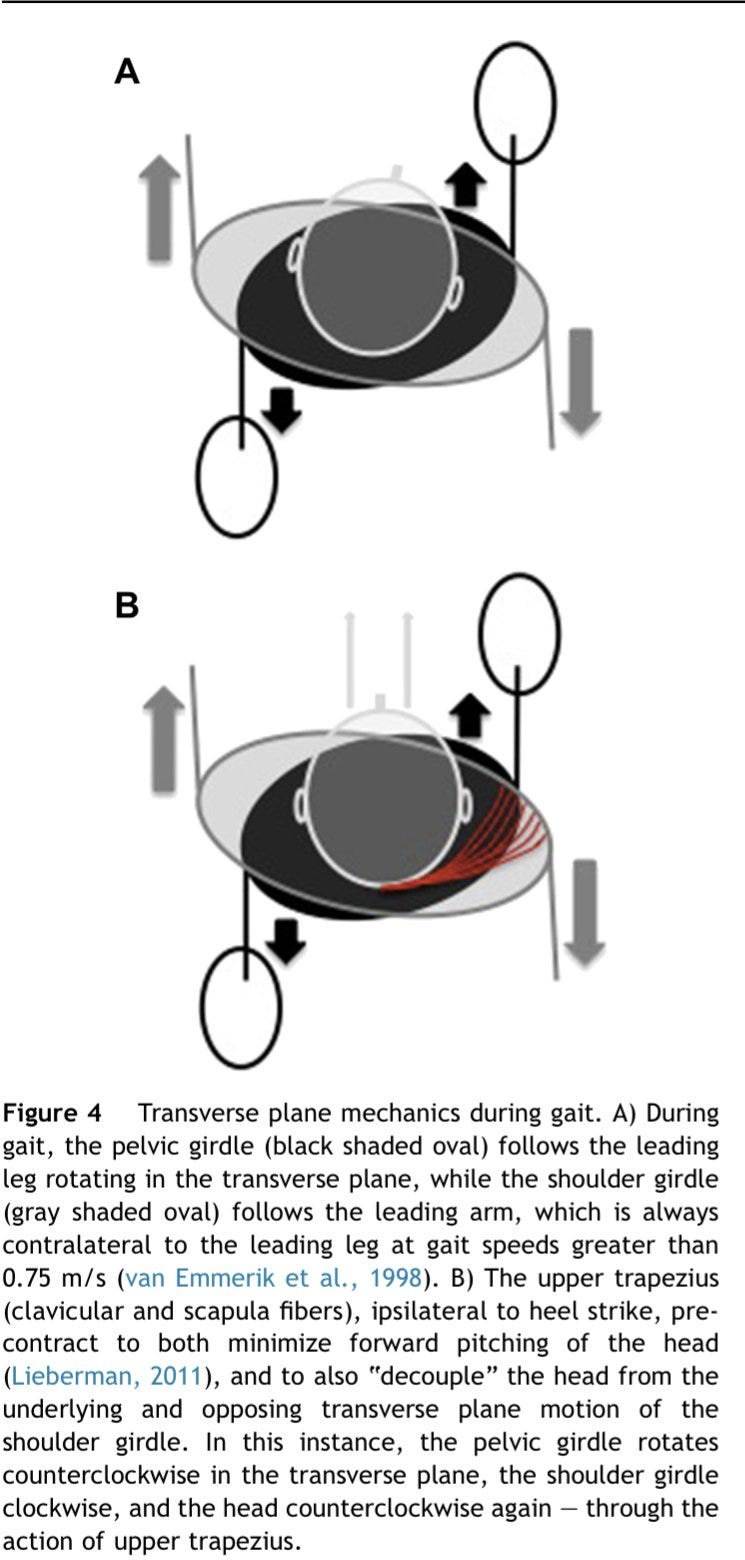
Most importantly, the trapezius activates as the arm swings forward during gait --on the same side as the glute driving the leg backward. This is crucial to the action of the spinal engine as well as the myofascial slings that drive movement. If you have tight/dysfunctional traps you may notice that your arms are stiff and awkward during gait-based movements.
The Spinal Engine

Vertebrates are defined by their spine, a centralized column of nerve and connective tissue encased within segmented bones. While the first vertebrates lacked bones, they still possessed a “notochord” of similar function. This not only served as a central highway of the nervous system but also as an attachment for muscles and connective tissue.

An important aspect of this stabilization is the synchronization of the entire shoulder complex: the humerus, clavicle, and scapula. These bones must move in harmony with one another as well as the ribcage.
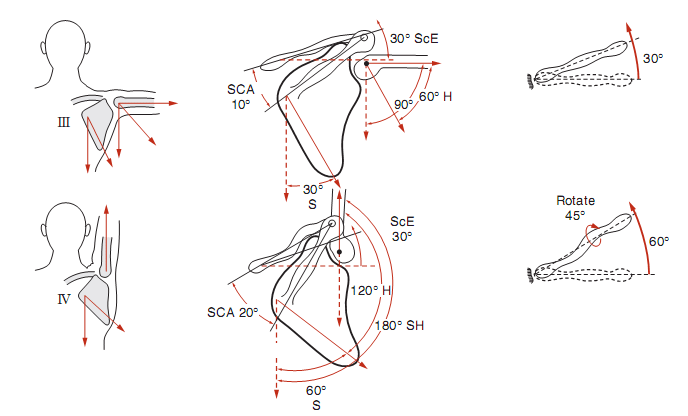
This sounds simple but the ribs are constantly articulating with the spine during any sort of movement, including respiration. The shoulder as a whole must also dance continuously as the three bones are always moving in synchronized fashion.
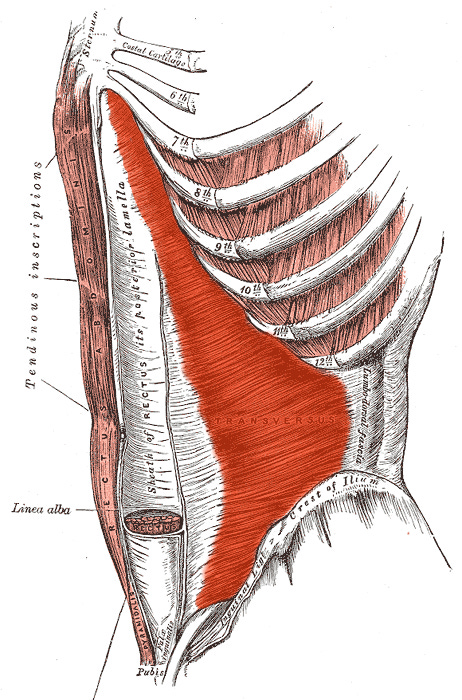
The traps can be thought of as the “core” of the upper body, stabilizing —yet permitting— movement. It even possesses a similar (trapezoid) shape and muscle fiber arrangement (transverse) to the transversus abdominis muscle. These are somewhat of a coincidence but do highlight how these muscles share similarities in their function.
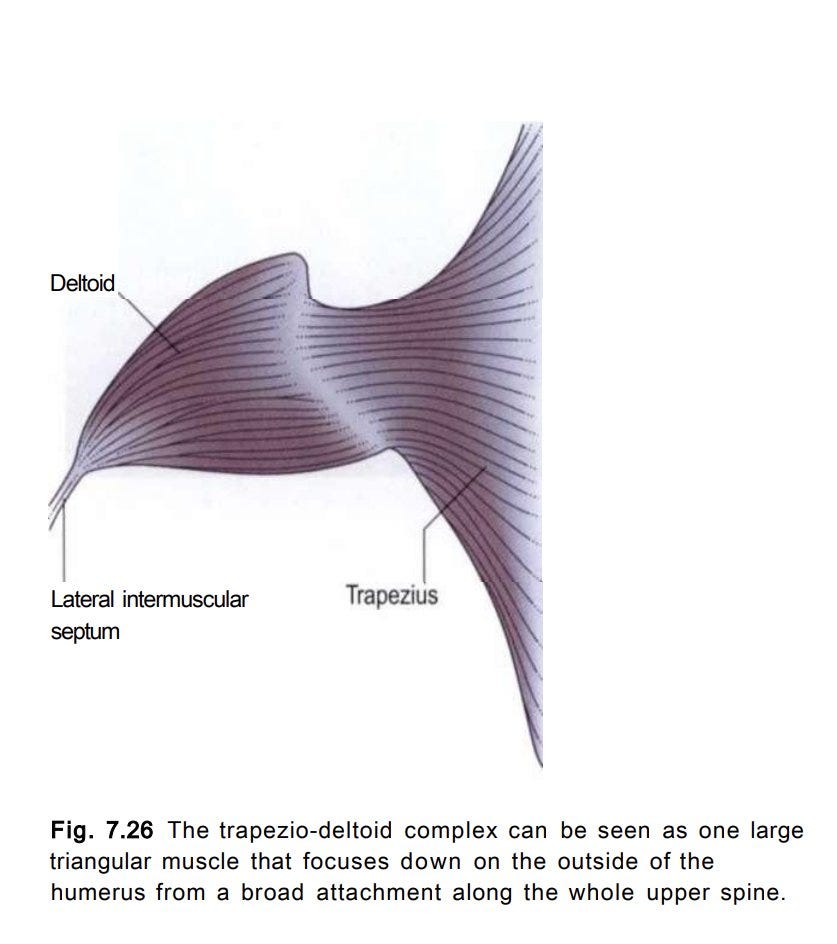
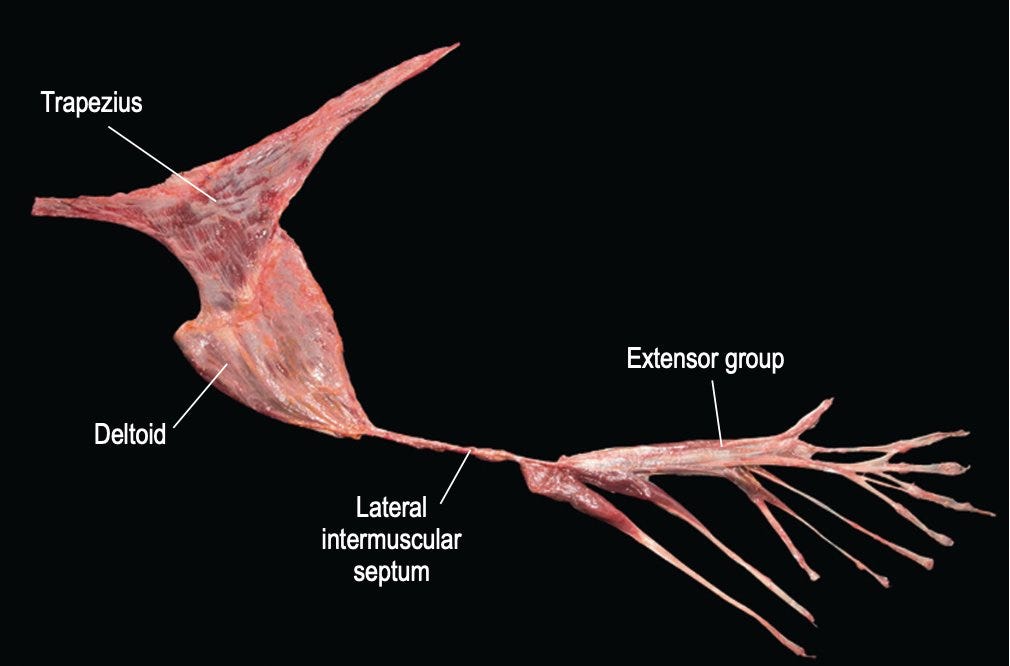
Going further into its role in stabilizing the arm, the deltoid muscles can be considered extensions of the trapezius. The deltoids originate at the clavicle and scapula and attach onto the humerus, generating movement of the upper arm in multiple directions. Combined with the trapezius, the deltoid helps link the upper arm, shoulder, neck, skull, and hips together.
These muscles also grow the most in response to anabolic agents, as overly developed traps and delts are usually a tell whether or not someone is utilizing performance enhancers. This is also a clue as to their place in the muscular hierarchy, for there must be a good reason why they explode in size with anabolics. Yes the common explanation is the higher densities of androgen receptors, which make them more sensitive to androgens and eventually hypertrophy (growth).
Ok then why do they have higher densities or more sensitive androgen receptors? Perhaps the traps are so important that they must grow prior to other muscles, a prerequisite for overall strength and function. Recalling that the traps help to stabilize the arms as they swing during gait then larger arms require larger traps. Add in the attachments to the thoracolumbar fascia and larger traps would be required to synchronize to the movement of both stronger arms and legs together.
Because of the immense scope of these roles, the trapezius is implicated in a number of conditions and dysfunctions. Sometimes it can become tight and problematic for the sake of the skull, protecting it from hypermobility and damage to sensitive tissues (nerves, blood vessels) found in the neck.
Headaches
Neck pain
Shoulder/arm pain
Jaw pain/dysfunction (TMD)
Breathing difficulties
Dizziness/vertigo
Much more…
Training, Rehabilitation, & More
Training and/or rehabilitating the trapezius should utilize various exercises and approaches to reflect the complex anatomy of the muscle. This includes training related muscles like the suboccipitals, SCM, and diaphragm. There also may need to be more global changes to breathing, gait, and posture given the wide spanning nature of the trapezius’ influence. Rarely will just one exercise do the trick.
Stress
Due to its connection to the autonomic nervous system the trapezius muscle can respond to multiple forms of stress. This can be metabolic, psychological, enteric, physical, etcetera. Any stress can cause a subconscious reaction that increases the tone in the muscles of the neck. You may notice this yourself when dealing with whatever stress life has to offer, even without a history of neck issues your neck will probably be more tense than usual.
The Autonomic Nervous System

The nervous system is the master system of the body, controlling and regulating nearly all bodily processes at all points in time. Inputs from the external and internal worlds are taken in and processed, helping to determine the adaptations that need to take place with both the short and long term in mind.
Now think of how chronic stress can drive the traps and other neck muscles to degenerate. If you are living constantly stressed then the muscles will be constantly contracted and unable to relax, limiting the amount of blood that can pumped through them. In time the muscle becomes inflamed, fibrotic, and the rest of the body must compensate.
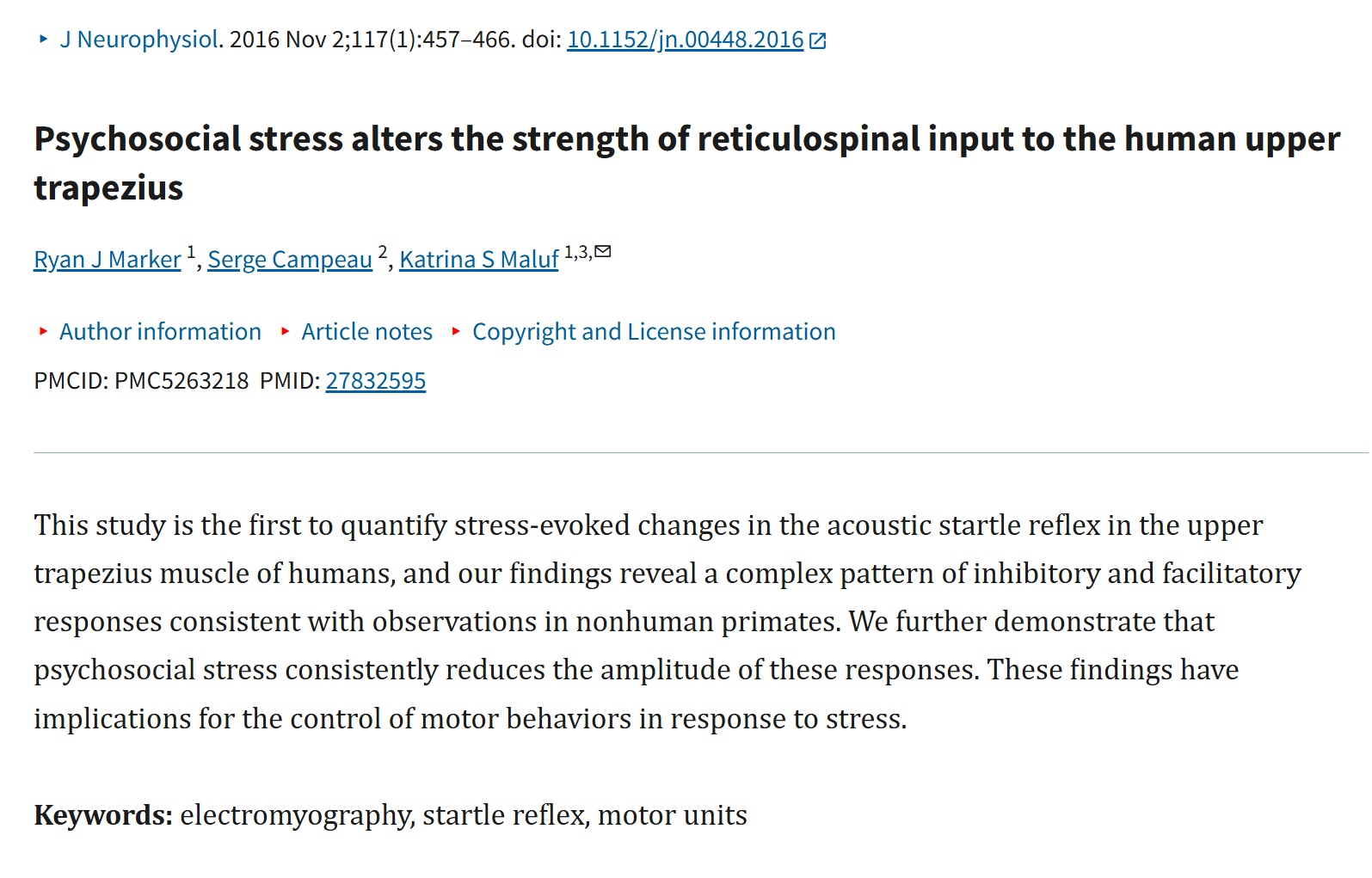
Eliminating this stress, or at least minimizing it significantly should be a priority. Ok I understand that is much easier said than done as life is stressful and the modern environment is almost seemingly designed to make it so you can never relax. If it isn’t the toxic food it’s the circadian disrupting blue light or the nnEMFs. Just about any form of stress can induce a response from the neck muscles.
Enteric stress, stress from the gut, is going to be one of the most common causes of trap issues because it can exist in the background for so long. Few people realize they have gut problems because they’ve had them for their entire lives. These issues also manifest as other things like allergies, body pain, brain fog, anxiety, just about anything you can think of can be traced back to a bothered gut.


While there is no magic cure for gut problems I dive into the subject of the gut more in these articles below. Both can help you figure out the root of your gut problem.
Digestion, Simplified

The term digestion is thrown around a lot in the health world but is never really given any clear explanations as to what it is and how it works. This leaves a lot to the imagination of the individual as well as the so-called “expert” who is then free to fill in the details with whatever best fits his or her world view.
The Gut As A Sensory Organ

The gut is often thought to be a bubbling pit where food is sent down, digested, and excreted out the other end. For many, as soon as the food leaves the confines of the mouth it is forgotten and thought lost to history. This couldn’t be further from the truth as the gut itself is as much of a sensory organ system as it is a digestive one.
Gill Breathing
So understanding the trapezius is a respiratory muscle, not an “accessory”, breathing should be one of the first things to focus on for improving its function. The easiest way to do this is to imagine breathing through your ears or imagining that you have gills on the side of your neck that open up when you inhale. While these are obviously imaginary, the cue can stimulate both the trapezius and sternocleidomastoid muscles.


Yes your diaphragm should be active as well, pulling downward as your neck muscles pull upward on the rib cage. This exercise can actually improve the function of the diaphragm due to its potentially positive effect on the phrenic nerve. If the muscles of the neck are chronically tight then the phrenic nerve can become compressed, potentially impairing the diaphragm’s activity.
This is something that most “breathing gurus” don’t tell you because they haven’t bothered to look into basic anatomy. They’ll go on about belly breathing and trying to convince you not to breathe with your neck without understanding what they’re saying. Sometimes people end up tensing their neck more because they don’t want it to move when they breathe, making their situation worse.
The neck shouldn’t be doing most of the work but it still may need to activate during respiration more than it is currently. Considering you breathe thousands of times per day then this gives you ample opportunity to strengthen your SCM and traps.
Suboccipitals
As major stabilizers of body the trapezius must coordinate its actions with those of other stabilizing systems. Among these are the eyes, vestibular system, tongue, jaw, and suboccipital muscles. The tone of the trapezius is usually subconsciously synchronized with these other systems, meaning that they often need to be resynchronized in some fashion in the case of dysfunction.
How the Eyes Shape Posture

Land-dwelling vertebrates are tasked with simultaneously propelling themselves while supporting against the constant force of gravity. This only became more of a challenge when humans started walking primarily on two legs --combined with the further growth of the cranium. At any given point in time, whether still or in motion, the spine and skull must w…
Normally, if one side of your neck is more tense you will experience similar tension in your jaw, tongue, and even eyes on that same side. This is because all of these other structures will respond to help balance the body. If they are chronically like this then something is telling them to behave this way. No amount of stretching can fix this, only by providing the right stimuli that command the muscles to contract and relax “properly”.
Lateral eye exercises are one of the best ways to train this, as are lateral tongue and jaw movements as well. There may be many reasons why the body is shifted off to one side but performing these exercises can help provide the stimulus needed to recenter oneself.

Gait Exercises
Since the trapezius synchronizes the movement of the head, neck, and shoulder, any form of gait based exercise will be good for the trapezius. This could be something as simple as walking, or short sprints at near maximal intensity. As you go through these movements feel your trapezius help to guide your arms back and forth while keeping your head from bobbing all over the place.
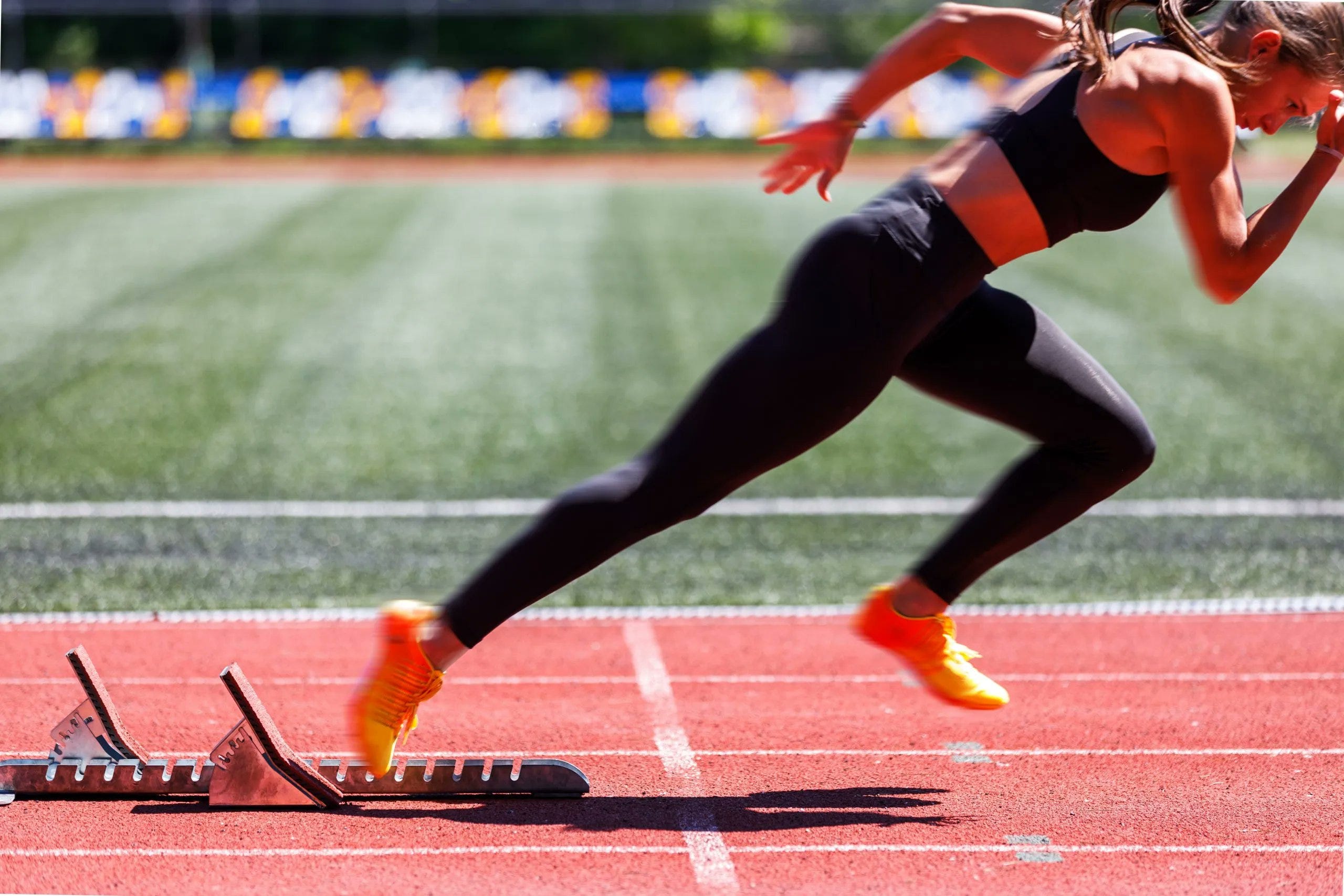
If you notice tension or resistance you can use your conscious awareness to pinpoint the source or to potentially relax as you go through the movement. Obviously this will be easier while walking compared to sprinting, yet taking the time to notice what your traps are doing when performing either can highlight things that may need attention.
Shrug
The shrug is a classic trapezius exercise that focuses on the uppermost fibers of the muscle. Shrugs are rather simple, just hold a weight in your hand(s) and shrug your shoulders up to your ears. However a few things need to be kept in mind:
Shrug the weight straight up, not backward or forward
Do not depress the shoulders too much
Feel the upward rotation of scapulae in conjunction with the elevation
If you are having issues with your traps then you should start with a light and controllable weight at first. Adding too much fatigue to already weak and inflamed muscles can just fan the flames.
Overhead Shrug
Overhead shrugs are another variation of shrug that can connect the trapezius to overhead movements as well as its role in the spinal engine. The overhead shrug demands a little more of the scapula with the arm above the head. Since overhead movements in general end up exposing weak/dysfunctional traps this movement can be a good way to prepare yourself for things like overhead press and pull ups. If overhead movements cause you pain or problems then this movement can be useful.
This can be done standing or on one knee and should focus on elevating and upwardly rotating the scapula as you go through the movement, just like like regular shrugs.
Overhead Raise
The overhead raise is a great exercise that requires strength and coordination throughout the whole of the shoulder complex. This is usually the missing piece for people when it comes to the traps, connecting the movement of the spine, ribs, scapula, clavicle, and humerus together.
You can also do this exercise with a light dumbbell, though the resistance pattern will be a little different. The key is to go slow and feel all the moving parts working in unison.
Lower Trap Exercises
While many people live with chronically tight upper trapezius fibers, the lower fibers of the muscle are often just as weak. Weak lower trapezius fibers can cause the scapula to flare or “wing”. This disrupts the entire shoulder complex and can drive the other fibers of the trapezius along with other neck muscles to compensate.
Most people need to strengthen their lower traps as they are what keep the scapula congruent with the rib cage. Here are a few exercises that can help them:
Sternocleidomastoid Exercises
Yes the SCM is inseparable from the trapezius as they will usually be weak and dysfunctional together. Below are a couple of exercises that can help target the SCM. Like the others, go slow and feel the contraction, trying to relax completely between each repetition.
Antagonist Work
The trapezius exists on one side of the skull and neck, acting primarily as an extensor. However the muscles that work opposite the trapezius can also be dysfunctional at the same time. These include the deep neck flexors, temporalis, and hyoid musculature. Since they oppose the functions of the trapezius, they must also respond should the traps become hypertonic.
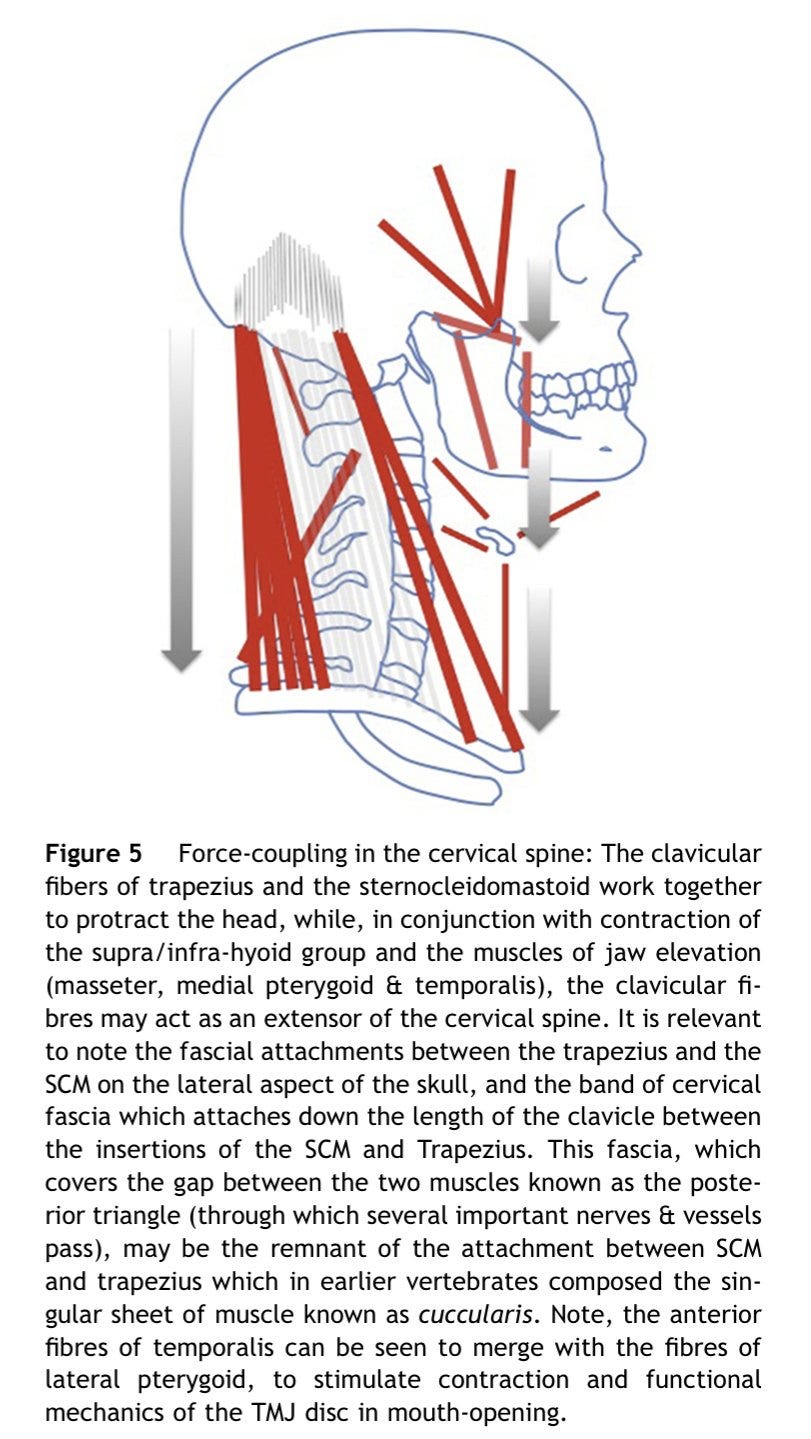
This means if the traps are chronically tight the neck flexors must also contract to keep the head level. Under normal circumstances this is perfectly fine but when one or more of these players become tight, everything else must join in. These other muscles might need to be strengthened.
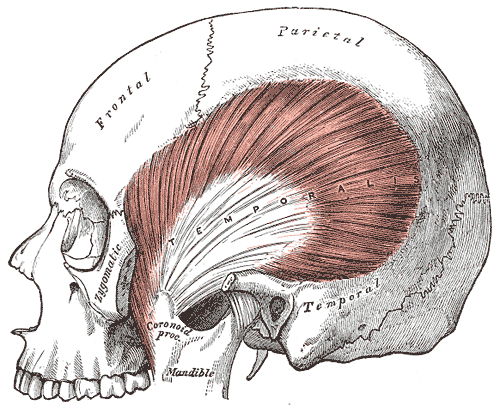
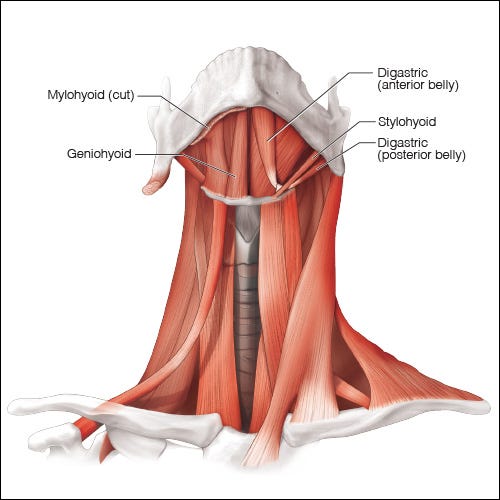
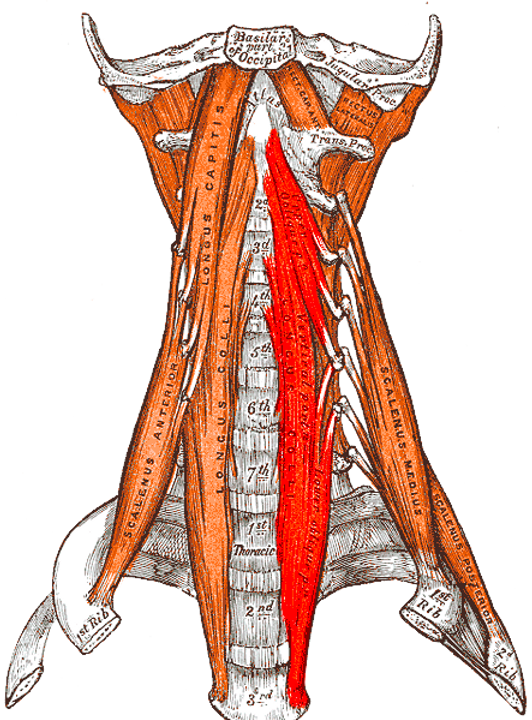
The most important players here include the deep neck flexors (l. colli and l. capitis), the temporalis muscle, and the suprahyoid muscles (digastric, mylohyoid, geniohyoid, stylohyoid). Of these the deep neck flexors will likely need to be strengthened and the temporalis and suprahyoid muscles trained to relax.
If you made it this far you might be a bit overwhelmed. You probably read this to hopefully solve the pain or tension in your neck and were instead giving a dozen different directions to go in. This is the unfortunate reality here as there isn’t going to be a magic exercise or stretch or massage to make your pain disappear. The longer you’ve been dealing with the issue the more likely this is to be true.
However this isn’t a reason to be discouraged. Many of these changes are simple and can be experimented with by yourself. Find the exercises that either feel the best or pique the most symptoms. Stick with these exercises or cues as you start to notice positive changes to your condition. Combine this with seemingly unrelated practices like fixing your gut and eliminating unnecessary stressors in your life.
Your neck is there to protect your most vital structures and will respond accordingly to threats to your well being. See you traps not just as a muscle that needs to be exercised or relaxed but as a part of you reacting to your environment.