
Digestion, Simplified

The term digestion is thrown around a lot in the health world but is never really given any clear explanations as to what it is and how it works. This leaves a lot to the imagination of the individual as well as the so-called “expert” who is then free to fill in the details with whatever best fits his or her world view.
Digestion is the process of taking inorganic and organic molecules, breaking them down into absorbable pieces and then repurposing them for oneself. This could be minerals, vitamins, or macronutrients such as carbohydrates, fat, and protein. The energy, information, and/or structure contained within these nutrients is necessary for life. Digestion is then an essential lifeline.
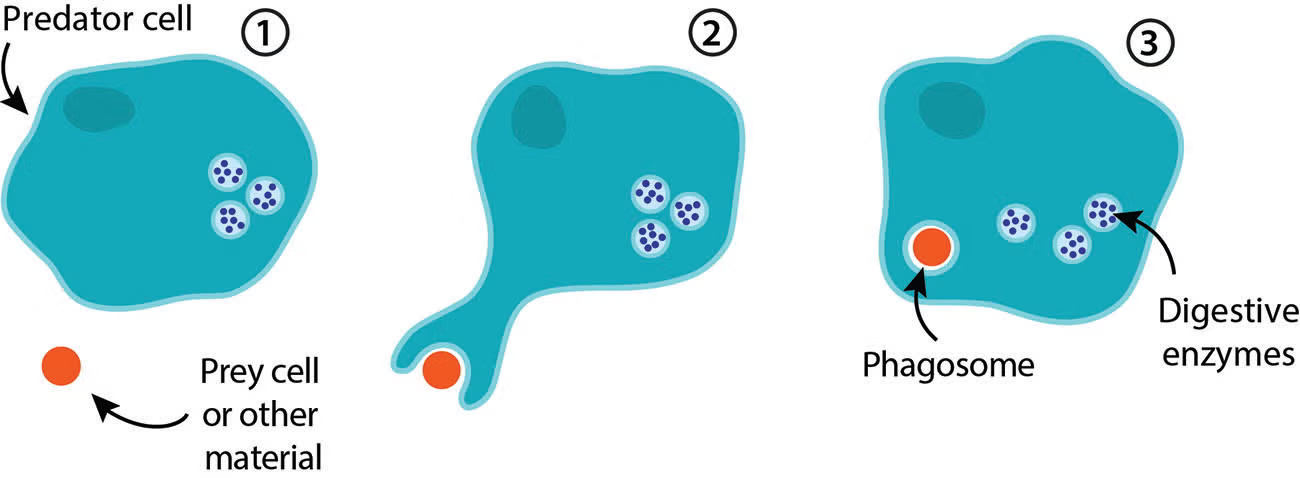
Since the first organisms were enveloping and incorporating inorganic and organic molecules, the quality and efficiency of digestion has been paramount. If an organism was unable to break down and eventually harness the energy and other nutrients within “food”, then it would be unlikely to live very long. Death, or at the very least an incapacitated form of life, would await any being who could not digest well.
Digestion and the digestive tract have been refined and perfected over the course of millennia, however, the basic design is mostly unchanged. At its core the gut is simply an absorbent muscular tube.
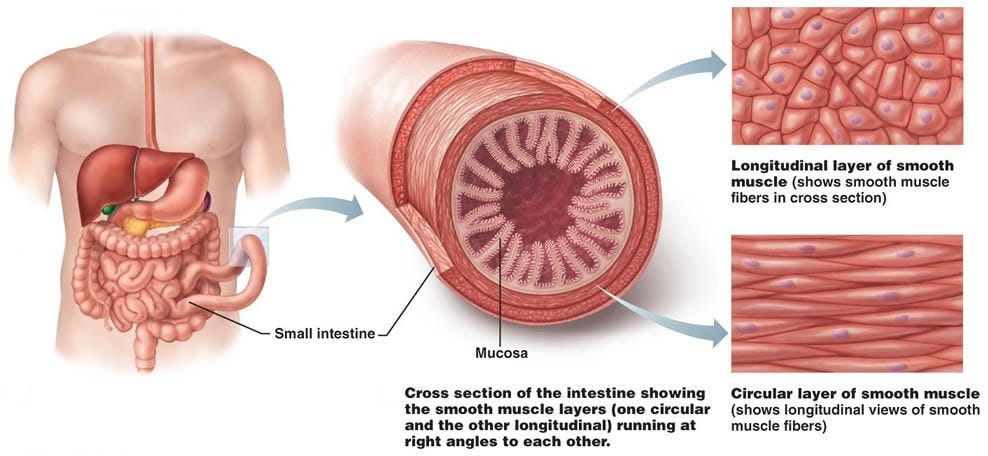
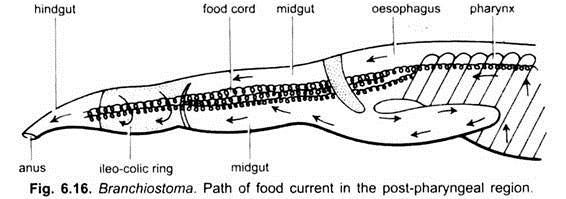
In simple chordates, this “alimentary canal” is a straight shot to the back end, lined with cells to aid digestion and absorption. In humans, this tube of smooth muscle is long, winding, and contains specialized sections with supporting organs.
Despite these differences, the main purpose of the gut is still the same: breaking down food into the smallest possible pieces. This allows the nutrition within to be easily absorbed and eventually ferried through the body where it is repurposed into one’s own organism.
There are two general ways to go about doing this:
Physical digestion: crushing, churning, grinding, squeezing
Chemical digestion: dissolving, sterilizing
Both strategies are employed seamlessly as food goes from the mouth all the way to the rectum. Synergy is meant to ensure as complete digestion as possible, while also decentralizing the way it is achieved, allowing for some amount of flexibility during times of stress.
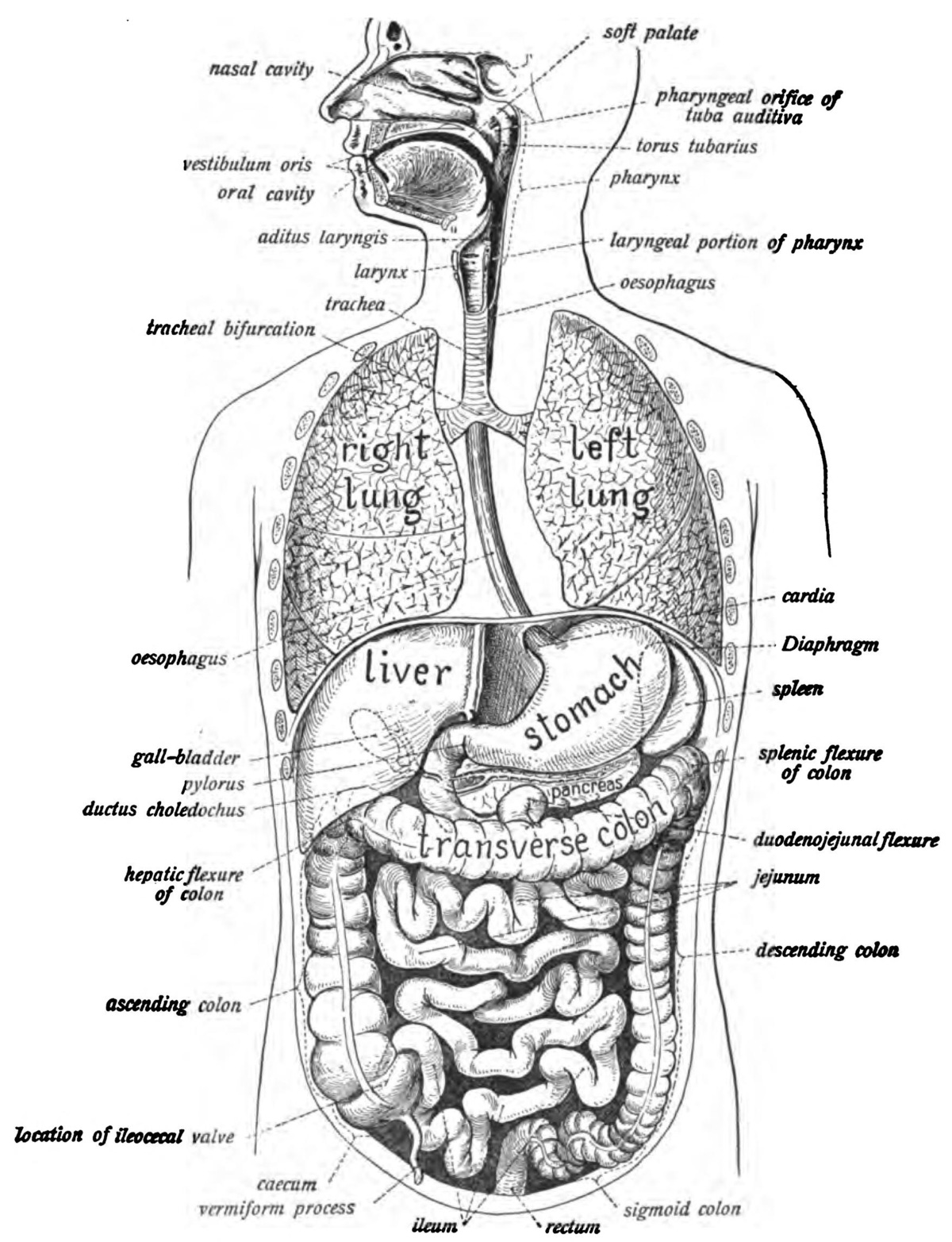
A simplified summary of digestion is as follows:
Larger pieces of food are chewed in the mouth, hydrated and mixed with enzymes from saliva to help digest fats and carbohydrates.
Once swallowed, the food travels into a vat of acid (stomach) where it is churned rigorously. This sterilizes the contents of the food while also dissolving it further.
The now sterilized and dissolved food makes its way into the small intestine where it is mixed with enzymes that help to break down the molecules even more. Most nutrient absorption occurs in the small intestine.
Food is squeezed through the intestines through rhythmic muscular contractions known as peristalsis. Mucus is secreted within the intestines to lubricate contents as well as acting as a selective barrier.
As contents reach the large intestine (colon) most nutrients have been absorbed. Colon contains symbiotic microbes that ferment remaining nutrition. Any leftover water is absorbed.
Relatively dehydrated and fermented contents are excreted through the anus.
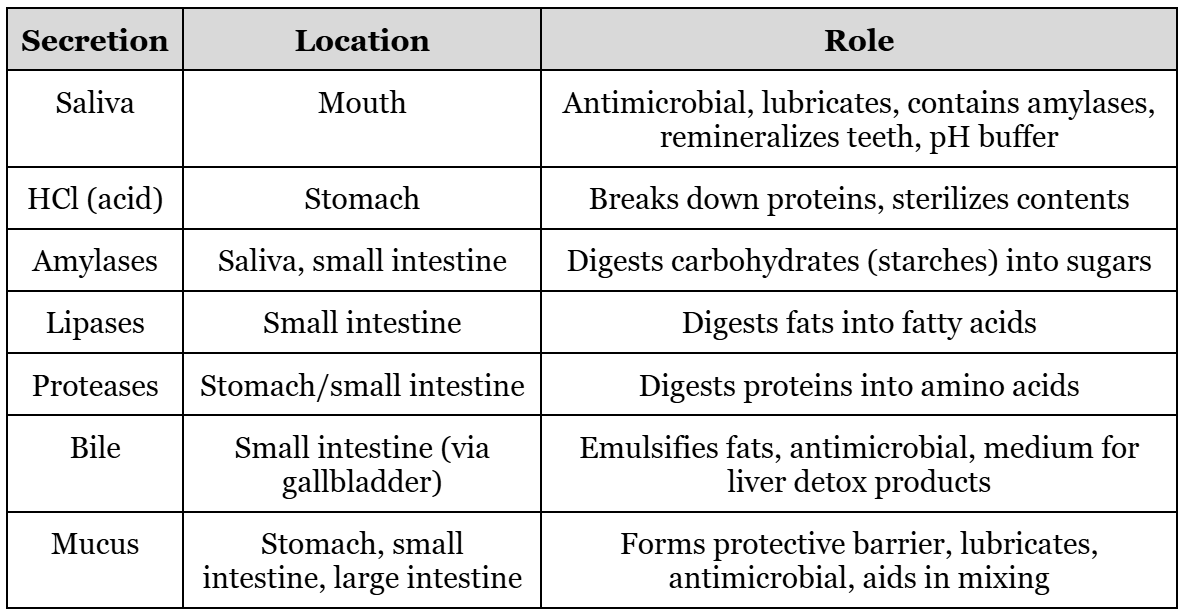
This is all controlled by a combination of nerve signaling, biophotons, hormones, and circadian rhythm. You’ve hopefully never had to think twice about digesting as it should occur without any further thought on your end.
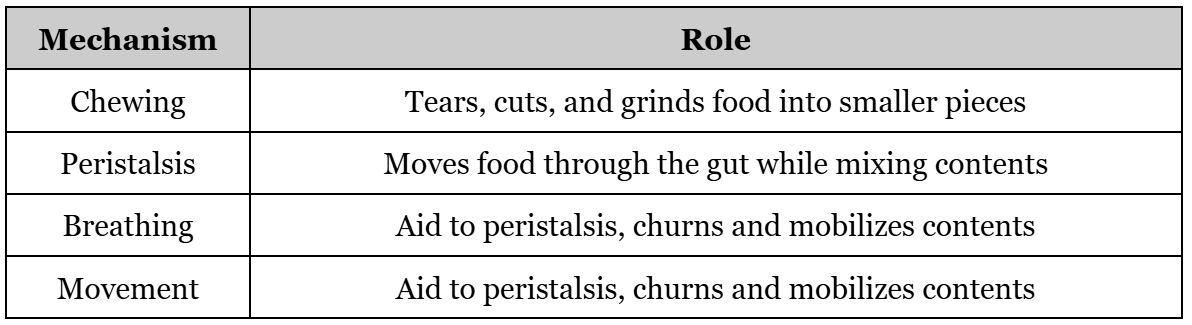
Digestion actually begins well before food reaches the mouth, as the mere sight, smell, or even thought of food kickstarts the cascade. These sensory organs --along with taste from the tongue-- provide information about the specific contents of the meal, helping to prepare the right combination of enzymes.

This can only occur if the organism (you) is in a safe state with energy to spare. Digestion not only requires energy but is secondary to immediate threats to survival. Stress from the internal and external environment(s) can put digestion on hold in order to deal with the situation. Once the threat is gone, digestion can resume.
The autonomic nervous system is a major player in this, as the state of your nervous system will determine how well you are able to digest anything. Think of the last time your were incredibly stressed, chances are that consuming food was the last thing on your mind. You’ve probably also dealt with stress that upset your gut, making whatever you just ate feel like it’s coming back up.
Circadian rhythm also controls digestion from behind the scenes. You probably have a bowel movement at similar times of the day, highlighting the schedule that your gut runs on. This is true for just about every other function of the gut, as it is meant to fall in line with the sun, both seasonally and daily.
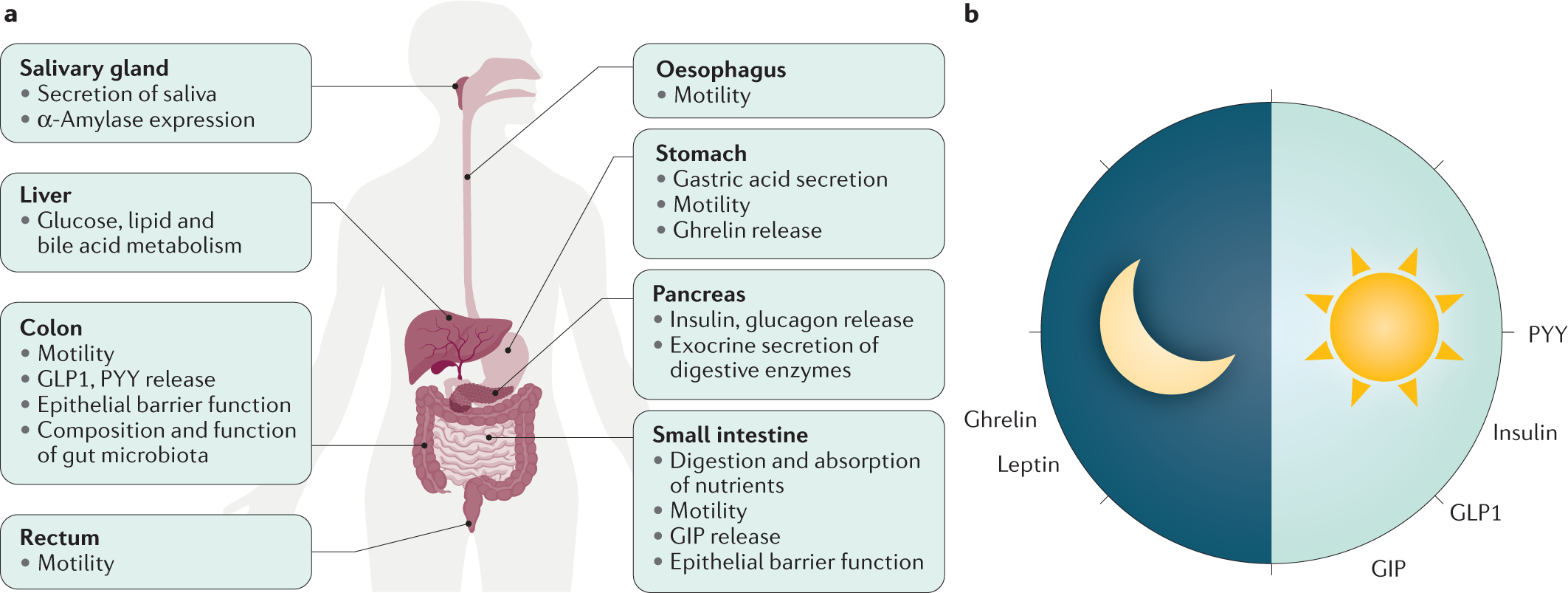
Sporadic and/or insufficient peristalsis, enzyme/acid/mucus secretion can lead to food being left undigested, loitering within. This may irritate the delicate lining of the intestines or allow for fermentation by unwanted microorganisms in sections of the gut that should be mostly sterile (small intestine).
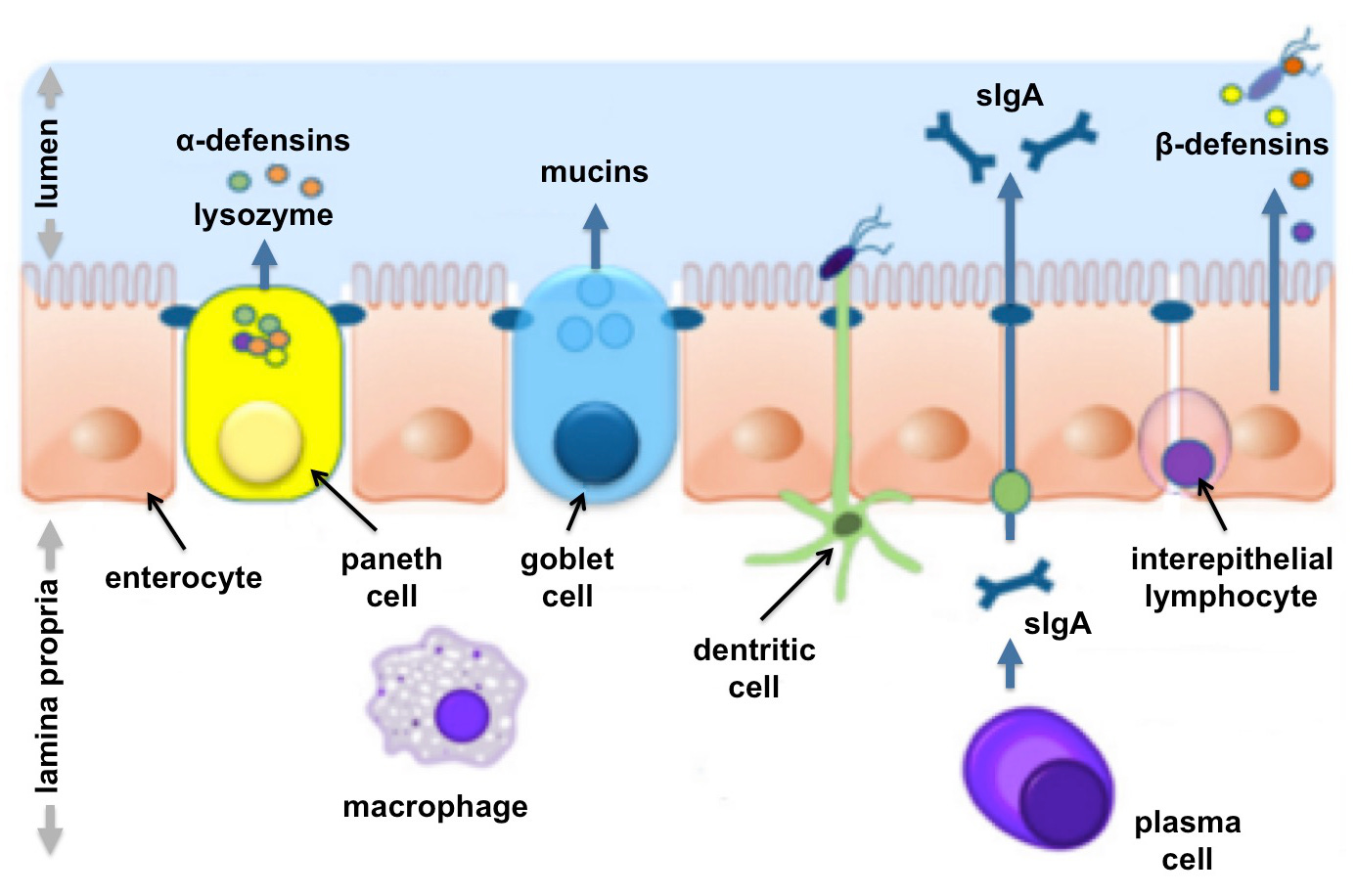
In excess, some of the consequences of fermentation --such as endotoxin-- can cause further stress and irritation. Endotoxin, (lipopolysaccharide) are fragments of the membranes of gram-negative bacteria. As these bacteria multiply and die the fragments of these membranes (endotoxin) are released and accumulate in the gut.
Endotoxin and other enterogenic (“from the intestines”) stressors are not a black and white phenomenon and exist to varying degrees. They can do so in the background where you are relatively unaware, occasionally spiking due to certain foods or outside stress. Events like food poisoning are usually temporary overloads of various microbial toxins, prompting a severe response.
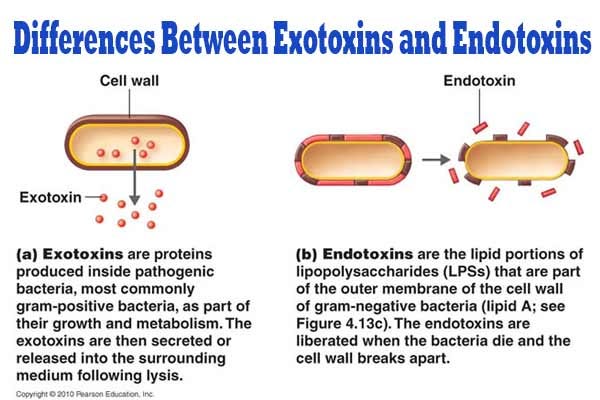
Many of the gut’s secretions (acid, bile, mucus, symbiotic microbes) are meant to control unwanted microbial life in the small intestine. However, if these are not secreted in large enough amounts, or when food is present, then these other microbes can grow out of control and their toxic byproducts may then leak into circulation.
The state of the gut is communicated by a large amount of nervous tissue, referred to as the enteric nervous system. This second brain communicates to the rest of the nervous system through the vagus nerve and the autonomic nervous system. In a way, this makes the gut a major sensory organ as well.
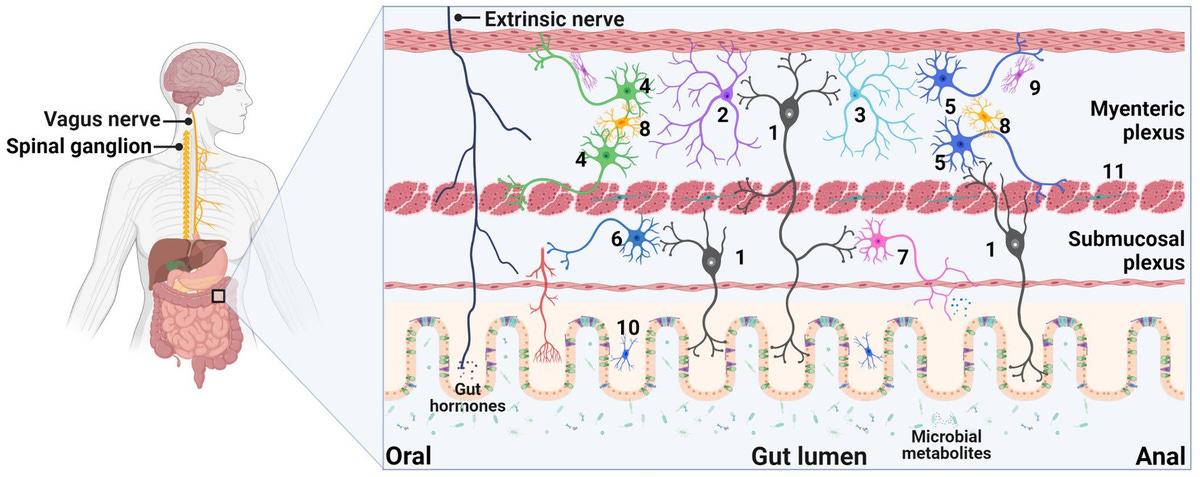
A tremendous amount of nerve tissue and neurotransmitters are involved in regulating the function of the gut and relaying it to the rest of the organism. Even small changes within the gut can result in subsequent responses within the brain.
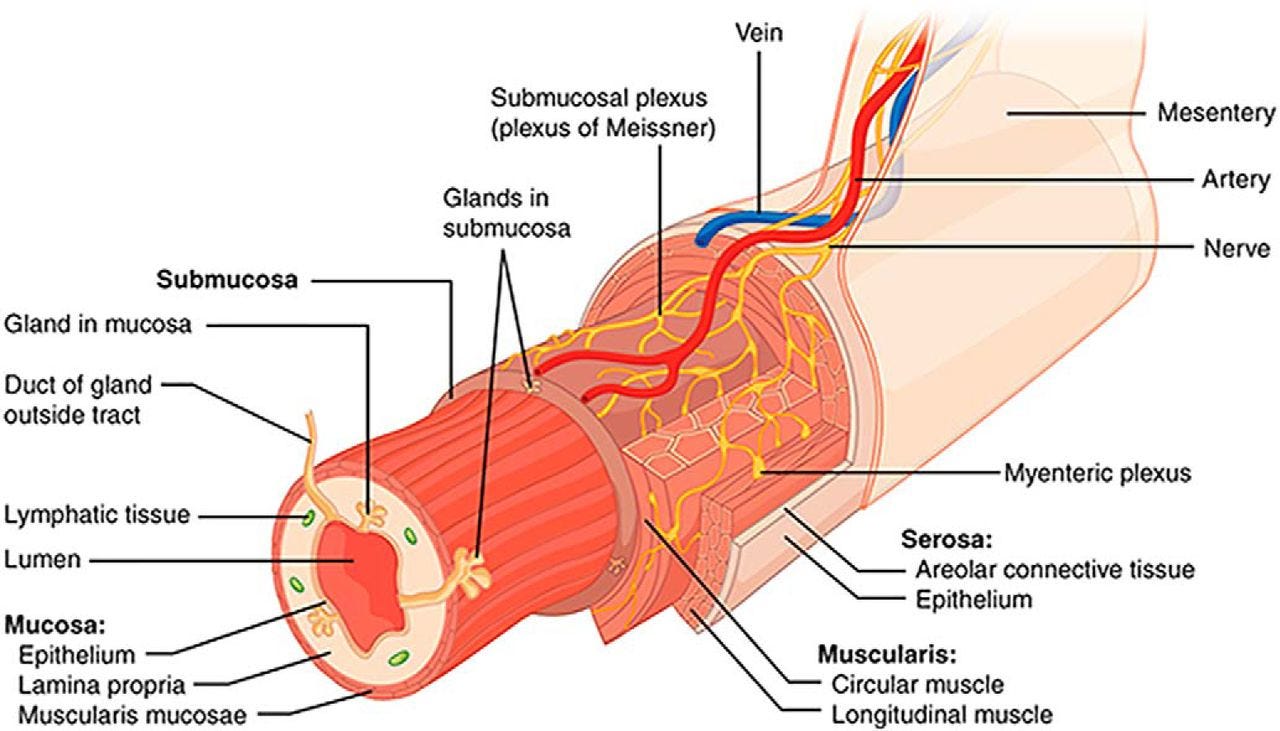
Neurohormones like serotonin are involved in a number of the stress responses within the gut. When chronically elevated, serotonin can contribute to a number of negative adaptations in the brain as well as the rest of the body. Here it is involved in diarrhea, nausea, vomiting, inflammation, fibrosis, and more. These are meant to protect the organism in the short term from stress.
In time this can change how the brain functions as mitochondrial metabolism is suppressed along with other neurohormones like dopamine. The afflicted will experience a shift in their experience of reality, usually one with a sensory blanket draped over them. Life becomes dull and devoid of hope when dealing with a bothered gut.
Short term irritation or stress within the gut can then manifest itself similar to stress from the outside world. Changes to breathing, posture, and thought patterns may all occur from an unhappy gut. Plenty of other physical symptoms can accompany this phenomenon, generally worsening over time if the stress within the gut is reoccurring.
This also means trying to fix these outward manifestations without first solving the problems of the gut will be futile. Many people with issues that may seem totally unrelated to the gut work tirelessly to fix them, to no avail. They are gaslit into believing the problems are in their head or from something else and hardly ever treat the crux of the issue.
So many ailments and diseases can be traced to disruption of the gut that it often goes unrecognized. Factor in the number of irritants and potential stressors in the modern world and what is considered “normal” for the gut is anything but. Most “healthy” interventions end up make things worse, as they lack a basic understanding of the gut itself.
nnEMFs (Bluetooth, Wi-Fi, etc.), excessive blue light, endocrine disruptors, food additives, mold, heavy metals, and incessant psychological propaganda can all take you out of a state that facilitates digestion. Instead you are never (or rarely) able to relax into a state that permits the secretions and peristalsis of a healthy gut.
Oftentimes healing your gut is a matter of drastically changing your environment and your daily habits. This isn’t something you can necessarily put into a pill or a quick therapy, as these generally produce small and fleeting benefits. It may also take time to get your gut back into a place where it feels relaxed and capable, depending on how long you’ve been dealing with issues.
Your goal is to work with your gut to allow it to do what it needs to do, enable your life. You should be choosing foods that taste good to you and are easy to digest. This could be in their natural state, or when cooked/prepared otherwise. Remove things that don’t particularly taste good and put strain on your gut.
Again this will depend on many factors that are always in motion. Stress from life will constantly be changing your digestive capabilities and demands. Respond and adapt accordingly versus being stuck in a dogmatic playbook.
Your gut is healthy when:
Your stool is solid, smooth, and passes easily
You have 2-4 bowel movements a day
You don’t become bloated or inflamed after eating certain foods
You don’t become anxious or mentally unwell after eating
Food tastes good and you look forward to eating
Maintaining a healthy gut is a matter of:
Eating easily digestible foods that taste good to you
Avoiding many of the irritating and toxic “food” imitations (slop)
Balancing the nervous system (removing unnecessary stress)
Synchronizing your life with the sun (and avoiding blue light at night)
Moving and breathing with ease
Consuming digestive aids as needed
Foods that taste good and are easy to digest should be a priority. Nutrients that can induce irritation/stress in some individuals/circumstances include:
Large amounts of soluble fiber
Resistant starches
Large amounts of protein
Digestive inhibitors from plants
Mending one’s gut is an entirely individual process, however there are a few things that can be universal aids regardless of the circumstances. These include:
Infrared light on the stomach
Sunlight (best)
Heat lamps
LED Devices (use code: lightup for discount)
An occasional carrot salad or well-cooked mushrooms
Objective Nutrients’ Gut Repair Combo (use code: BEE1 for discount)
Going for a walk before/after meals
Coffee
Ginger
Quinine
Vitamin C
Mexican Coca Cola