
Don't Skip Face Day
Why You Should Train the Muscles of Your Face

The muscles of the face are often the most neglected in the body, seldom receiving the attention they deserve. This is perhaps because they are an afterthought when it comes to one’s physique. People focus on the much larger and more readily trainable muscles of the torso and limbs because they translate to far more substantial strength and performance.
Of course you can’t walk or run or do much of anything directly with your face so it wouldn’t be apparent that it should be stimulated as you would with your other muscles. Add in false assumptions that the face’s construction and appearance are purely the result of “genetics” —the universal cop out— people aren’t motivated to do anything for their face. Some will dedicate their lives to crafting every muscle in their body but won’t spend a single second on those in the face.
The result is an uncanny specimen that doesn’t quite look right. You’ve seen these people before, you may even be one yourself. A body of perfectly developed and proportional muscles throughout but when it gets to the face there is atrophy, sagging, and overall lack of development. This is no different than any other body part that is lacking, like someone who never trains their legs or only trains their arms.
While genes, primarily the prenatal environment, do have plenty of say in the face, this is not absolute. The face and its muscles still possess important roles in physiology including proprioception, fascial continuity, as well as improving social communication via expressions. Our face is often used by others to judge our health, competence, social standing, metabolic state and more.
For a more in depth look at the entirety of the face please read my article on the subject below:
A significant portion of both of these realities is controlled by the tone of muscles and their influence on the layers of fascial and skin tissue. What you consider to be your face includes these soft and active tissues draped over the bones. These muscles are quite trainable and are capable of both atrophy and hypertrophy as with other muscles.
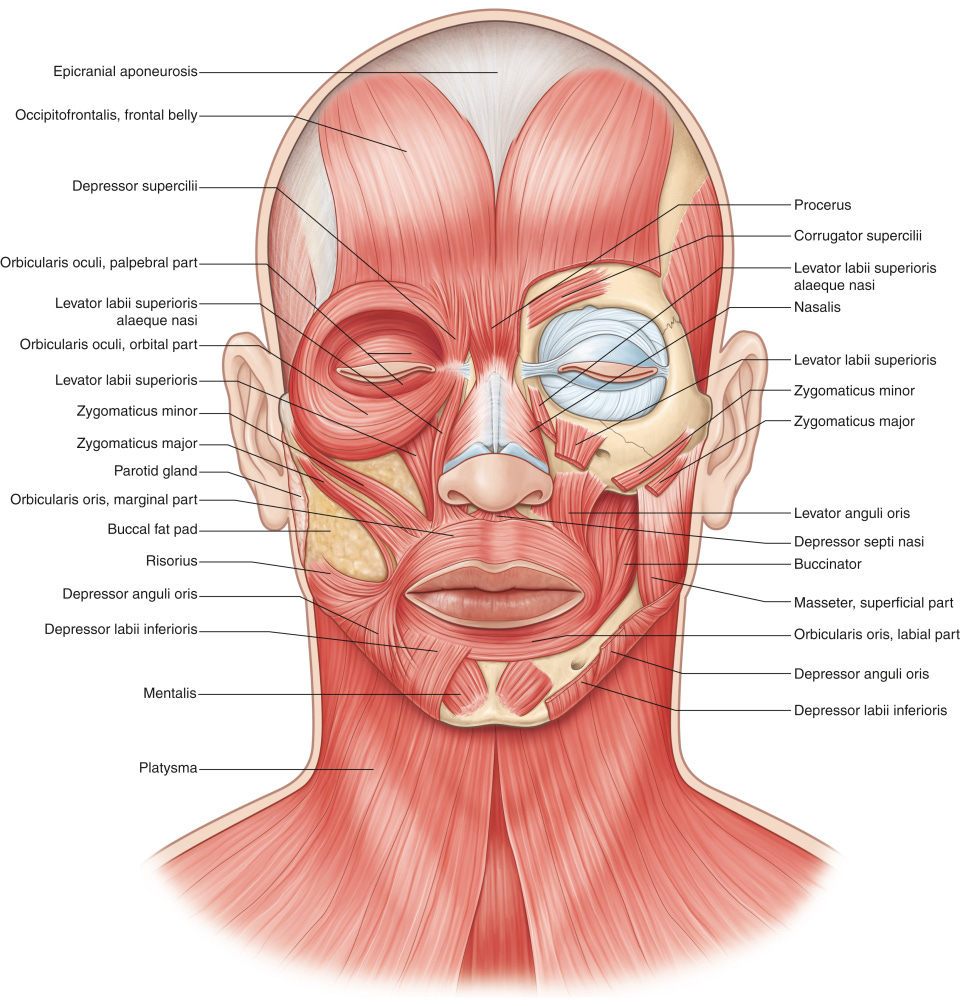
Granted, your ability to generate resistance as you would with other skeletal muscles is limited, however this is all relative. If your facial muscles hardly contract in the first place then any consistent usage can signal growth. That is usually what most people need, to just be able to use their face and the desired muscles will grow to their ideal size and strength.
Why is this important? Well there are a few reasons why you should train your face and why the muscles of the face are important. These include:
Sensory nerve density & proprioception
Fascial continuity with the entire body
Blood and lymph mobilization
Social and emotional importance
Sensory Nerve Density & Proprioception
One of the first clues to the importance of the face is the immense concentration of sensory nerves in the area. The face is quite sensitive as the skin on your cheeks will be able to pick up far more than your back. Some of the other sensory structures like the eyes, ears, nose, and tongue are also intertwined with the face as these take up substantial portions of the brain.
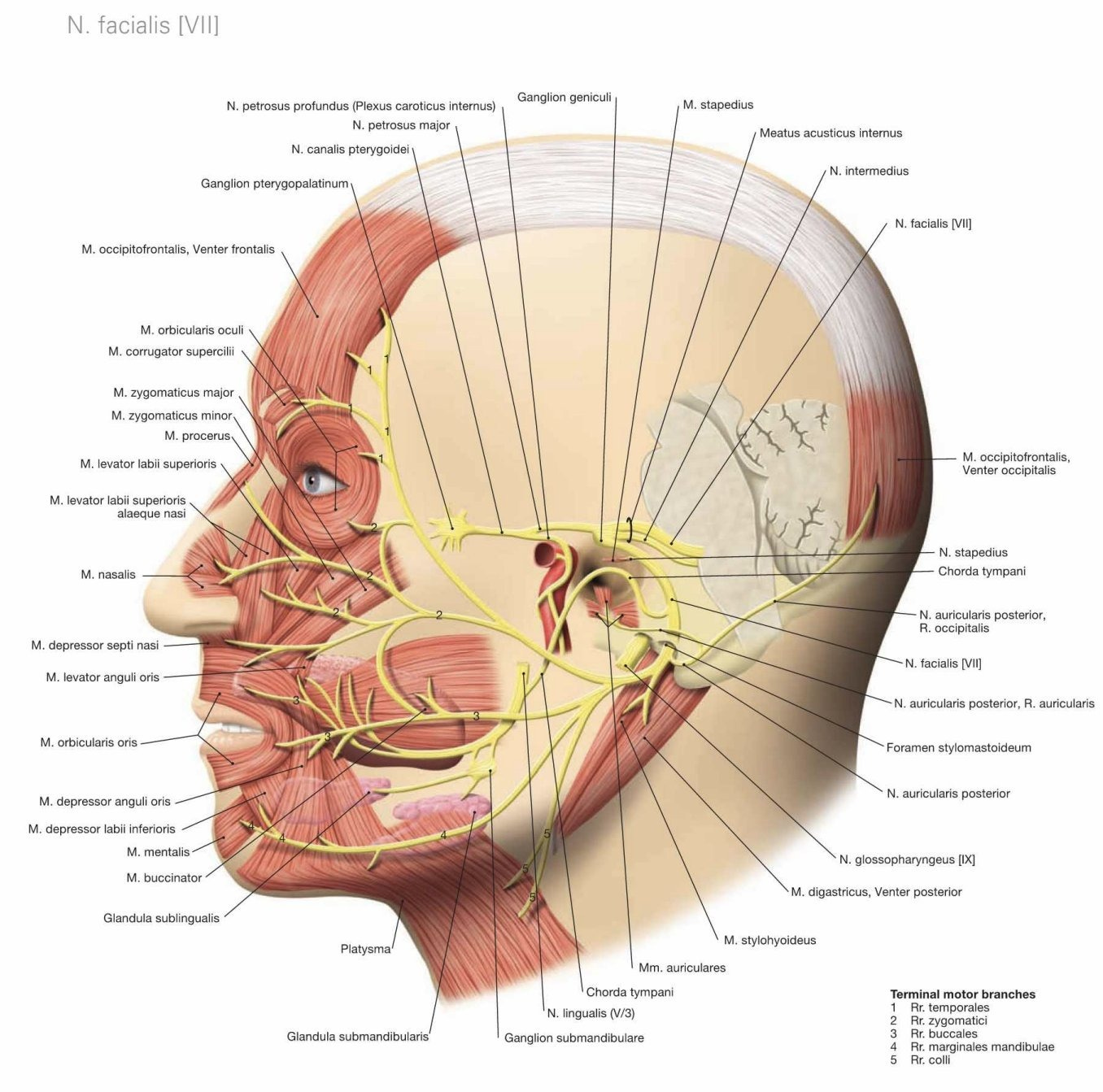
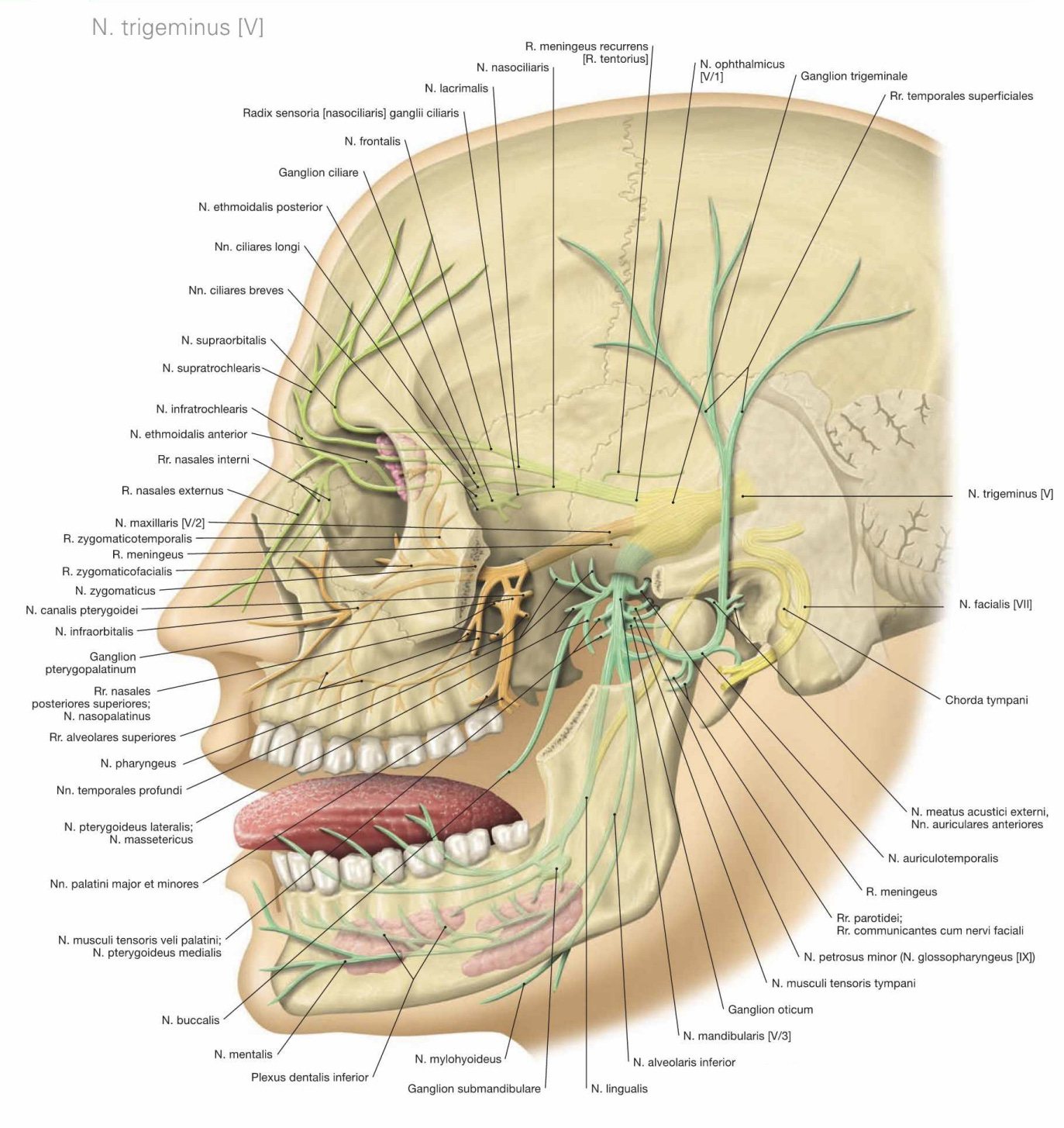
The concentration of these sensors means that the face as a whole plays a pivotal role in proprioception, as these nerves and sensory cells end up forming part of the holographic map of the body in space. The more nerves there are the more accurate a picture the brain is getting of the body at all times.
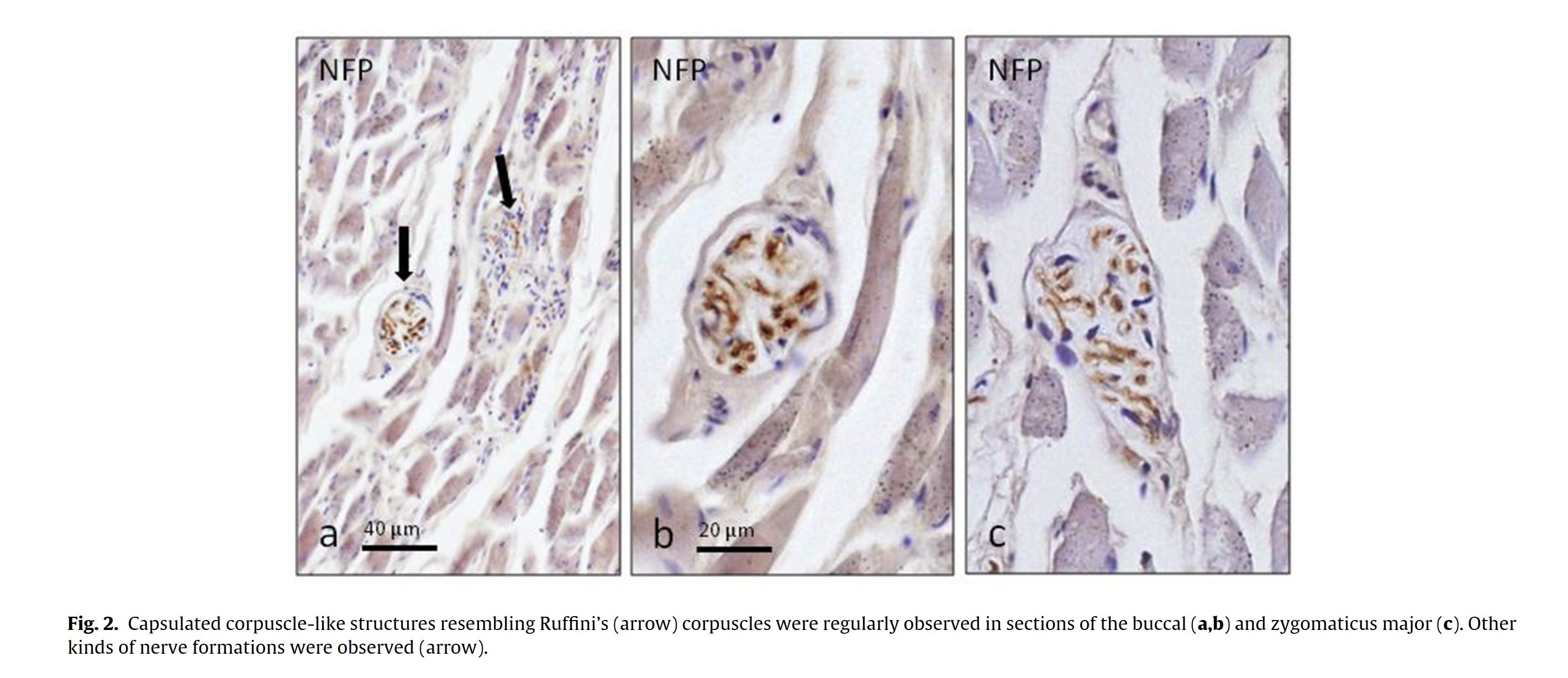
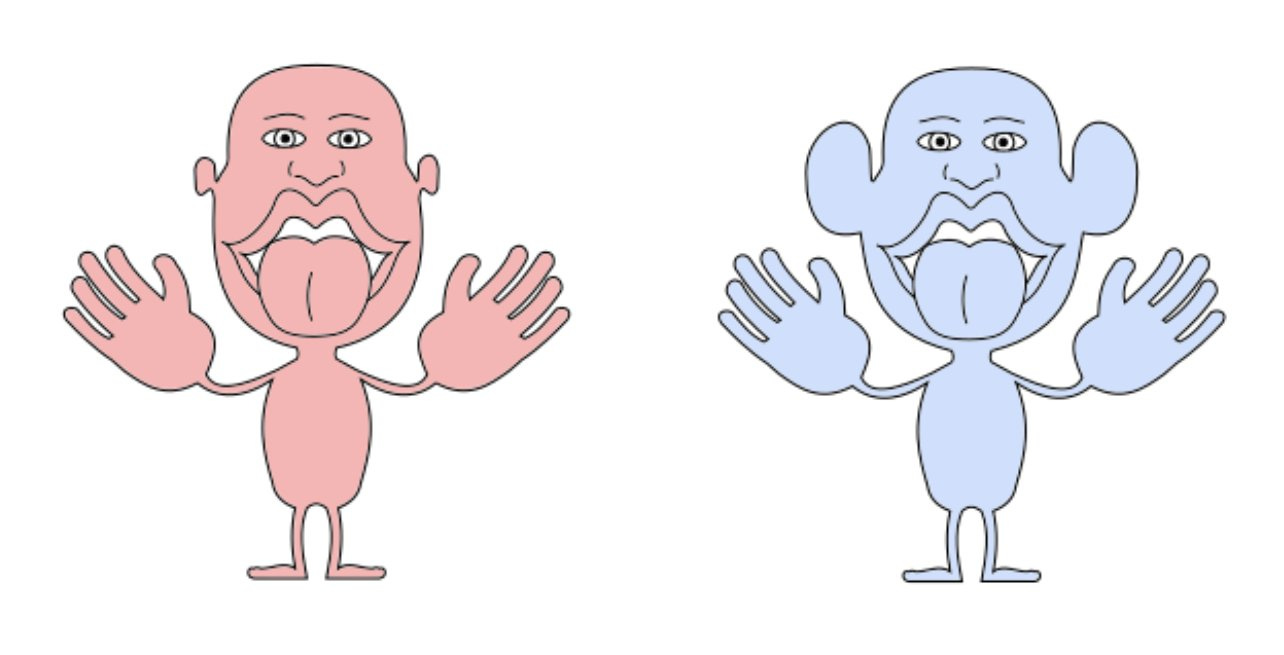
As a result, the tension experienced by the face’s muscle and fascia provides information to the central nervous system that influences the behavior of the rest of the body. Of course there is no separation between what we consider to be the face and the rest of the body, they are one system working in harmony.
Fascial Continuity
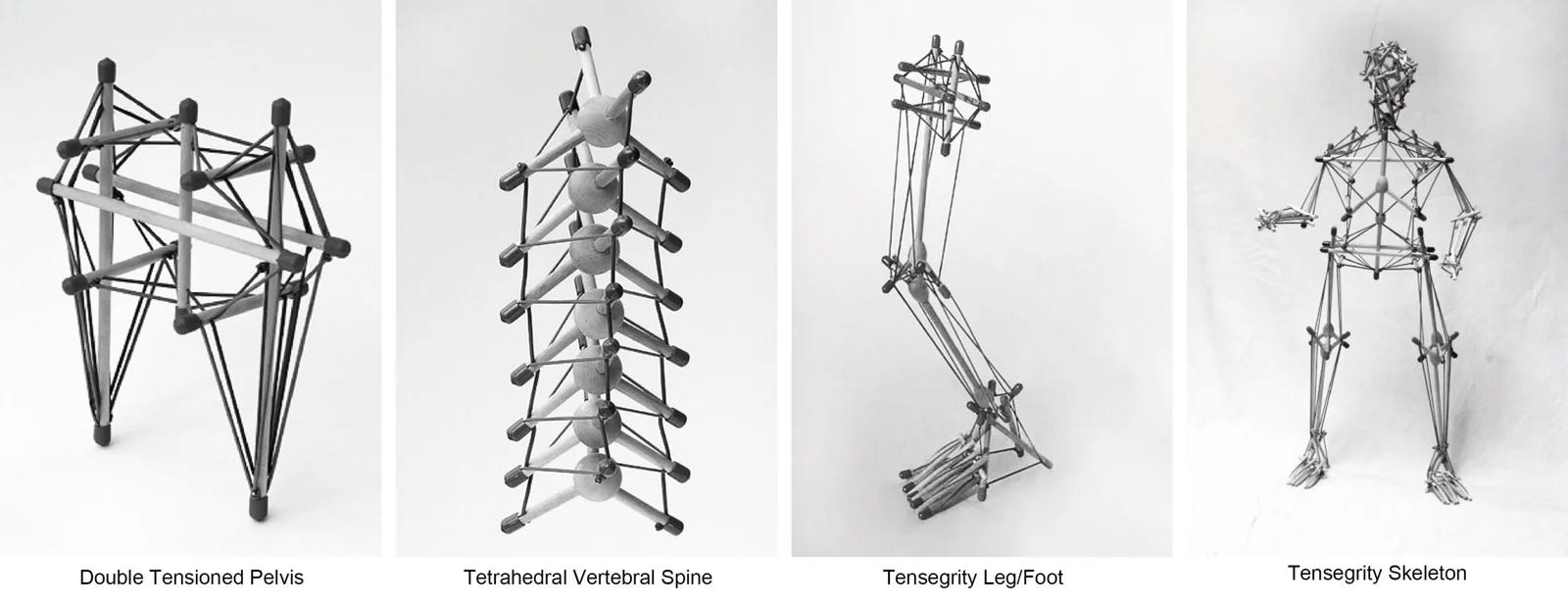
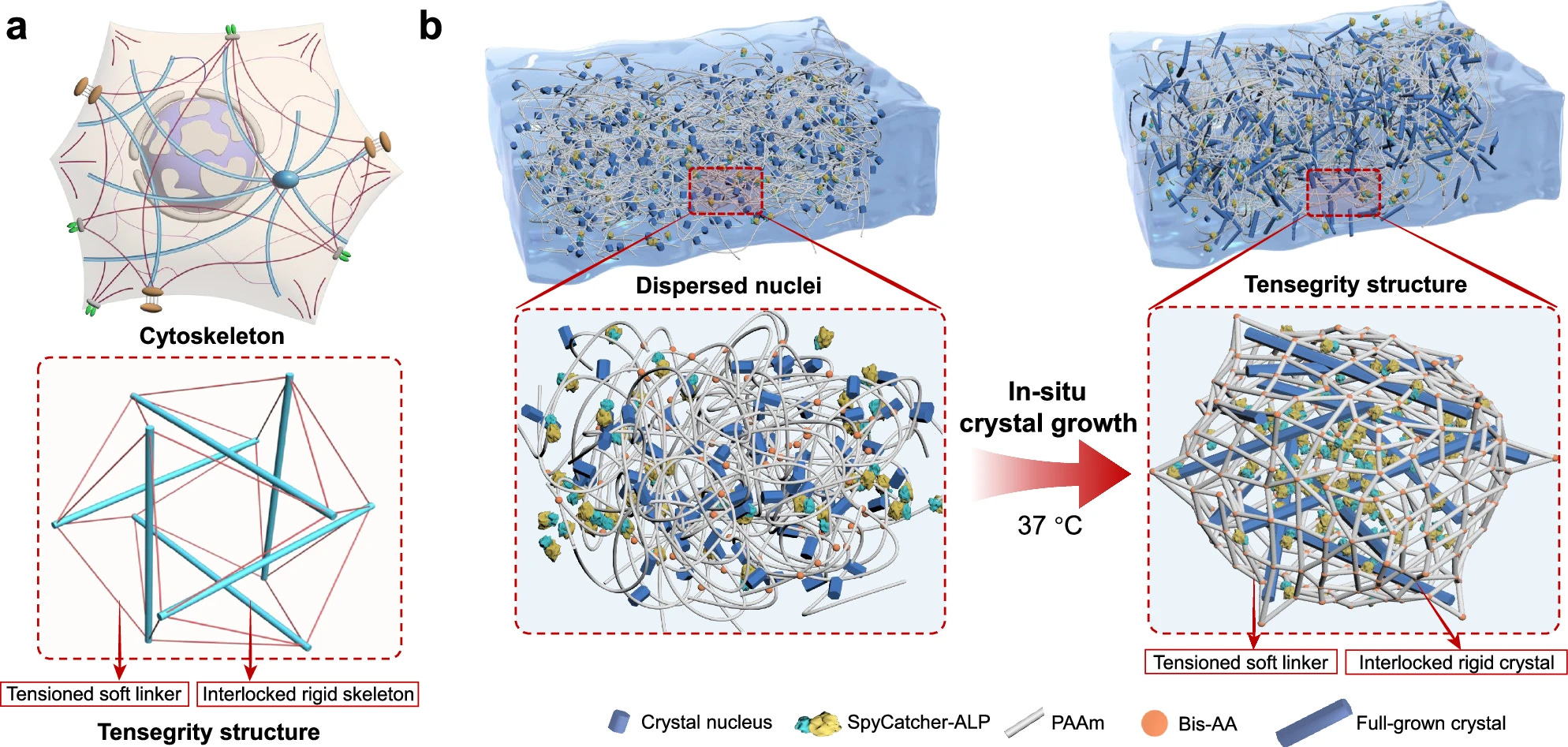
One must be reminded that living organisms are tensegrity structures made of bone, fascia, muscle, tendons, and ligaments filled with a mix of jelly water. This means that the whole structure is quite literally connected from end to end. While this allows some amount of decentralization, a problem at one point will inevitably be felt or adjusted to throughout.
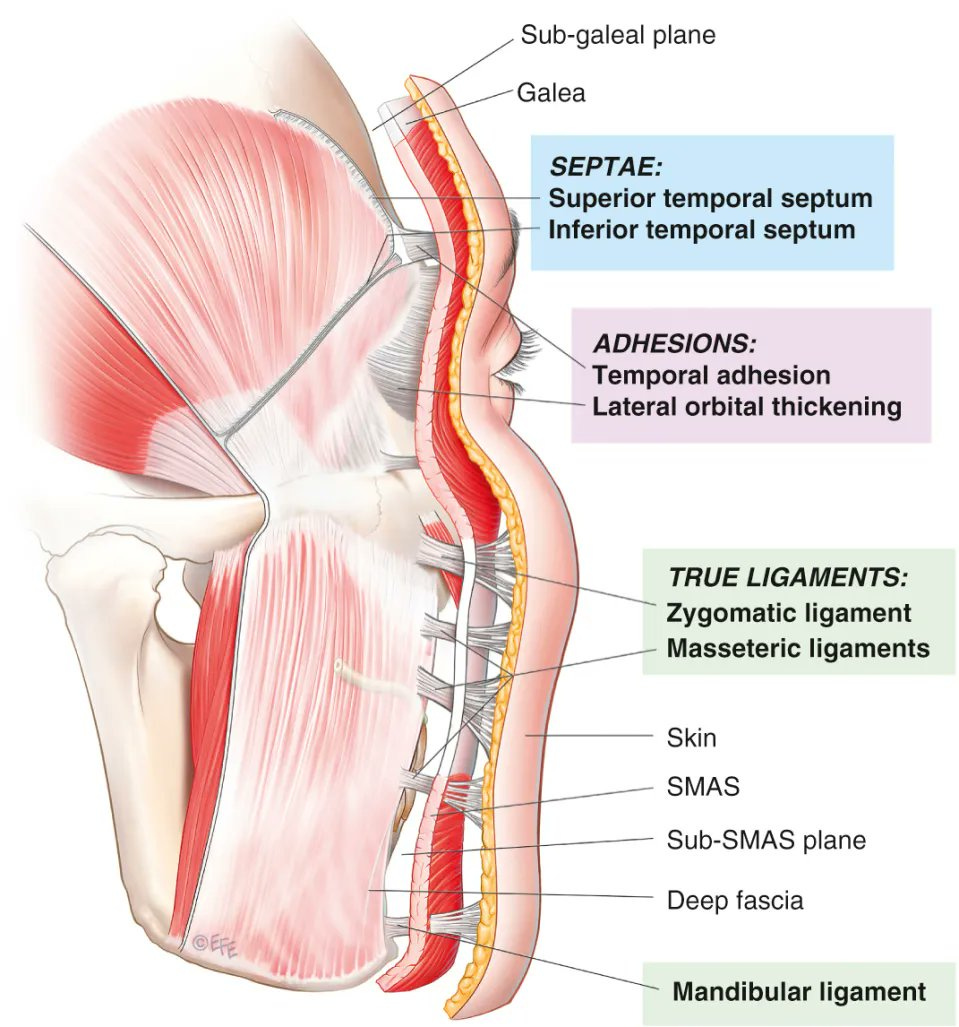
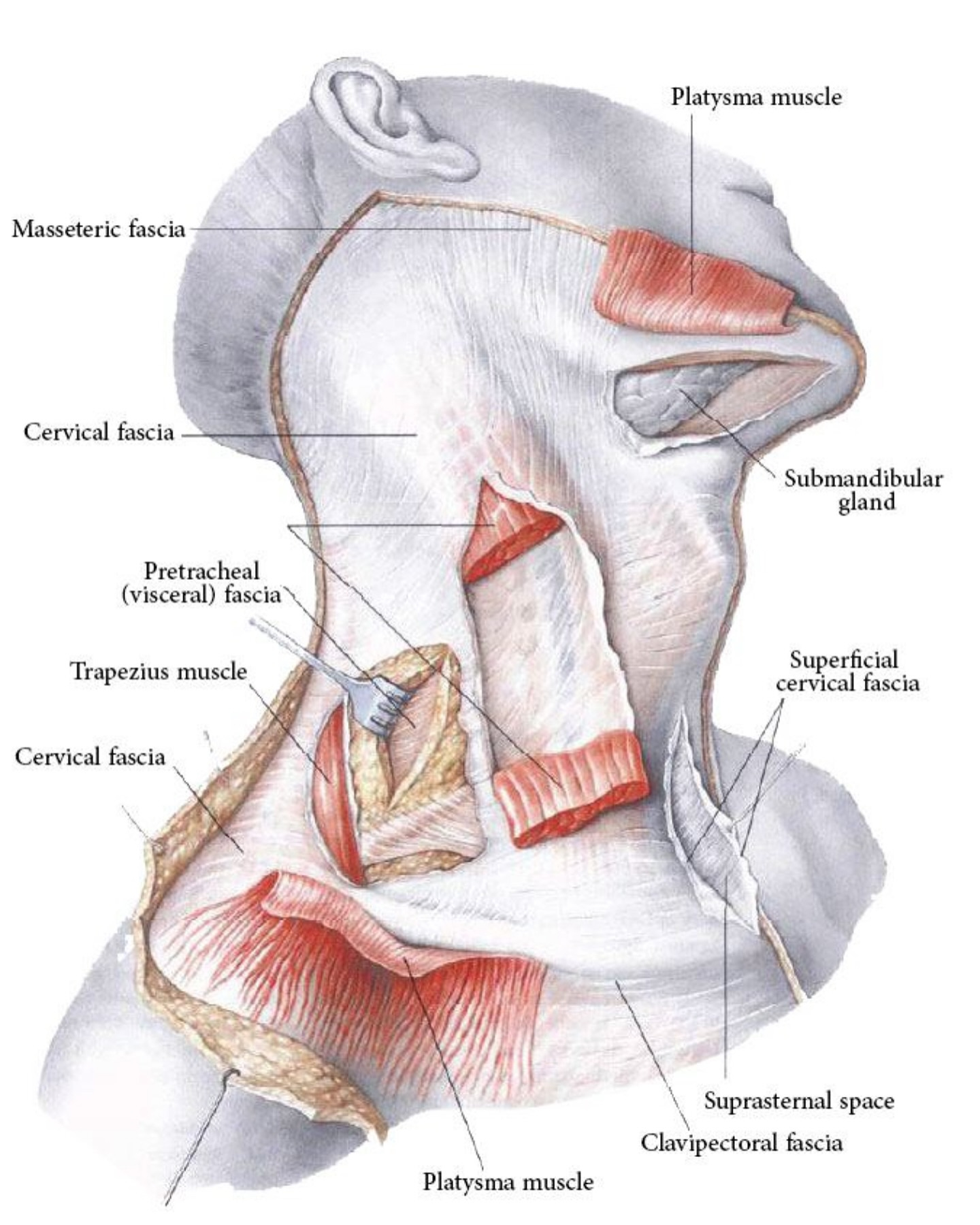

Some may like to believe that the fascia from the rest of their body has no relation to their face or that the face has no effect on the rest of the body. This just isn’t true. The fascial layers that encase the skull and face travel down to the neck into the limbs and torso. Structures like the tongue even possess direct fascial connections all the way down to the toe as well as the thumbs.
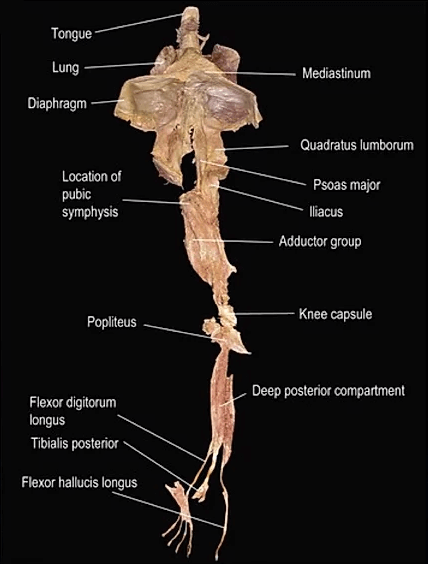
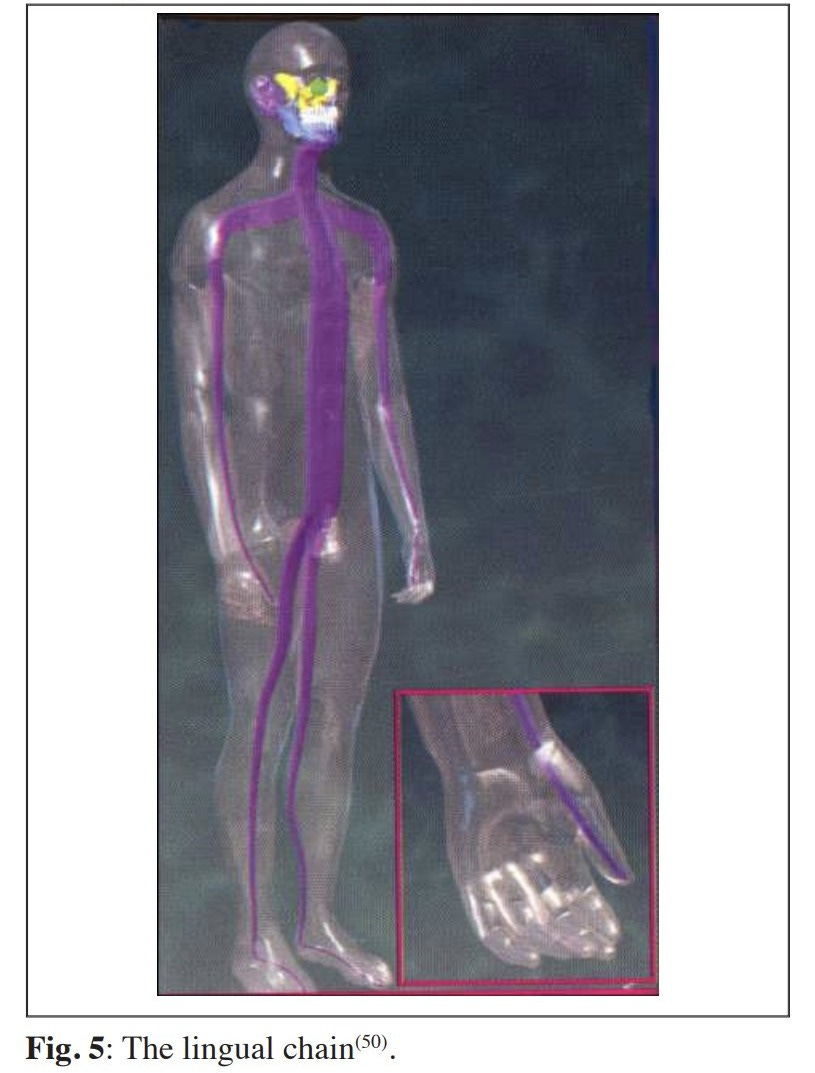

Please understand that there is no magical barrier between your face and the rest of the body as what happens at either will affect the other. You can see this any time you perform any sort of max effort physical activity. Take note of what your face is doing on the last rep of an exercise that you are performing until failure. Chances are you will be flexing and contorting it, making funny faces, even though it’s not doing any work directly.
Now the next time you do any high intensity exercise try to make your face as stoic and expressionless as possible. This will almost certainly feel awkward or even difficult as your face wants to activate along with the rest of the body.
Blood & Lymph Mobilization
The tissues of the face are like any other. They demand nutrients and produce waste that needs to be removed constantly. And just like any other part of the body the contraction of skeletal muscles are important regulators of the blood and lymphatic flow that allows for this. How much blood reaches the skin of the face and how effectively lymph can be drained from it comes down to the ability of these skeletal muscles to contract and relax cyclically.
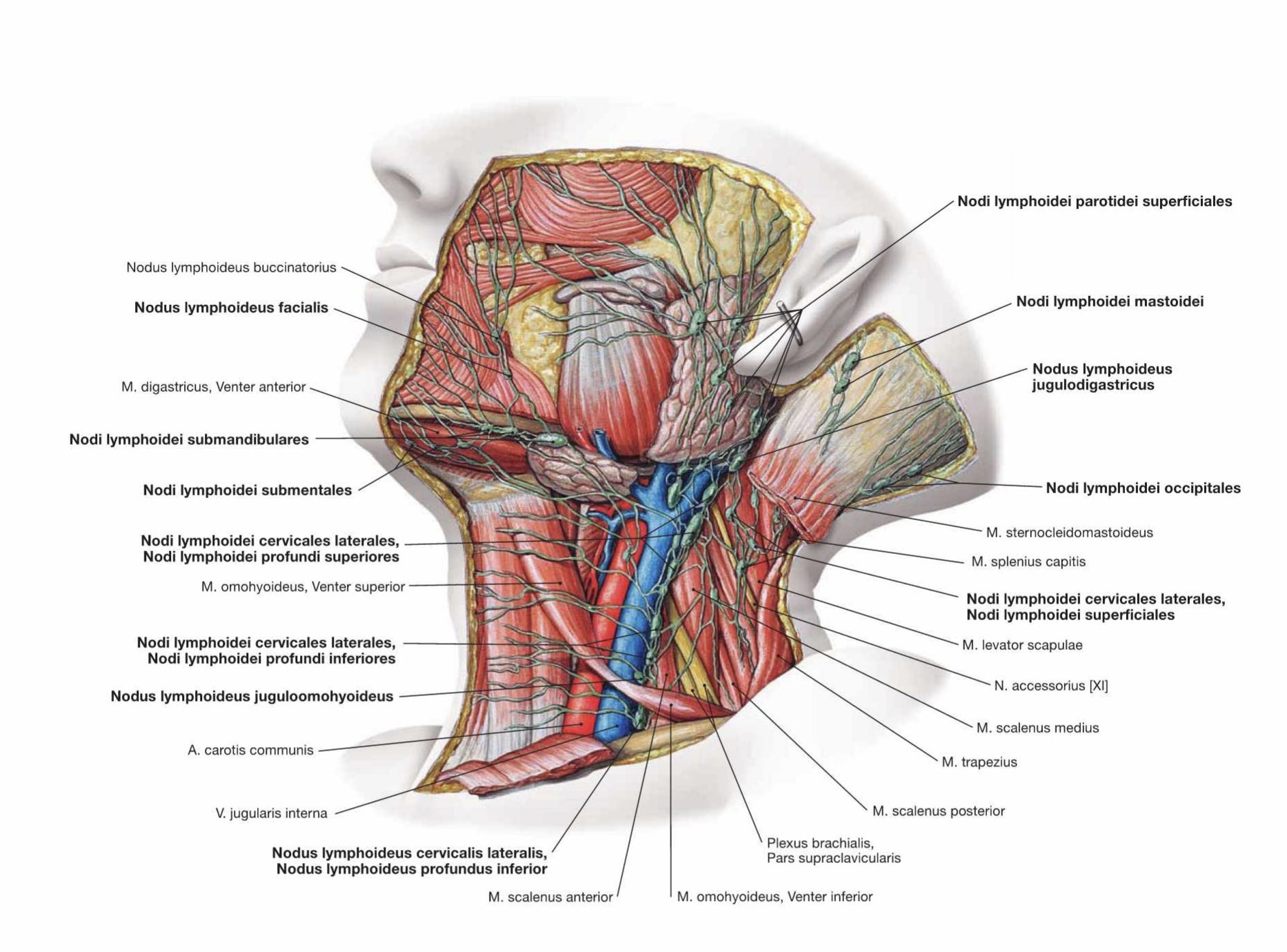
Thus, the health of the facial muscles and their relative strength ends up being an underappreciated factor in the health and outward appearance of the skin of the face. How is the skin supposed to receive the nutrients it needs to repair and regrow —a constant need of all tissues— without adequate blood and lymph flow? The short answer is that it doesn’t.
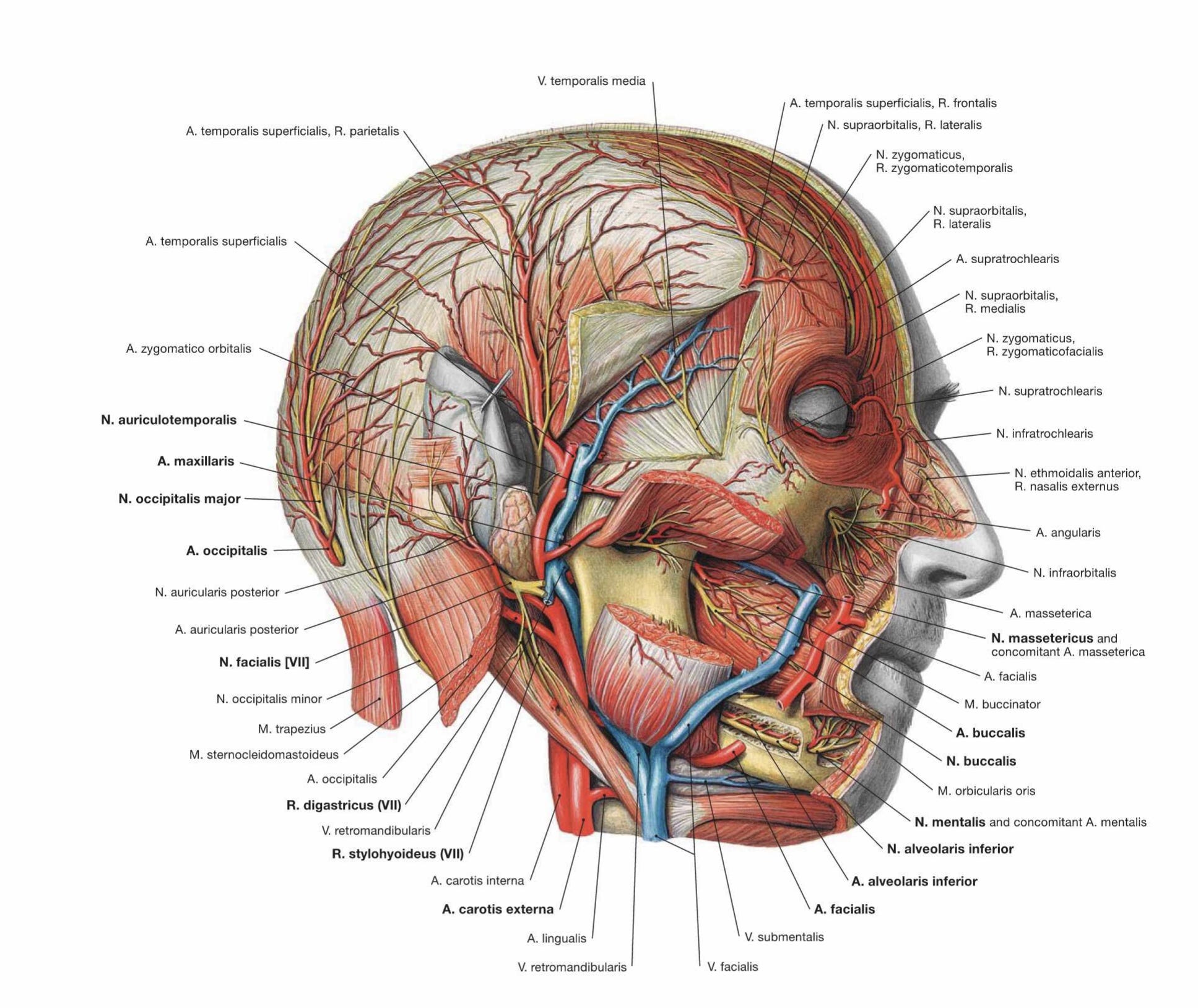
Think of what happens to the face if poor nutrient delivery and waste removal is a reality for years on end. The face ages faster and takes on a worse appearance as the local metabolic environment deteriorates: collagen is unable to be replaced, wrinkles form, inflammation runs rampant and the tissues slowly degrade.
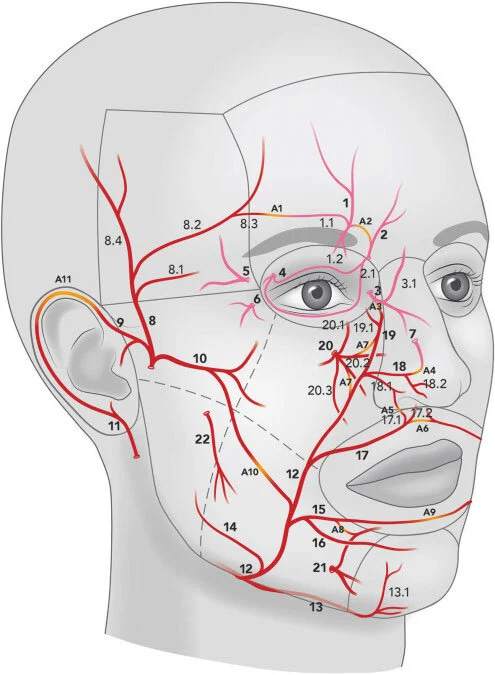
People are quick to jump at external fixes to this like skincare products, lymphatic drainage massages, and even dietary/supplemental interventions but rarely look at the physical tissues that lie just beneath the skin. Yes these other things can be helpful but if you aren’t addressing one the most important natural regulatory mechanisms of the skin then you will be fighting an uphill battle.
Social & Emotional Importance
The face is a major communicative asset for humans. We can express a wide variety of emotions and feelings with the coordinated contractions of certain muscles. At the same time we can signal to our own organism as to the state that we are in. The face’s high density of neurons and the innervation of many of the facial muscles (facial nerve, trigeminal) means it is also closely intertwined with our autonomic nervous system.
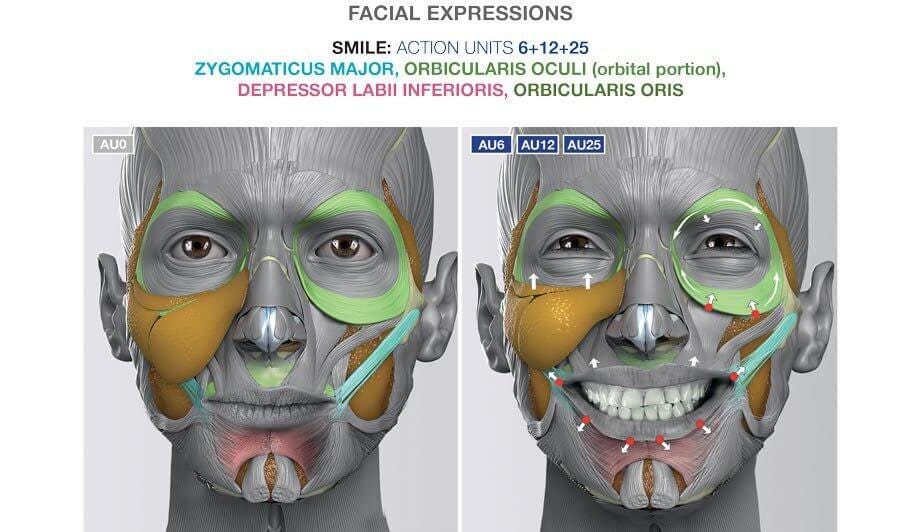
You can make yourself feel an emotion just by mimicking the facial expressions associated with it. This could be the case for smiling, making you feel a bit happier, or frowning, making you feel worse. Now imagine what happens over time when your face adapts to one of these emotions. Say you are chronically unhappy, sporting a frown all the time. You will be reinforcing those same pathways associated with displeasure via the activation of the muscles that do so. The same can be said for someone on the opposite end of the spectrum
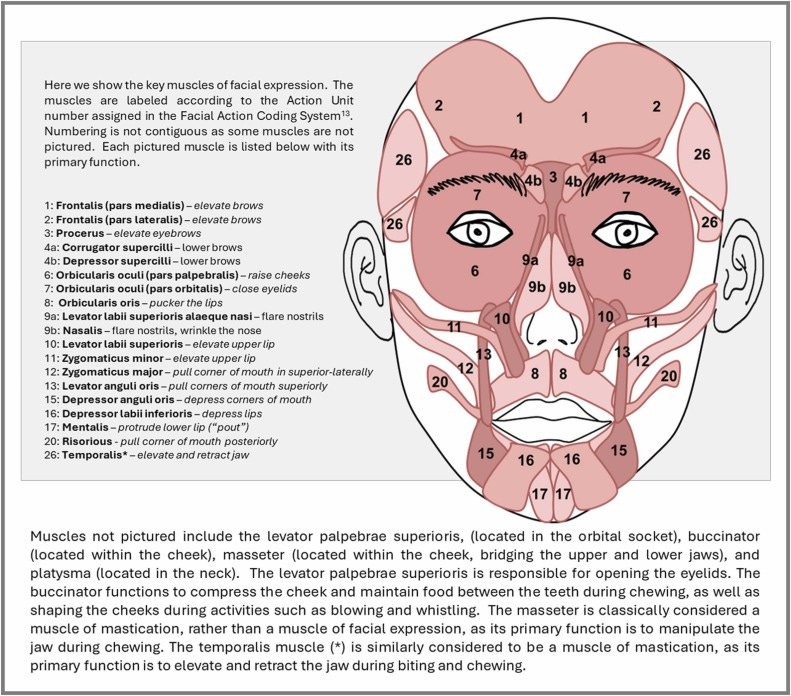
Facial muscles that are strong and motile enough to convey certain expressions can not only improve one’s ability to feel certain emotions but other’s ability to perceive them. It is these expressions that often make an individual more personable and relatable, as we all experience a wide range of feelings and emotions but may choose not to express them.
The reverse of this can also be true as the ability to express emotions, or the lack thereof, is one way to identify potentially dangerous individuals. For instance those who are psychopathically devoid of emotion will possess fewer wrinkles of their forehead from a lack of facial expression. The behavior of the muscles around the eyes can also be telling of someone’s immediate condition.
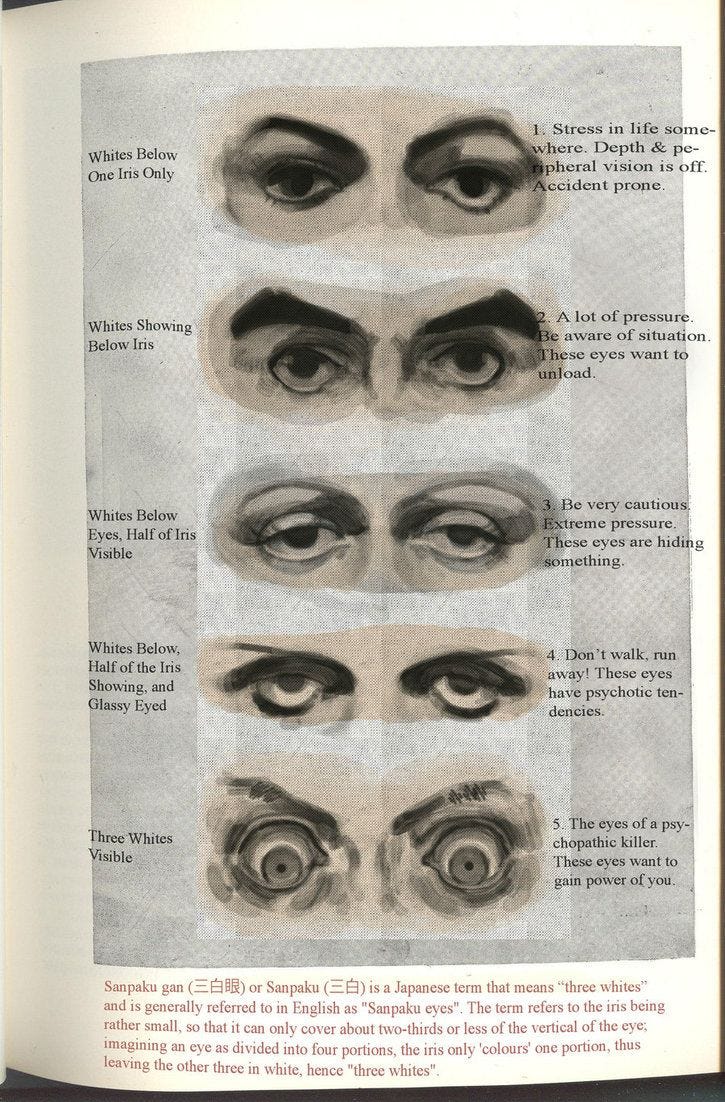
Being able to express emotions via the face is an important human trait. This is key for socializing as the unmoving emotionless face can be seen as uncanny and slightly concerning by some people, perhaps giving them the wrong idea. By training your facial muscles you can better express these sensations and emotions for yourself and those around you.
Appearance
The face is one of the central points for one’s appearance and how others perceive you. This is because of a combination of the prior functions along with those related to the function of the craniosacral pump. In short, the construction of your face is able to be used as quick analysis of the long term status of all of your bodily systems wrapped into one.
This is not vain but a reality of life and physiology. How your face looks says a lot about you, your abilities, and your health. For eons this allowed humans to analyze another person, stranger perhaps, almost instantly. Gauging whether or not they were deserving of trust and/or cooperation.
Today that ability has been beaten out of us as we are taught not to “judge a book by its cover”. This forces mass social cooperation even if it’s undeserved and untenable in the long term. It should be noted that this isn’t purely about being “attractive” and more about being trustworthy and/or competent. Much can be told by the face.
Yes a considerable portion of that is genetic (womb environment) but there are quite a number of levers that you can pull into adulthood that can make a difference. This can be quite dramatic if one’s facial muscles have been chronically atrophied and underutilized.
So what can facial exercises do? These exercises can strengthen and improve the tone of the muscles in the face. This does a handful of things including improving nutrient delivery to the skin, increasing the rate of lymphatic drainage, and “lifting” the face against the downward pull of gravity. Combined these can contribute to a more youthful and healthful appearance.
Yes there are more things that come into play but the muscles cannot be overlooked, especially when training them is easy and accessible. As you will see, many of these exercises are simple, intuitive, and effective, with noticeable results coming fairly quickly for some people.
The Exercises
What follows is a handful of the most important and most neglected facial muscles as well as various exercises that can stimulate them. As you will notice these are almost always connected to different natural expressions or behaviors that you will or should be doing through your life. This means that although these may start as exercises they should eventually be incorporated into your day-to-day existence via breathing, emotions, squinting, etcetera.
Since just about all of these muscles are innervated by the facial nerve they will also support one another. The shared innervation means that by practicing movement with one muscle, the connection with the rest of the muscles will be improved. At first some of these movements may be challenging or almost impossible. However this will become easier as you practice.
It is also likely that you possess asymmetries with one side of your face being stronger or more contractible than the other. This is normal but can become a nuisance that spills over into functionality, affecting proprioception, breathing, and the overall state of the nervous system. In these circumstances you will need to be patient with your lagging side, taking extra time and attention to exercise them.
For the exercises themselves make sure you are doing the contractions slowly and with control. When you first start this will be harder to achieve but as you get stronger and more coordinated it will come easier.
Orbicularis oculi
The orbicularis oculi are a pair of sphincter-like muscles that surround the eye. Their contraction closes the eyelids to varying degrees, such as when squinting. Most people today aren’t asked to squint often enough, because of a reliance on sunglasses, hats, and overall sun avoidance. These inventions have reduced the need for the orbicularis oculi and can lead to some atrophy.
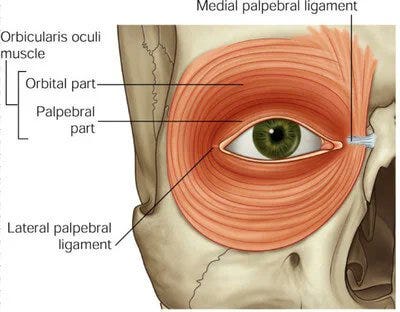
The remedy to this is to squint more, quite simply. Start by doing this in the mirror and connecting the movement with the feeling of the muscles contracting. Take notes of any asymmetries and address them accordingly. As you get better at squinting you should also practice doing so outside in the sunlight as intended.
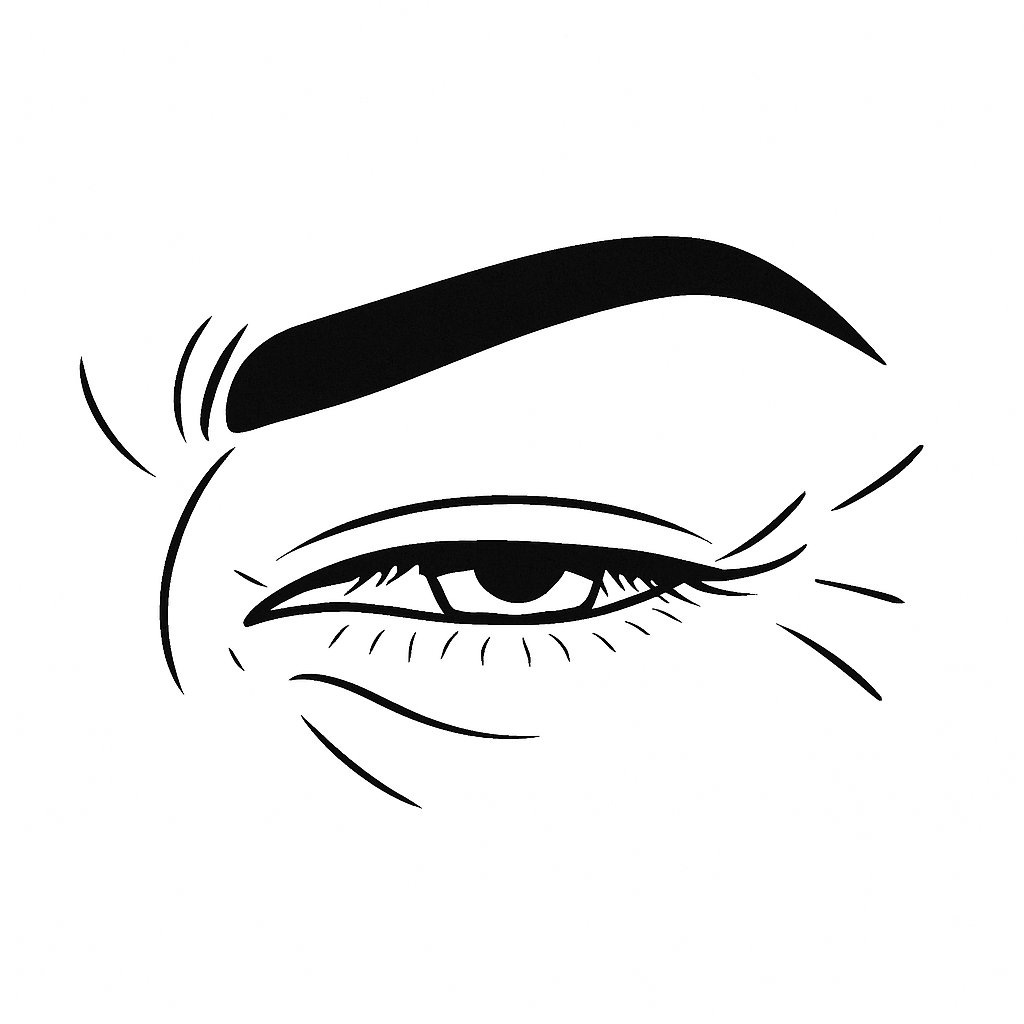
You should already be limiting your use of sunglasses anyway as they can interfere with circadian rhythm when abused. Squint instead and you’ll begin to see how much they may be neglected.


Training the orbicularis oculi can even help to open up the nasal passages due to connections to the tear ducts. If you are dealing with a single stuffed or inflamed nostril, this exercise may help to open up the tear ducts and improve breathing.
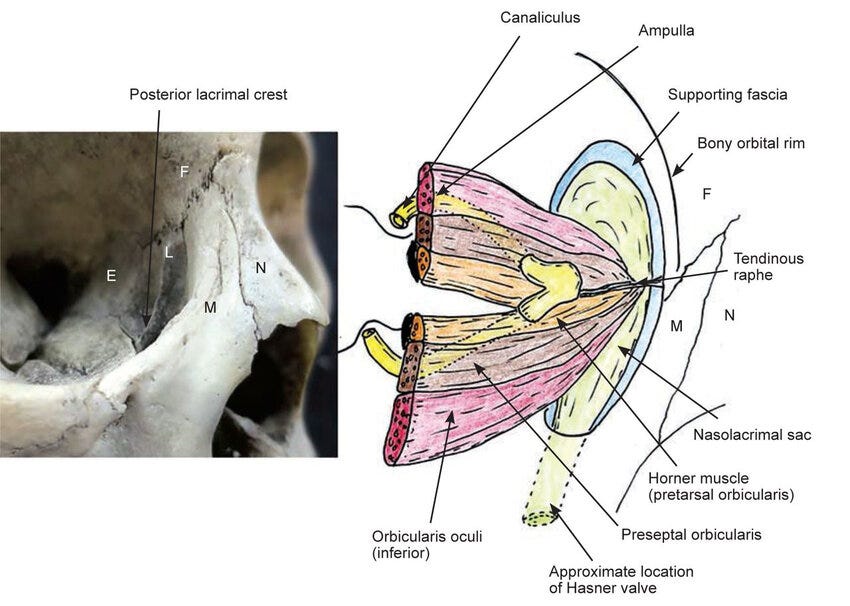
Lastly, the orbicularis oculi is integral for the health of the eyelashes, whose roots are contained within the muscle. Strong contractions coupled with ample relaxation allows for the nutrient sensitive hairs to sustain themselves easily. Training the orbicularis oculi may improve the thickness and health of your eyelashes too.


Orbicularis oris
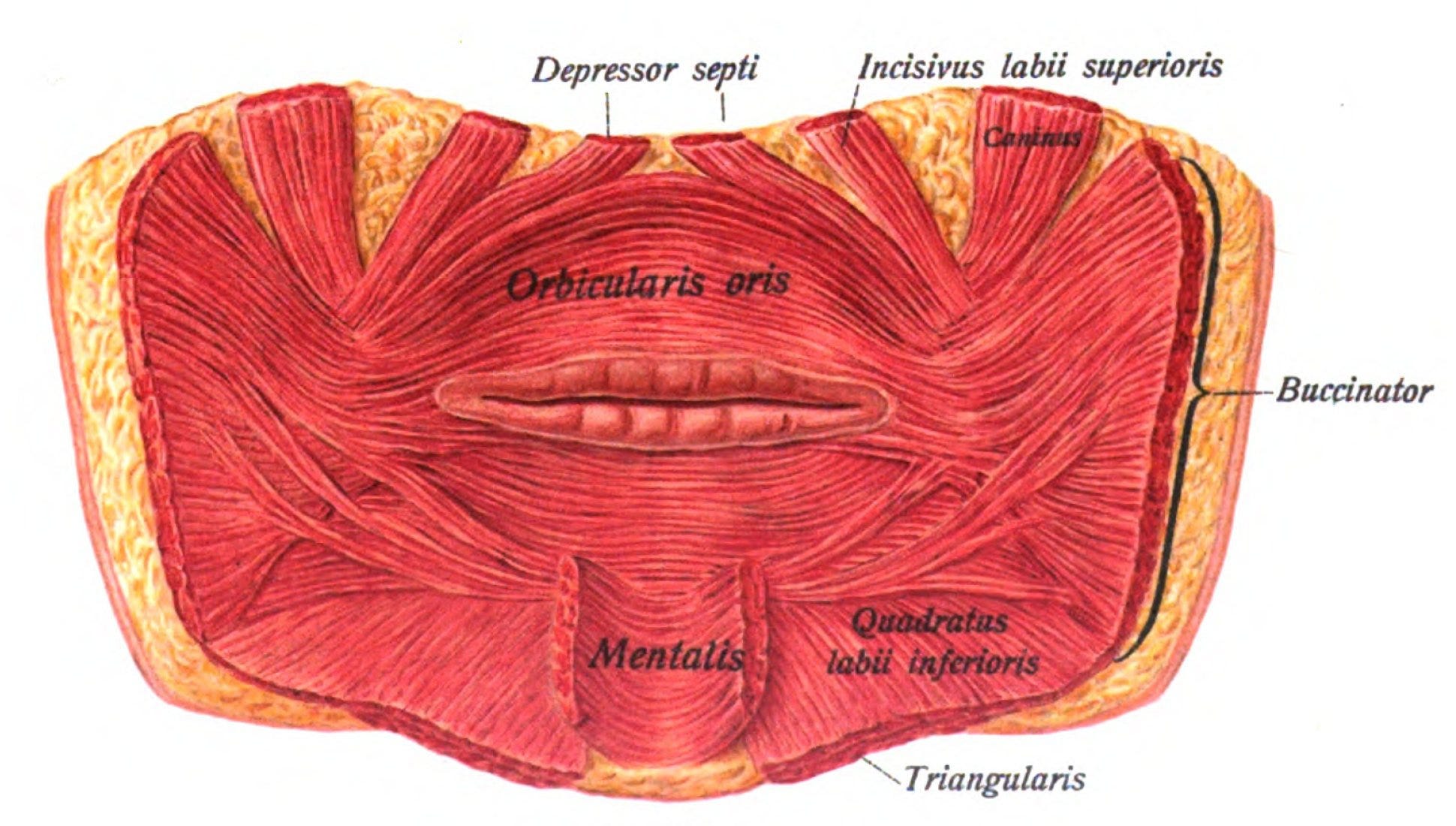
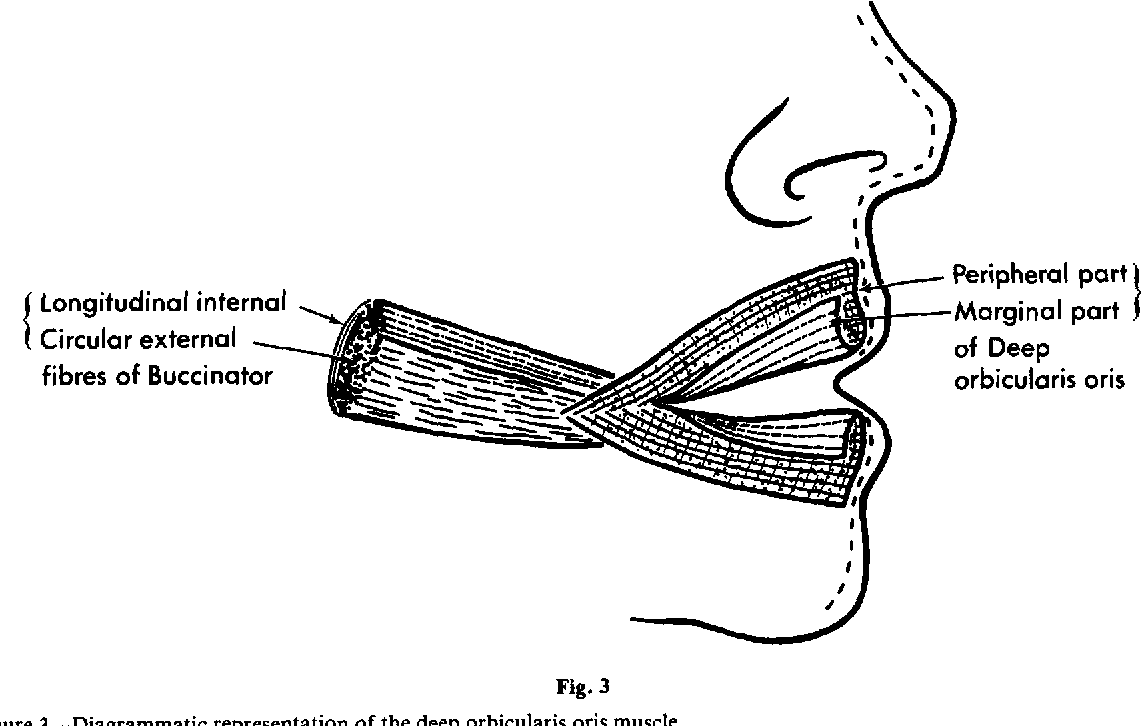
The orbicularis oris is another large sphincter muscle of the face, with several connections to other muscles. Its primary function is to close or seal the mouth though it can also pucker the lips. The orbicularis oris can be trained doing these two things: keeping the mouth sealed during breathing and puckering the lips.
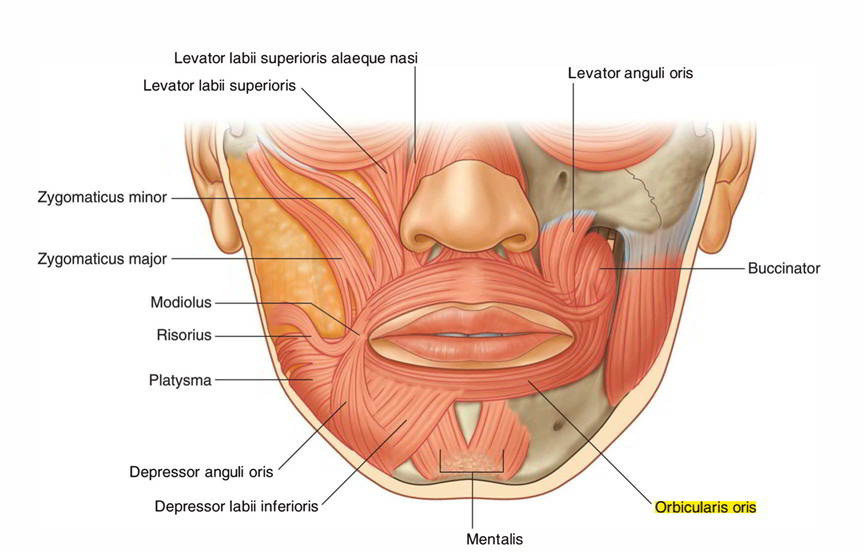
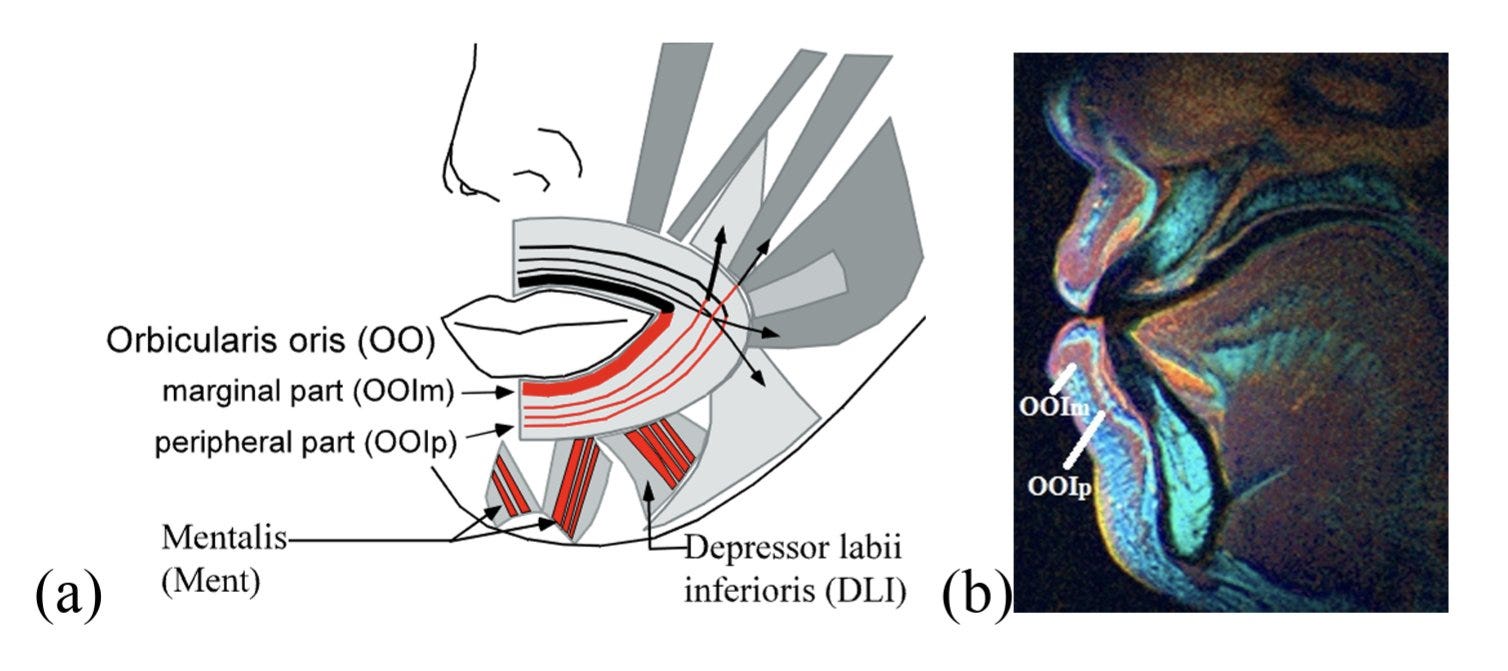
The first and most important exercise for the orbicularis oris is done while breathing. In order to breathe through your nose you must have a seal at the mouth. The lips should contract ever so gently as you inhale, forming a vacuum seal as air is taken in through the nose. This should encompass the entirety of the lips so take note of where you may hold unnecessary tension.

While the lips should contract it needs to be gentle and not forced or strained. Straining or tensing too much can be detrimental and is usually a sign that something is off. The same position/movement occurs during swallowing and you can be aware of it then too.

This is exactly what taping your mouth at night, to promote nasal breathing, is trying to accomplish. However this is more from the outside-in sealing the lips with tape and not necessarily activating the muscles as they should. Being mindful and training the lips can remove your need for mouth tape altogether, should you rely on it.
For those who are looking to strengthen their lips further or needing help activating them as you breathe, the more active exercises can be useful. These can improve the connection between the muscle and mind, allowing you to better activate them during breathing, or at least feeling them turn on as you do so.
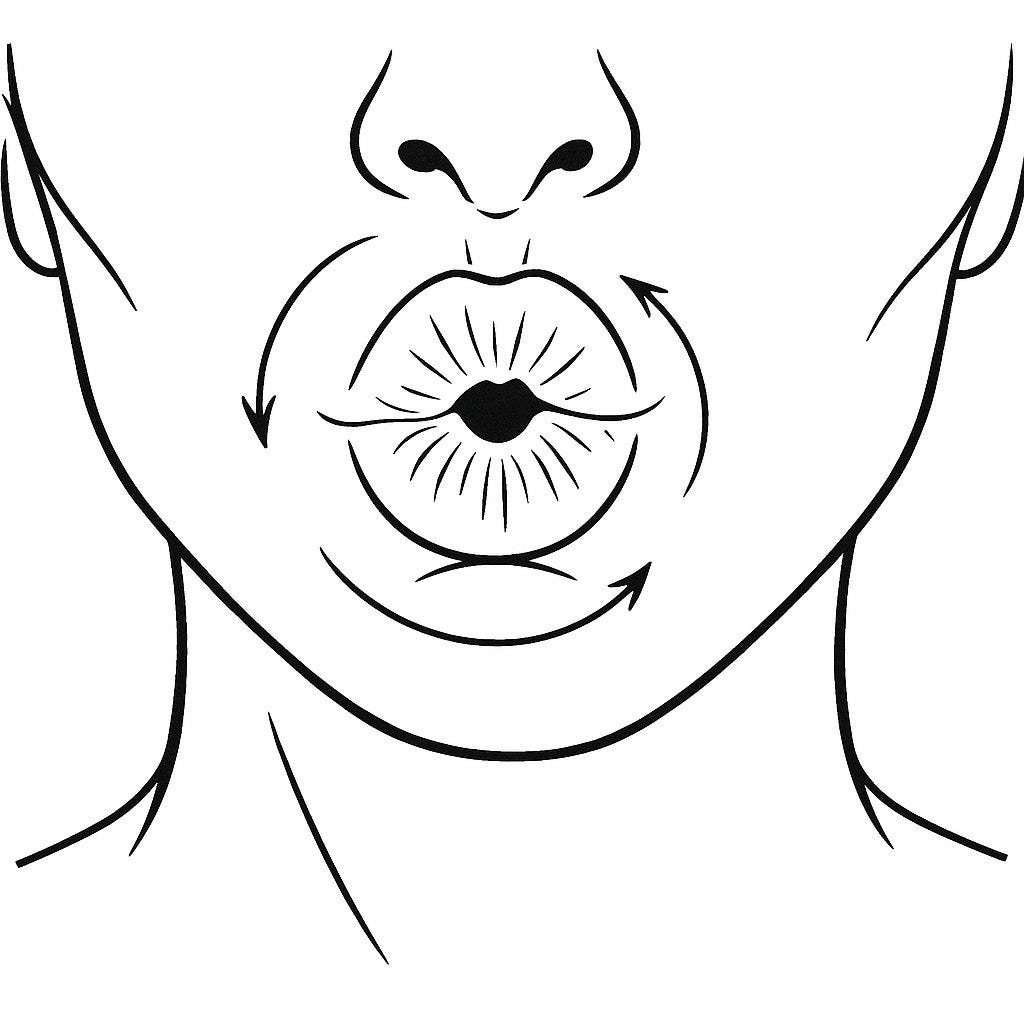
Puckering your lips is fairly simple, do so as if you are going in for a kiss. Feel the entire muscle on both upper and lower halves contract as you do so. Also feel the other muscles of the face respond as you do so. Take note of any asymmetries.
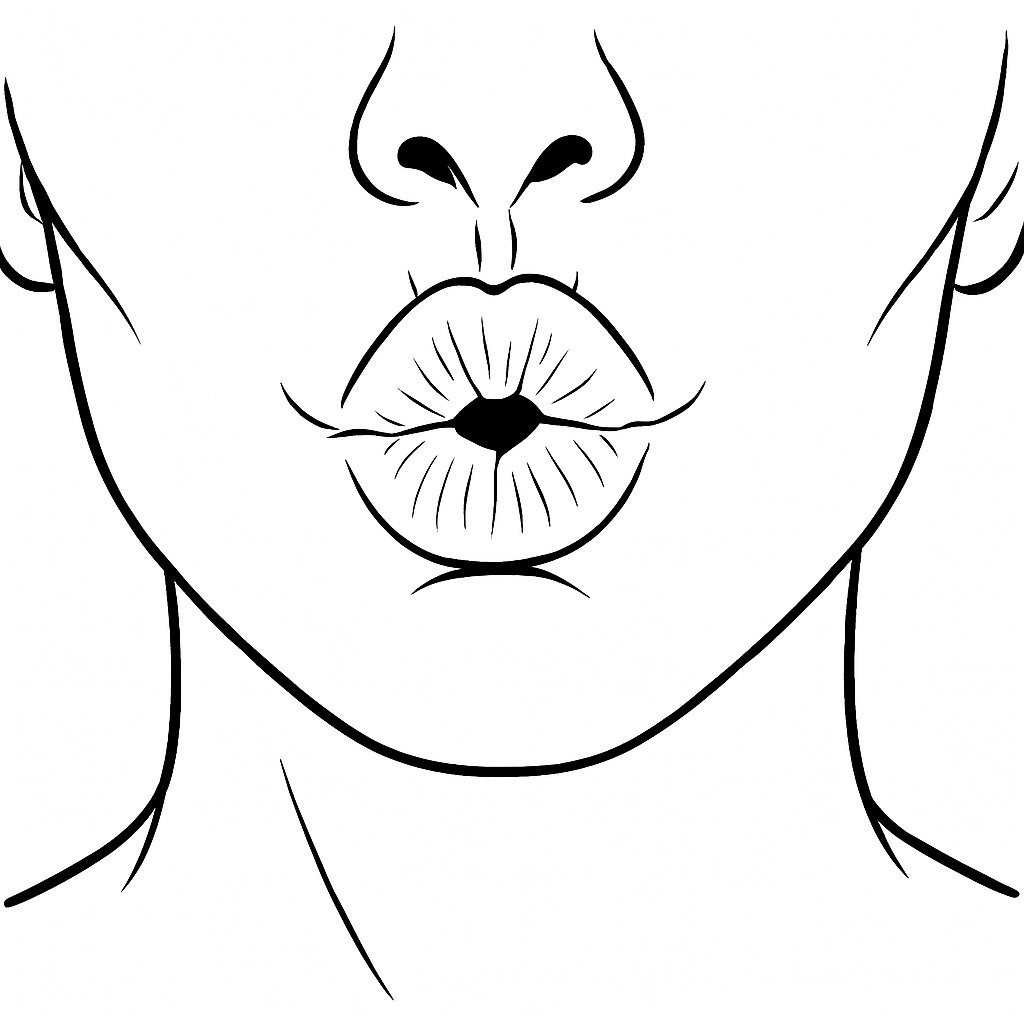
You can take this movement to the next level by “drawing” circles with your lips in this puckered position. Again feel the other muscles in your face activate as you go through the movement, especially the buccinator, zygomatic, and levator labii. Alternate directions every few repetitions and take note of what muscles seem to be resisting or tightening.
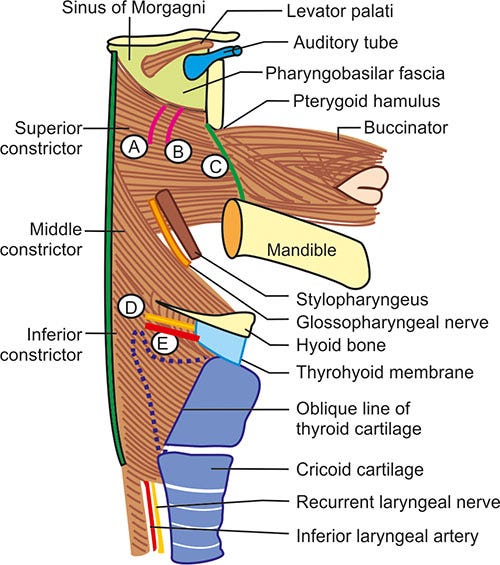
When performing these movements you should also feel the connections to the throat via the buccinator muscle. The orbicularis oris forms a functional unit with the buccinator and pharyngeal constrictors for both swallowing and respiration. As you breathe, pucker, and circle with the lips you may feel these other muscles activate as well. This also means that working the orbicularis oris can produce some fairly substantial changes in parts of the body that may seem somewhat unrelated.
Zygomaticus
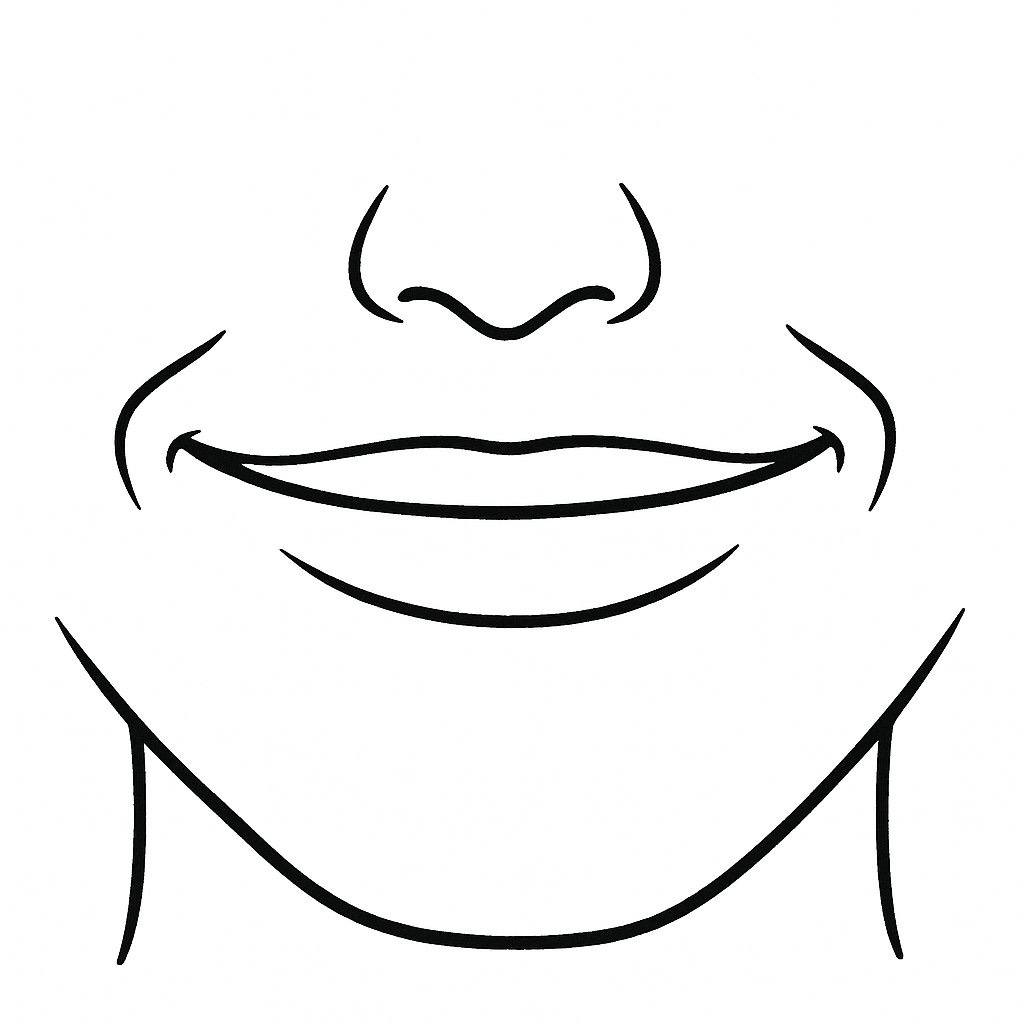
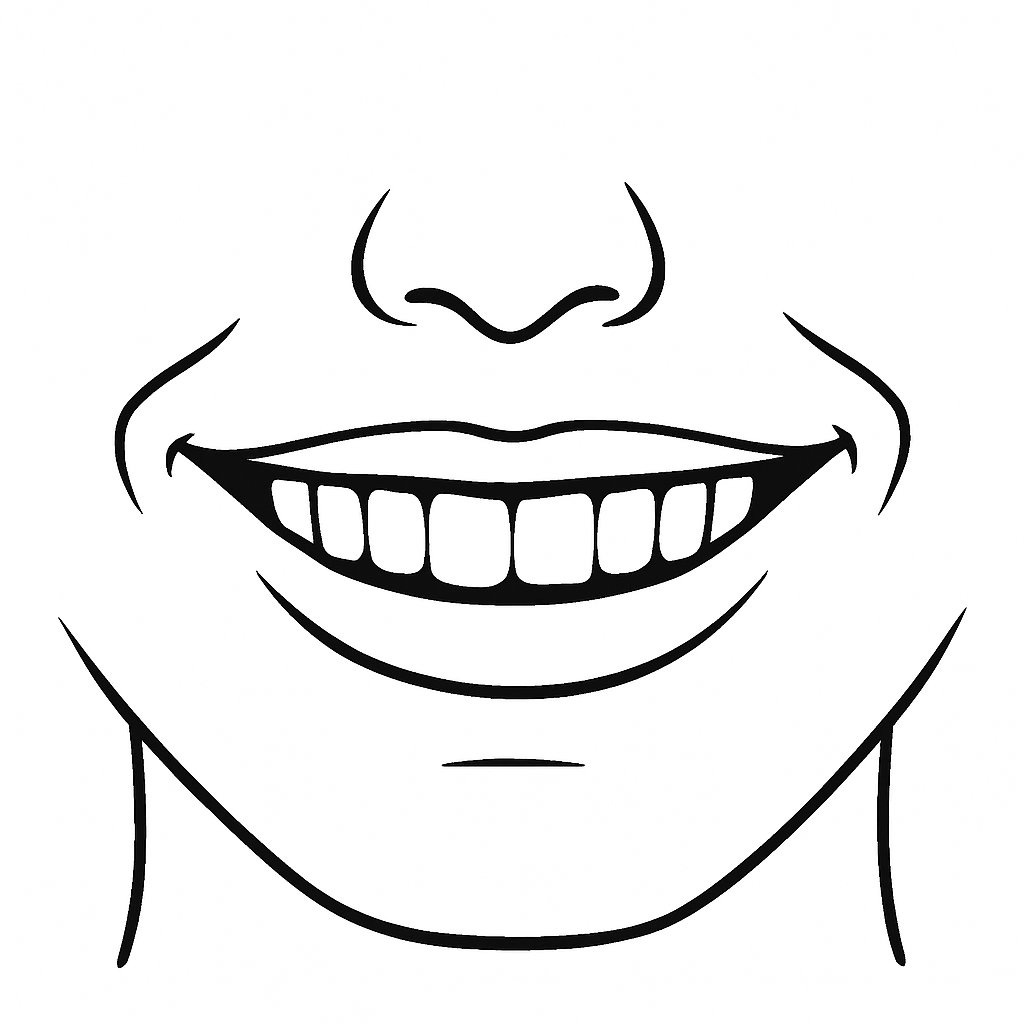
There are two zygomaticus muscles that run from the upper lip to the cheek bone (zygomatic bone), thus their name. The pair of muscles are used to smile, bringing the outer portion of the upper lip to the cheek bones. Activating and training them is as simple as smiling, something everyone could use more of.
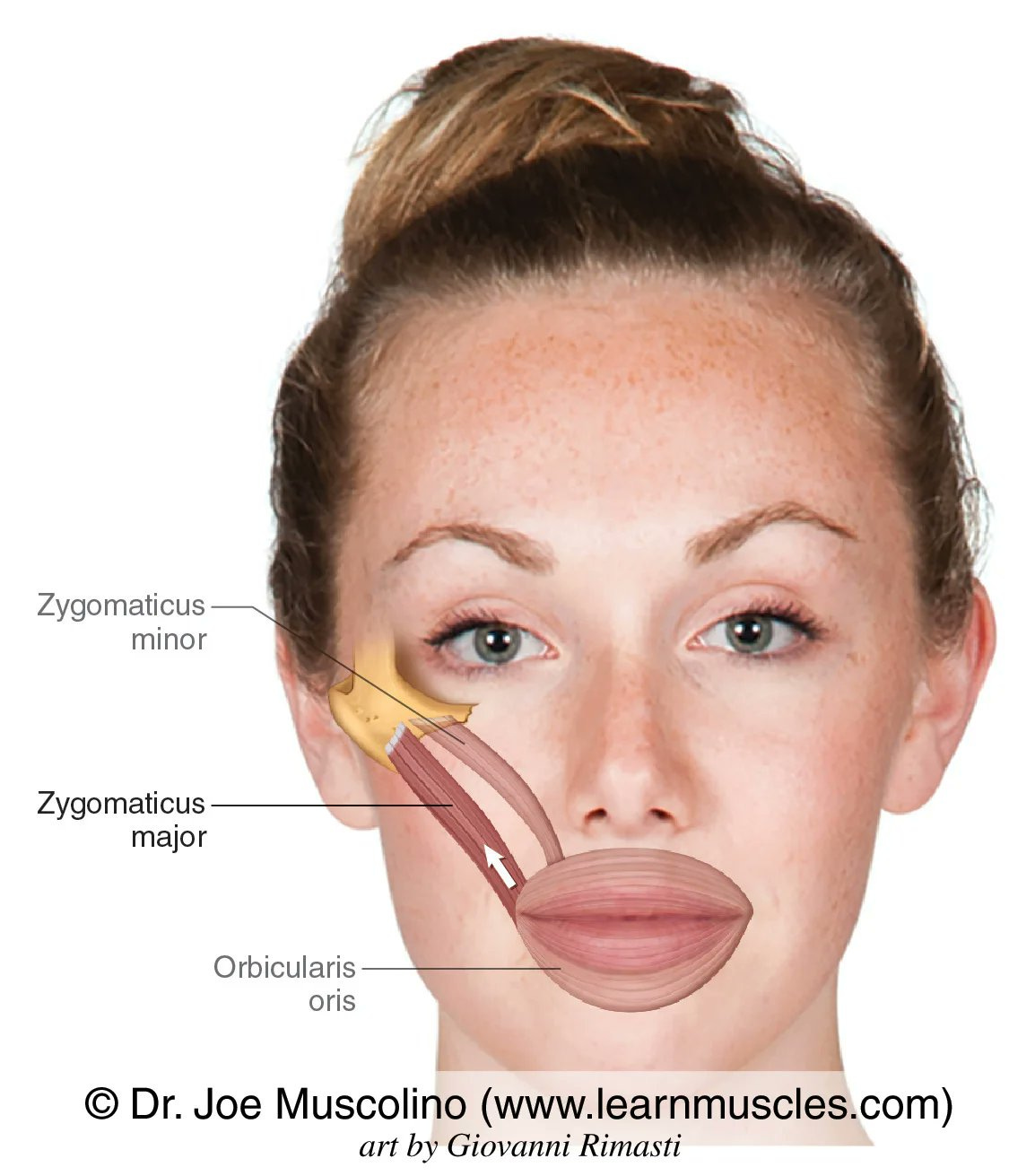
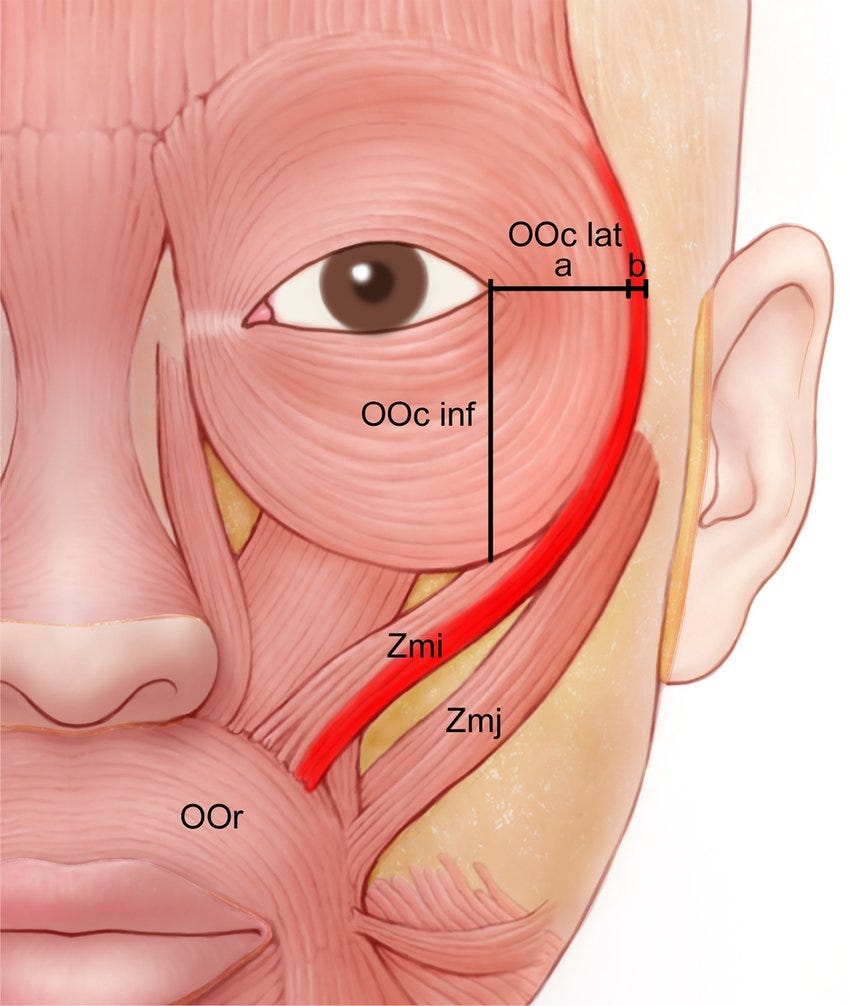
This can be done with and without showing your teeth. Place your hands on your cheek bones as you do so to feel their movement. The zygomaticus minor has fibers than flow into the orbicularis oculi. This is why a natural smile goes up to the eyes. As you smile, allow other muscles like those of the eye join in as they please.
Levator labii
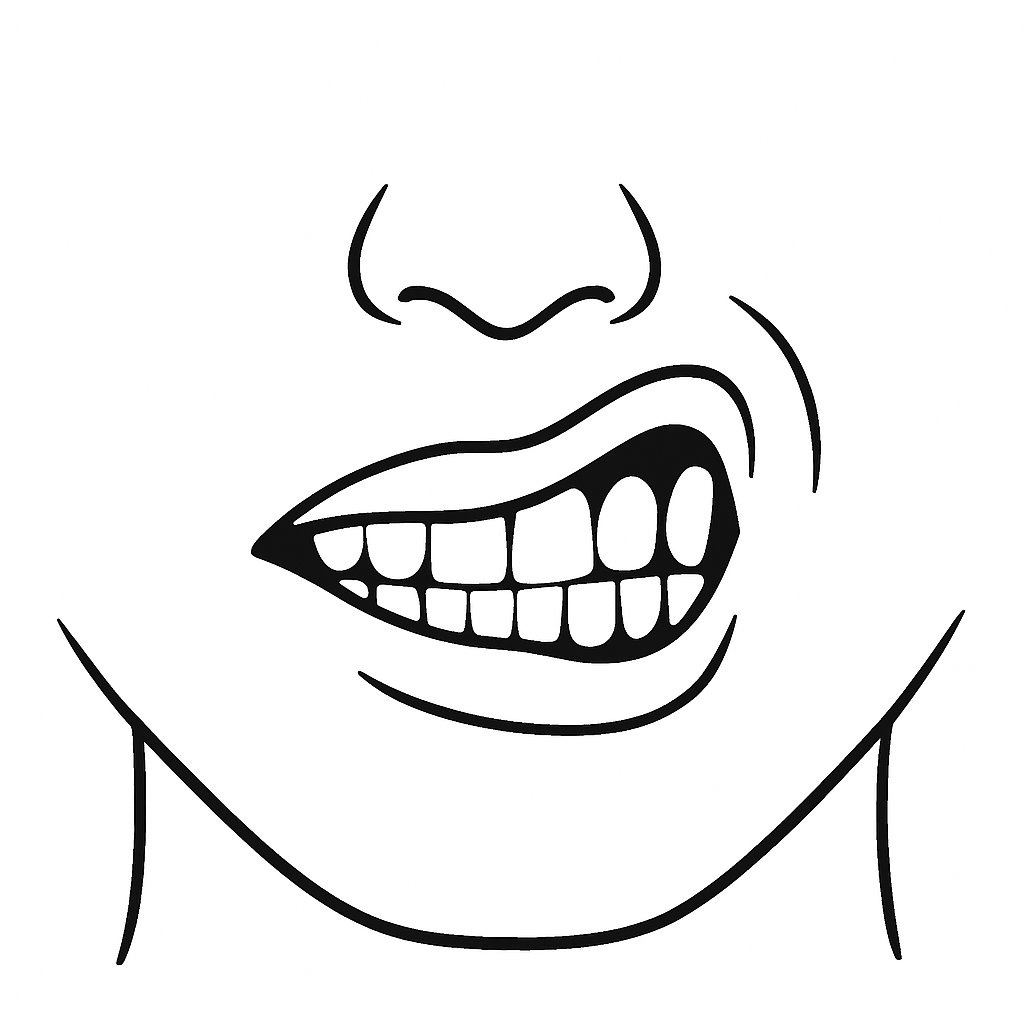
Medial to the zygomatic muscles are the levator labii muscles which, as their name suggests, elevate the upper lip toward the eye. These are used to snarl and/or show disgust. Since this is a relatively rare emotion they are seldom used by most people and are likely to be weak.
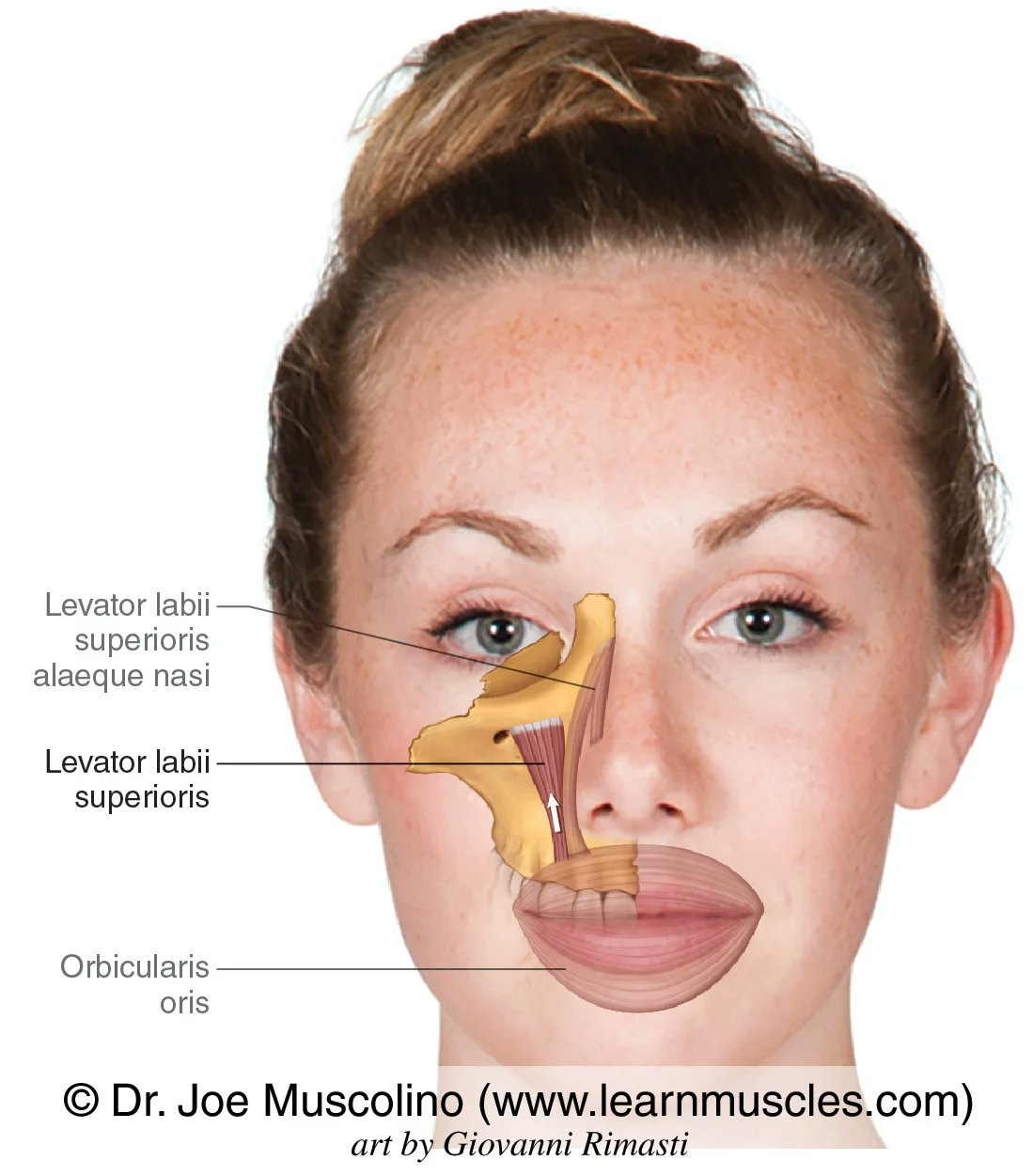
Snarling, on each side, can help activate these muscles, especially the levator labii alaeque nasi. Take this movement slow and try to feel the lip being pulled up to the lower eyelid. You may even start to contract your orbicularis oculi as you search for this movement, similar to the smile. Alternate sides after a few repetitions.
Auricularis
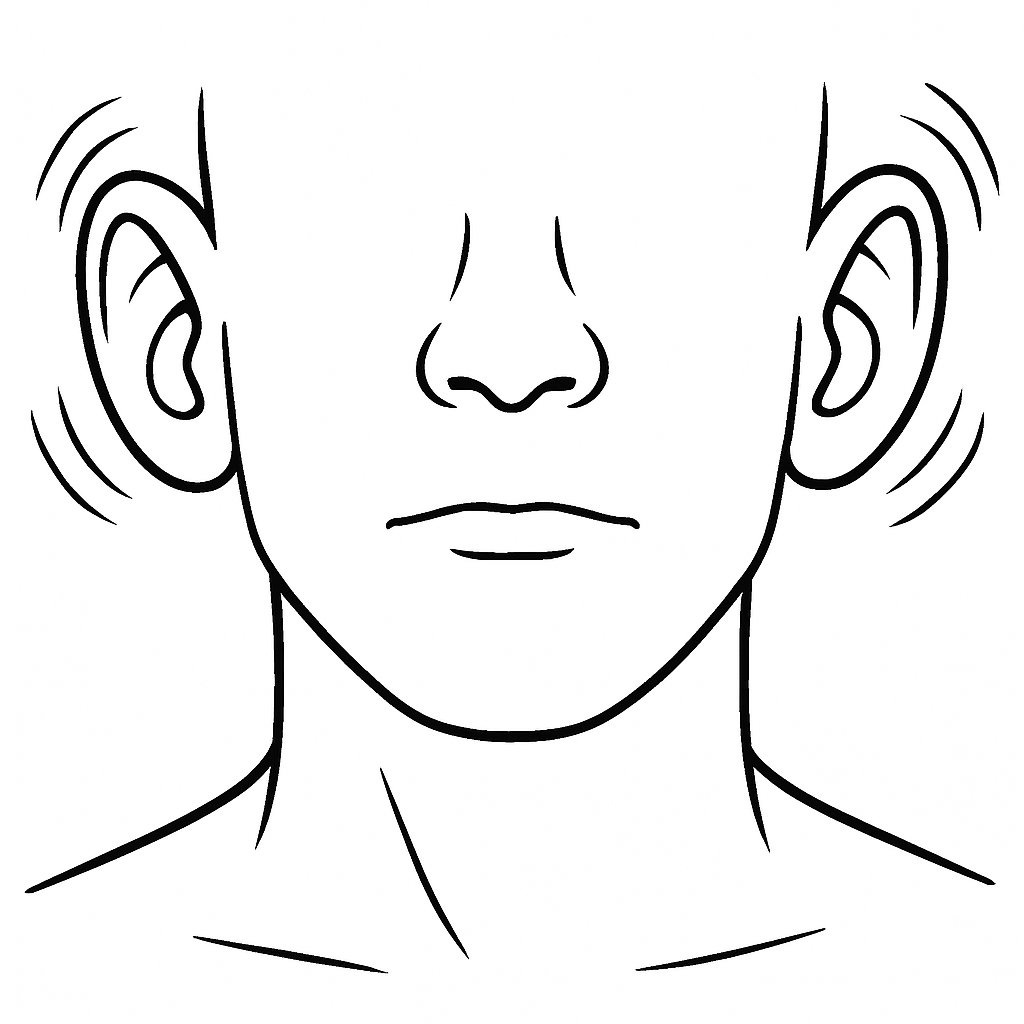
Being able to wiggle your ears has really been relegated to a party trick or a unique ability that only some people possess. However this isn’t the case as there are three different auricular (ear) muscles that are meant to generate this movement. As you can see these muscles are quite large and possess connections to fascia around the skull.
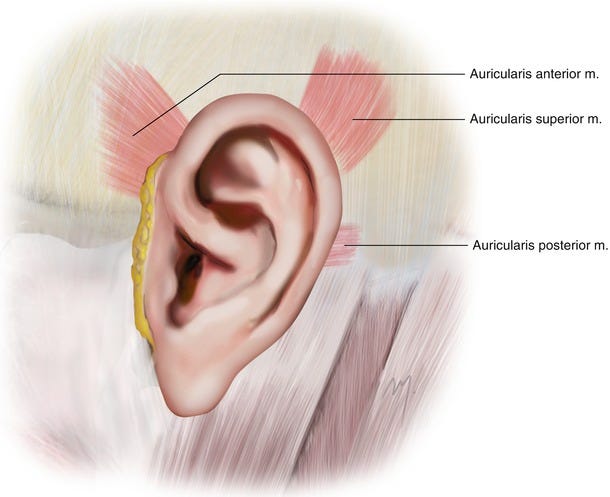
These three muscles can pull your ears forward, upward, and backward. You may not be able to train all of these directions but you can consciously attempt to wiggle your ears. This can wake these muscles when combined with the other facial muscle exercises. Yes it can take practice but you should be able to feel the ears move slightly.
Frontalis
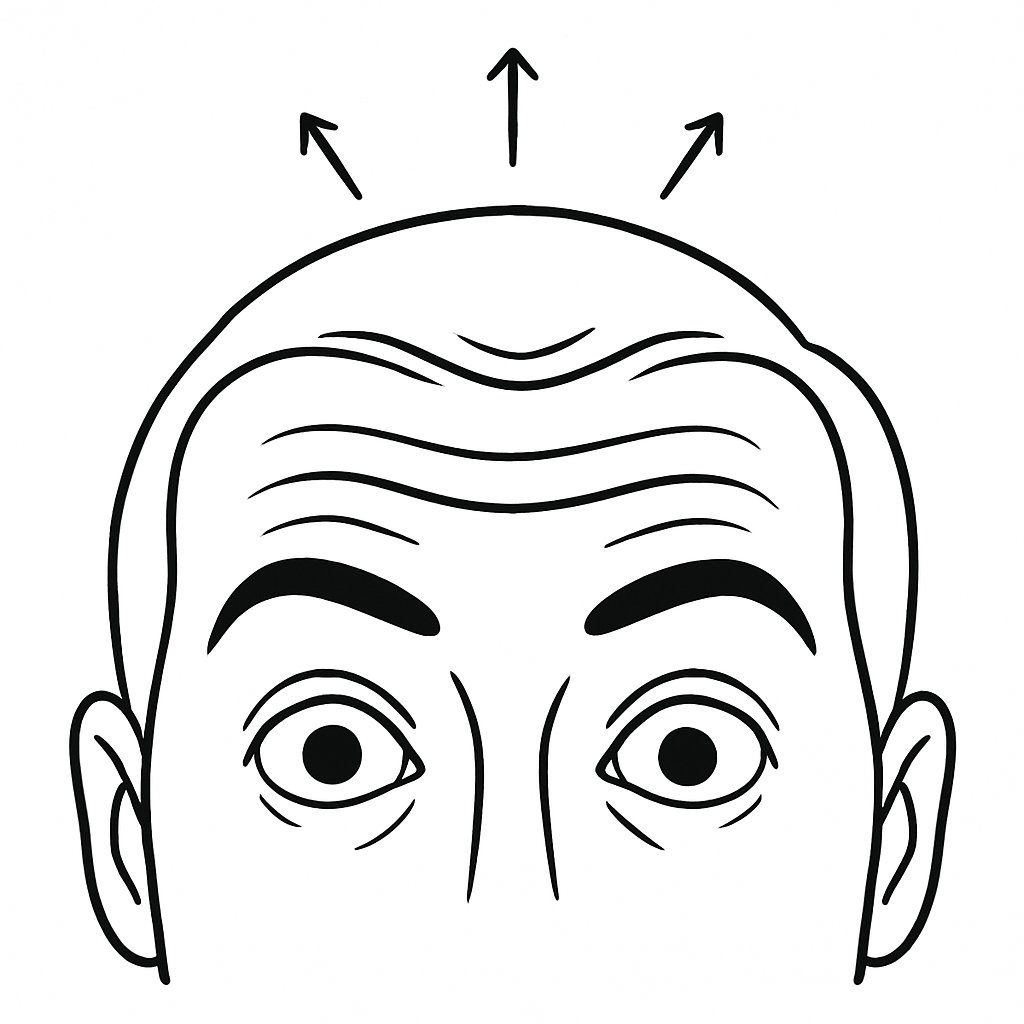
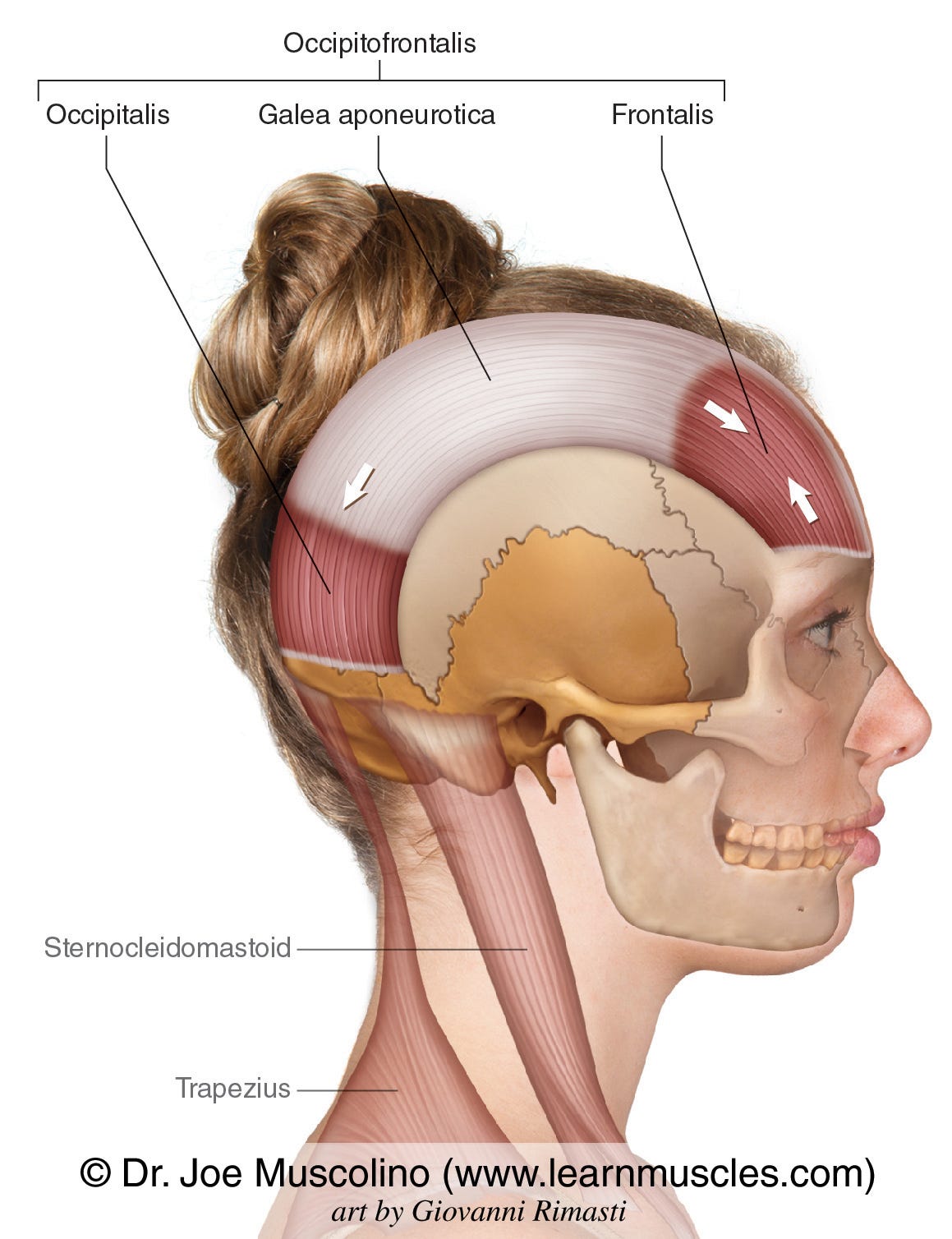
Covering the forehead is the frontalis muscle which elevates the eyebrows, such as when you’re trying to convey a sense of surprise. The frontalis connects directly to the galea aponeurotica, a sheet of connective tissue that wraps over the skull/scalp. On the other side of the galea is the occipitalis. These two muscles play tug-of-war on the galea, moving forward and backward atop the skull.
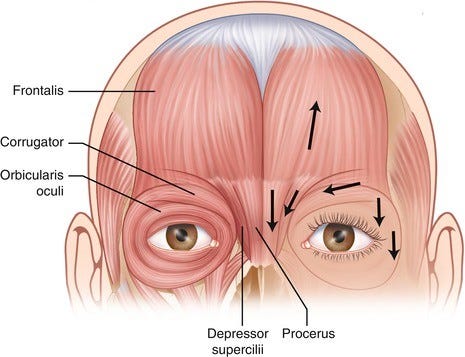
In order to train the frontalis muscle you simply lift your eyebrows up toward your hairline. As this happens you should feel the galea aponeurotica pulled forward. You can assist this motion with your hands, pulling your scalp forward as you raise your eyebrows. This can cause the galea to shift forward, potentially even relieving tension in the scalp.
Weakness or dysfunction in the frontalis/occipitalis muscles can contribute to elevated tension in the galea aponeurotica. While certainly not the sole contributor, this mechanical tension can drive adaptations like fibrosis which changes the environment of the scalp to become less conducive to hair growth. This is mainly through reducing the elasticity of the tissue, reducing blood flow, and overall reductions to local metabolism.
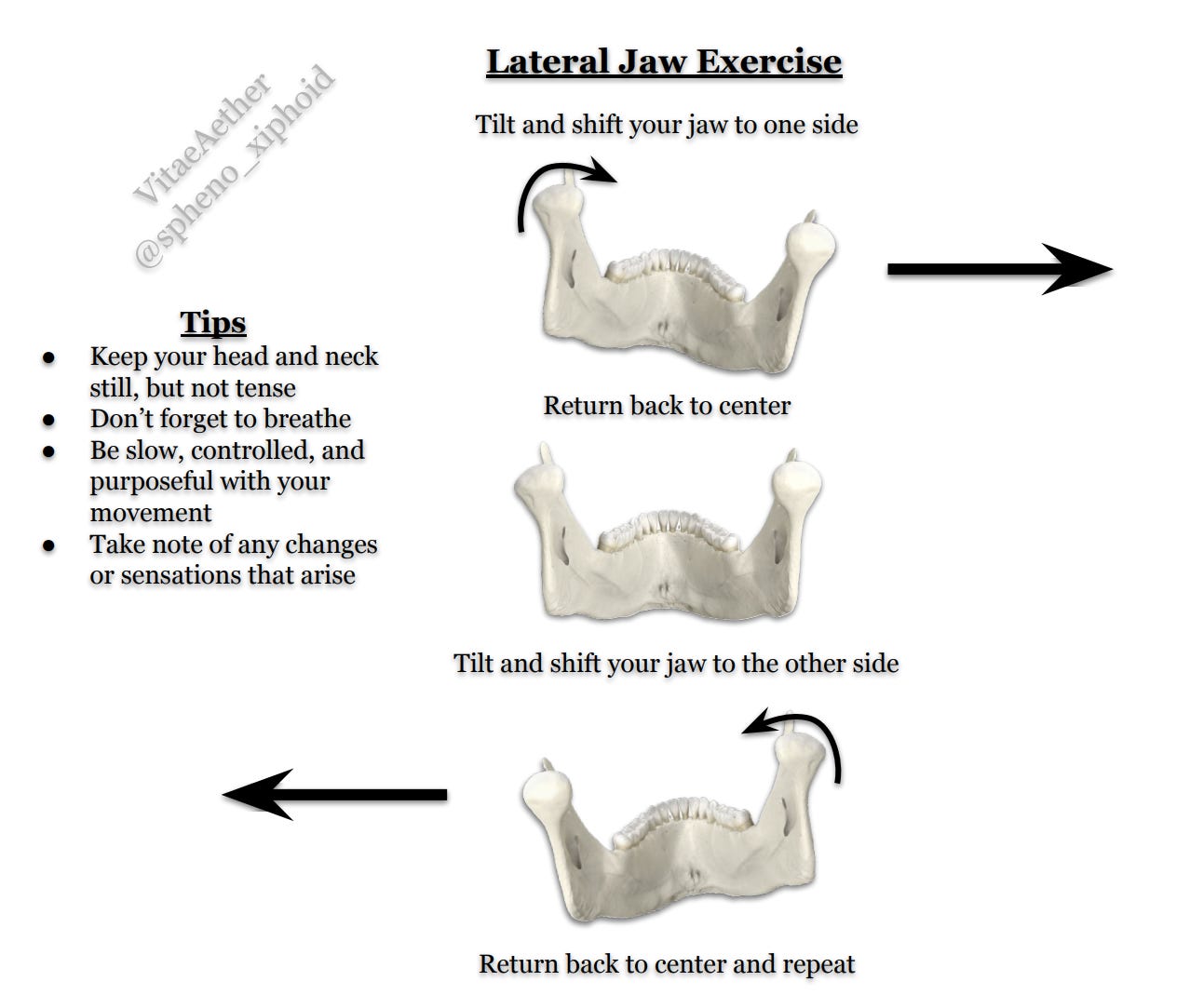
Lateral Eye, Tongue, and Jaw Movements
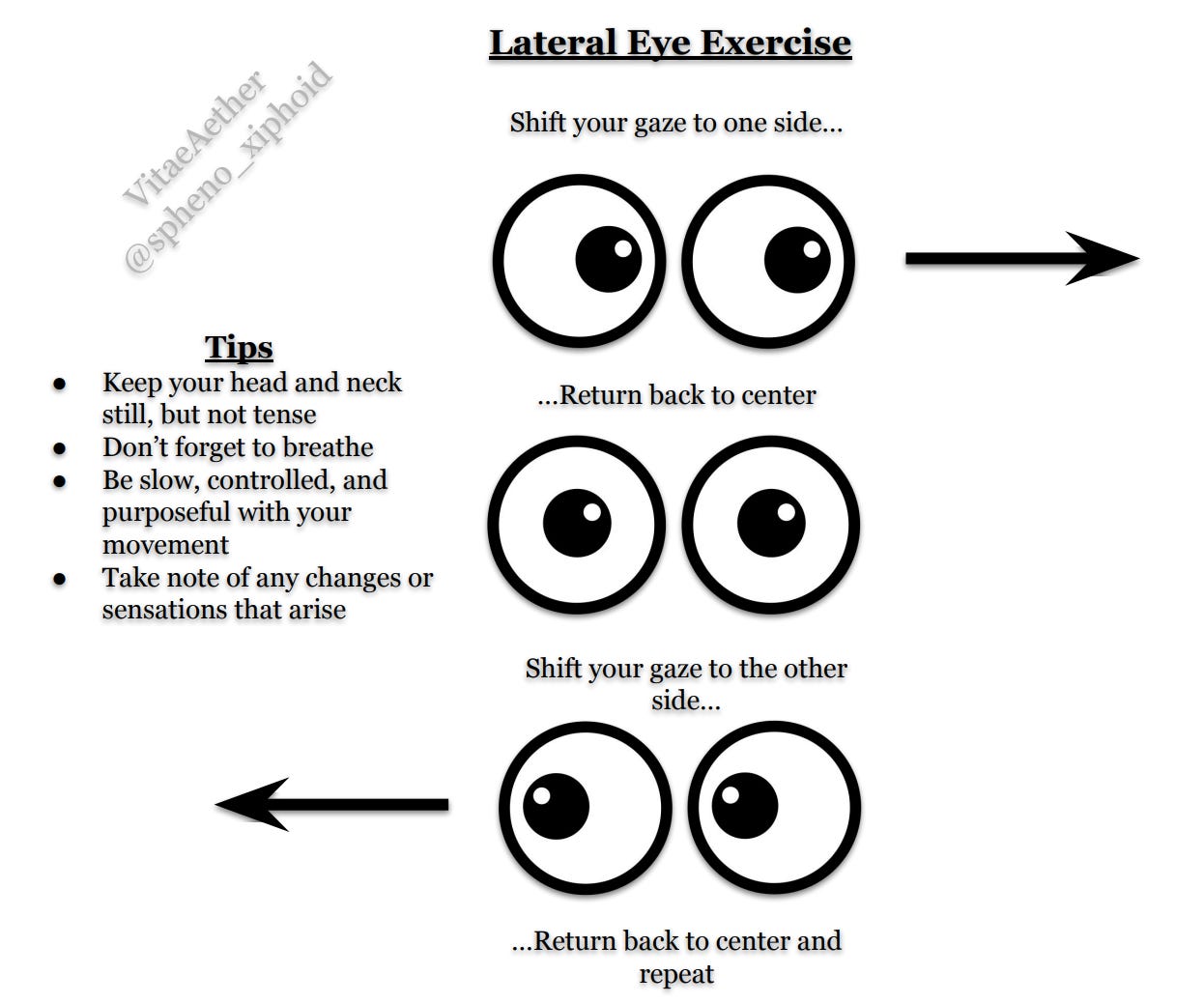
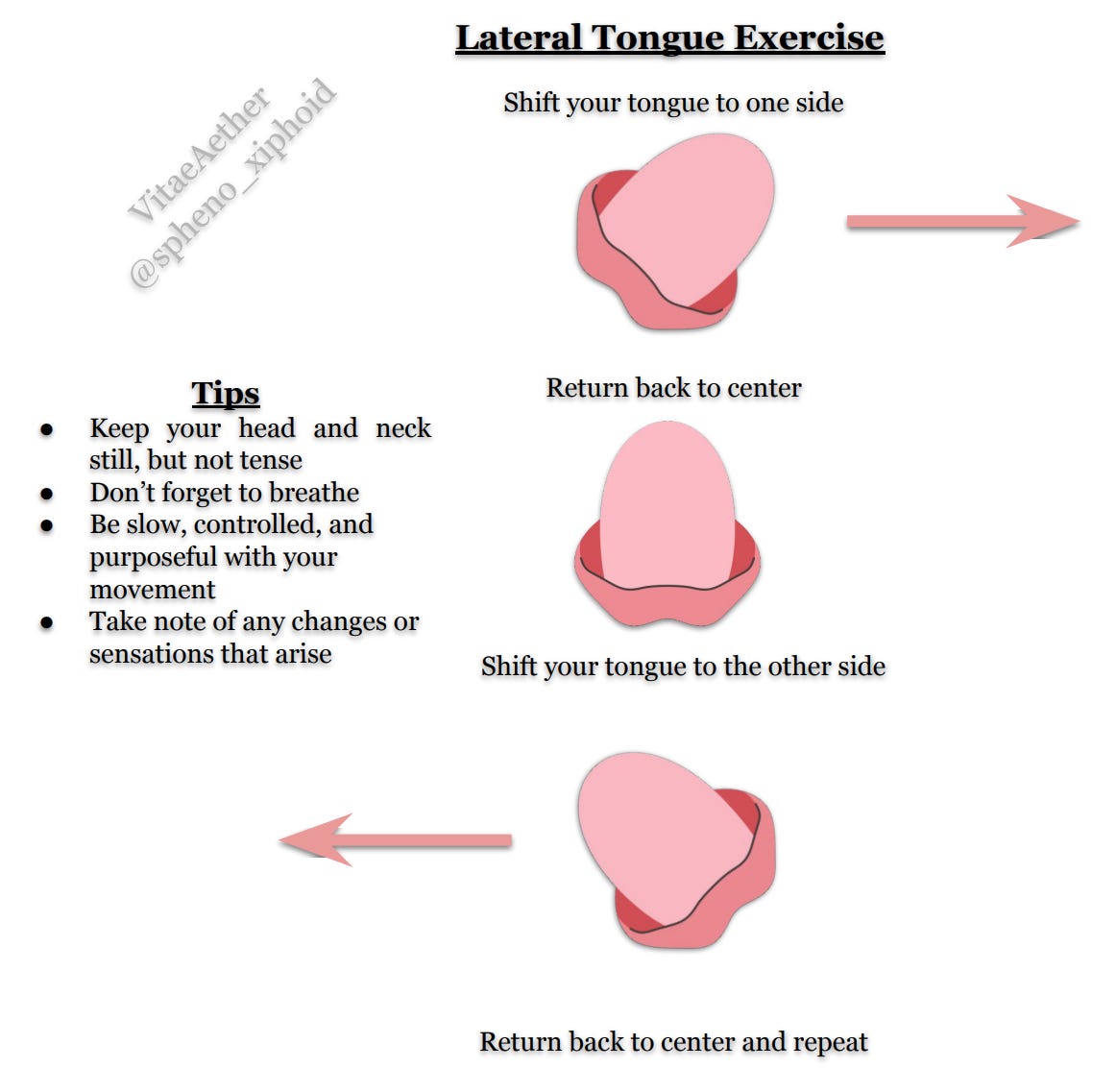
While not technically facial muscles, the downstream effects of eye, tongue, and jaw movements —which are connected to the vestibular system + muscles like the suboccipitals— can influence the subconscious tone of the facial muscles. This ties into the face’s larger role in proprioception and allows all of the systems to work together. You will be surprised how much training your eyes can affect how your facial muscles behave especially if there is any desynchronization between the different systems.
How the Eyes Shape Posture

Land-dwelling vertebrates are tasked with simultaneously propelling themselves while supporting against the constant force of gravity. This only became more of a challenge when humans started walking primarily on two legs --combined with the further growth of the cranium. At any given point in time, whether still or in motion, the spine and skull must w…
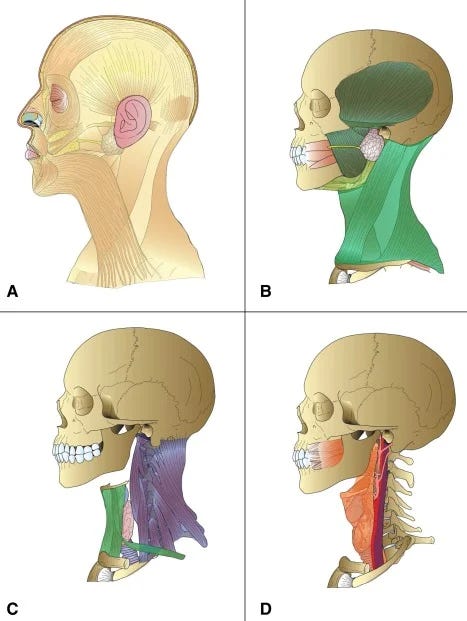
Neck Muscles
The muscles of the neck, including the trapezius, can also affect the face in many cases. They are large, share fascial connections, and possess related innervation in the case of the trapezius and sternocleidomastoid. Their role in movement, posture, and proprioception also play into the face itself.
You can read more about this in my trapezius article:
Conclusion
If you train the rest of your body then you should also train your face. No you may not necessarily need all of these exercises as even just one or two can have an effect on the entire face. You can pick the ones that feel the best for yourself and/or produce the most noticeable results. Use the exercises as a way to practice movements that you should be doing naturally throughout your life.
The end result should be a face that is seamlessly active with the rest of your body. The tissues should be relaxed, somewhat fluid, and capable of contraction when needed. This should tie into the organism as a whole improving movement, posture, ones state of being, as well as sociability and appearance. The muscles of your face are deserving of attention, give it to them.